Sometimes a leak does not look like a big deal at first.
You might notice a small stain on the ceiling. Maybe the floor near the dishwasher feels a little uneven. Maybe one room has a musty smell, but there is no puddle and no obvious sign of water.
So you wait.
That is where many water damage problems start. Water does not always stay where the leak happened. It can move behind drywall, under flooring, inside cabinets, around baseboards, and into insulation. By the time the damage is easy to see, the wet area may be much larger than expected.
Hidden water damage is common after plumbing leaks, roof leaks, appliance leaks, overflowing toilets, HVAC condensation issues, and basement moisture. The earlier you catch the warning signs, the easier it is to stop the damage from spreading.
Here are seven signs that a leak may have caused hidden water damage inside your home.
1. Stains on the Ceiling or Walls
Water stains are one of the most common signs of hidden moisture.
They often show up as yellow, brown, or gray marks on the ceiling or walls. Sometimes the stain looks like a faint ring. Other times it spreads into an uneven shadow that gets darker over time.
A ceiling stain does not always mean water is still dripping right now. It may be leftover moisture from a roof leak, an upstairs bathroom leak, a pipe problem, or even an HVAC condensation issue. Still, it should not be ignored.
One common mistake is painting over the stain too quickly. Paint may hide the mark, but it will not dry wet insulation, damp drywall, or the area behind the surface. If the stain comes back, gets larger, or feels soft when touched, the problem needs a closer look.
2. Bubbling, Peeling, or Cracking Paint
When drywall or plaster absorbs moisture, the surface often starts to change.
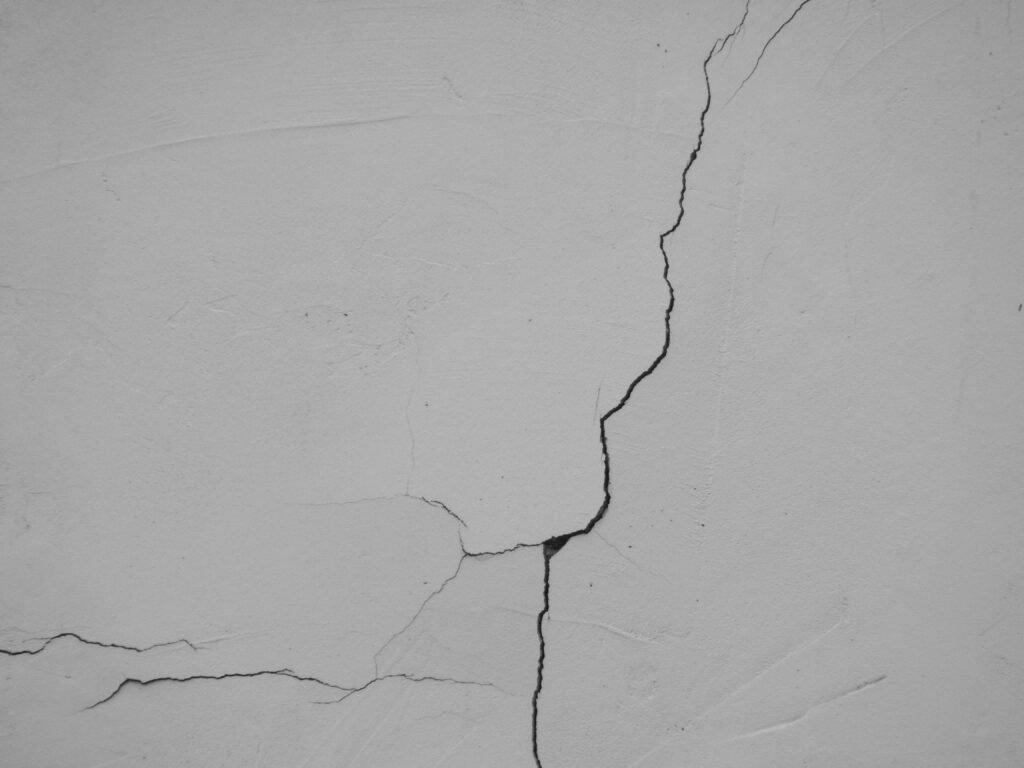
Paint may bubble, peel, crack, or wrinkle. Wallpaper may pull away at the seams. In bathrooms, laundry rooms, kitchens, and basements, this can happen slowly, so it is easy to miss at first.
Bubbling paint is often a sign that moisture is trapped behind the surface. The outside of the wall may feel dry, but the material underneath may still be damp.
This can happen near windows, under roof leak areas, around bathroom walls, behind appliances, or anywhere water has traveled inside a wall cavity. If the same spot keeps peeling even after repainting, there is probably a moisture problem behind it.
3. A Musty Smell That Does Not Go Away
A musty smell is one of the easiest warning signs to dismiss.
Many people smell the problem before they see it. It may be stronger in a basement, closet, bathroom, laundry room, or any space with poor airflow. Sometimes the odor is most noticeable after the house has been closed up for a while.
That smell can come from damp materials, trapped humidity, or early mold growth. It may also come from an old leak that was cleaned on the surface but never fully dried behind walls or under flooring.
Candles, sprays, and air fresheners may hide the smell for a short time, but they do not fix the moisture. If a room keeps smelling musty even after cleaning, opening windows, or running a fan, it is worth checking for hidden wet materials.
4. Soft Drywall, Sagging Ceilings, or Loose Trim
Water changes the way building materials feel.
Drywall may become soft, swollen, or crumbly. A ceiling may start to sag. Baseboards and trim may pull away from the wall. Door frames may shift slightly. Cabinets near a sink or dishwasher may feel warped or spongy at the bottom.
These signs usually mean water has been sitting in the material long enough to weaken it.
A sagging ceiling deserves special attention. If water has collected above the ceiling, the material can become heavy and unstable. Do not poke or press on a sagging area, especially after a roof leak or an upstairs plumbing leak.
Soft or swollen materials are not just cosmetic issues. They may point to hidden moisture, damaged insulation, or materials that need drying or replacement.
5. Warped or Uneven Flooring
Floors can reveal a water problem even when the leak itself is not obvious.
Hardwood may cup, buckle, or separate. Laminate may lift at the seams. Vinyl may loosen. Tile may crack if the subfloor underneath has absorbed moisture. Carpet may feel damp, smell musty, or show dark areas near the walls.
Water under flooring can be tricky because the top layer may dry faster than the material below it. You may wipe up the visible water and think the problem is solved, while moisture remains trapped underneath.
This often happens after appliance leaks, toilet overflows, water heater leaks, and basement seepage. It can also happen near exterior walls, sliding doors, or entryways where rainwater finds a way inside.
If flooring changes shape after a leak, check the area before replacing only the visible surface.
6. Mold Spots or Dark Marks Near the Wet Area
Small dark spots near a damp area can be a warning sign.
Mold can appear on drywall, wood, grout, caulk, baseboards, carpet, insulation, or even the back of furniture placed against a wet wall. It may look black, green, gray, or brown. Sometimes it appears as small dots. Other times it looks more like a stain.
Not every dark mark is mold. But visible growth near a known leak should be taken seriously.
Moisture is what mold needs. Areas with poor airflow, such as basements, closets, bathrooms, and wall cavities, are especially vulnerable.
Be careful about disturbing materials with visible mold, especially if the affected area is more than a small surface spot. Wiping the outside may not be enough if the wall, floor, or insulation behind it is still wet.
7. A Higher Water Bill or the Sound of Running Water
Sometimes the first clue is not something you can see.
A higher-than-normal water bill may point to a hidden plumbing leak. So can the sound of running water when all fixtures are turned off.
Leaky toilets, supply lines, pipes behind walls, irrigation lines, and water heaters can all leak without creating an obvious puddle right away. A slow leak may not look dramatic, but if it continues for days or weeks, it can soak cabinets, flooring, drywall, or framing.
Leaks under a sink are easy to miss, as there are usually cabinet doors hiding the damage, and by the time someone notices it, the wood may have been damp for days or even weeks.
If the water meter moves when no water is being used, that is worth investigating. The same goes for unexplained dampness under a sink, moisture near a fixture, or one room that always feels more humid than the others.
What to Do After You Notice These Signs
The first step is to stop the source of the water if it is safe to do so. That may mean shutting off the water to a fixture, turning off the main water valve, calling a plumber, or getting a roofer to repair the leak.
Next, take photos and videos of the damage. This can help if you need to file an insurance claim later.
Try not to rush into cosmetic repairs. Repainting a stain, replacing trim, or putting new flooring over damp material can trap moisture and make the problem worse.
If the leak affected walls, flooring, cabinets, or insulation, homeowners may want to learn more about water damage restoration in Denver before making cosmetic repairs.
It is also smart to keep air moving when appropriate, remove wet items from the area, and avoid using a regular household vacuum on water. If the water may be contaminated, such as from a toilet overflow, drain backup, or sewage backup, treat the area with extra caution.
When a Small Leak Becomes a Bigger Problem
Not every leak leads to major damage. A small amount of clean water on a hard surface may be easy to dry if it is caught quickly.
The bigger concern is water that reaches absorbent materials or hidden spaces. Drywall, insulation, wood, carpet padding, cabinets, and subflooring can hold moisture. Once water gets into these materials, it may not dry properly on its own.
Pay close attention if:
- The leak started upstairs and water appeared below.
- A ceiling or wall feels soft.
- There is a musty smell.
- The area stayed wet for more than a short time.
- Water reached carpet, padding, insulation, or cabinets.
- The water came from a toilet, drain, sewer line, or floodwater.
In those situations, the visible water may only be part of the problem.
Final Thoughts
Hidden water damage is frustrating because it does not always announce itself with a big puddle.
Sometimes the signs are smaller: a stain, a smell, a soft spot, or a floorboard that looks slightly off.
The best thing you can do is take those early clues seriously. Find the source of the water, document what you see, and make sure wet materials are actually dry before making cosmetic repairs.
Catching the problem early can save a lot of money and stress later.
Also Read: Guide to Basement Waterproofing