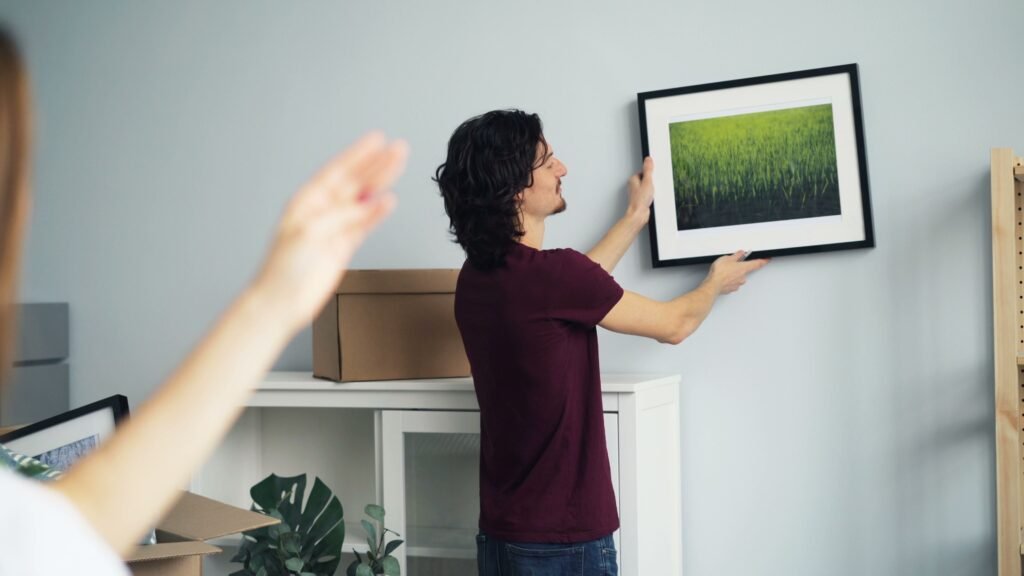
Moving has always been a stressful proposition, but many of us do it at some point. You may have purchased a new house closer to your work. You may be shifting to another city or trying to be nearer to your extended family. Regardless of the reason, moving can be hard to avoid.
However, it doesn’t mean you must prepare to part with items that mean something to you. No matter how unwieldy, heavy, or unsuitable for travel they may be.
You may have a vintage wine cabinet or a hot tub, an ancient sculpture you found during an archeological expedition, or a lighting fixture that makes your living room stand out. Everything can shift with the right professionals and the optimal technique.
The true test comes when it is time to unpack and (re)set everything up again. Being careless or rushed during this phase can cause significant damage, both financial and sentimental.
1. Use Safe Techniques Only for Unpacking
The first step is to gather supplies for unpacking and proceed with utmost caution. This means using:
- Clean, sharp scissors for cutting
- Unpacking in a stable workspace that is free of other objects
This is important, if seemingly elementary, because the rush to see your beloved piano in your new home can be overwhelming. Ditto for the sculpture you ordered from overseas or were gifted for a special occasion.
More’s the reason to worry if you are the type of person who loves unboxing videos on social media. The BBC reports that watching something getting unpacked may give some people a dopamine rush.
The sound of tissue paper or crinkly wrapping may activate mirror neurons, causing you to feel as excited as the content creator. In the process, you don’t want to unpack in a hurry and damage the objects.
2. Run a Close Item-by-Item Inspection
After you complete unpacking, the next step is to examine each item thoroughly. The goal is to look for any telltale signs of damage, such as cracks and chips.
This is vital, even if you have taken great care during the move. Particularly so for specialty items such as a marble table or fragile artwork. A single loose component or a minor dent could damage the item forever and diminish its resale value.
An inspection is also necessary if the move involves logistical constraints, such as limited parking or blocked access to the loading dock. Some regions in the US may deviate more from “routine,” such as McCarthy, Alaska, with its remote, wintry wilderness.
Even more classically urban areas, such as McLean, Virginia, may pose problems like limited parking or elevator reservations. This is actually why McLean VA movers ask clients to mention these details during the estimate.
Check for:
- Visible signs of damage, such as discoloration and water marks
- Missing parts of key pieces, like an art arrangement
- Loose parts that may chip away or get lost
Of course, the best way to avoid disappointment at this step is to prioritize safe packing and transit from the get-go. As 495 Movers notes, specialty items usually require additional equipment and padding. You may also need a different loading plan.
3. Seek Help With Assembly and Placement
Some of the unpacked items may require professional assembly and installation. DIY techniques may not be ideal for items with delicate parts. Many homeowners seek professional assistance for items like antique furniture or a heavy chandelier. This will cover:
- Cleaning the items of residue from packing and moving
- Assembly and installation per the manufacturer’s instructions
As you start arranging the items in your new space, you should consider the character and overall vibe. These may differ sharply from your old living space.
If you’re invested in “main character decor,” you may be particular about details, such as artwork that resonates with your personality. You cannot just replicate old placements without ensuring they sync with your vibe.
Accordingly, some people choose to take time for thought and consultation before arranging their beloved objects around the house. During this time, choose stable surfaces to keep the items. The space should be away from direct sunlight and moisture. Preferably, avoid keeping them in high-traffic areas to prevent dust and dirt accumulation.
4. Conduct Damage Control
What if you spot damaged items during unpacking and arranging? Sometimes, more serious structural damage may not be visible. It may appear at a later stage, when the items undergo further movement and handling. Damage control is essential to deal with this.
Many well-trusted movers have a defined window during which customers can file complaints related to damage. A team may visit to perform a verification before initiating the compensation process.
You should also activate insurance channels, provided you have relevant policies. This will help you minimize your losses if a precious or inimitable item, such as an expensive original artwork, gets damaged.
Luxembourg Times explains that many people take out insurance policies for valuable items that standard coverage may not protect. These could be an expensive watch collection or a limited edition chessboard. Photographs and framed artwork can be daunting to deal with.
“Photographs are exceedingly difficult to repair. Once the homogenous surface has been disturbed, the damage is extremely difficult to camouflage, leading to a noticeable decline in aesthetic value.” – Albert Albano, Former Executive Director, Intermuseum Conservation Association.
At this time, you must:
- Compare the item with the before-the-move photos
- Document the damage through pictures and videos
- Reach out to customer support through an alternative channel, such as email, if you don’t get a timely response through chat or phone. This will ensure that your concern gets raised within the required window.
FAQs
How can I lower the risk of damaging delicate items during unpacking?
Try to work in a well-lit, clutter-free area. Use scissors or a utility knife while unpacking one item at a time. It is also a good idea to inspect each piece carefully for any signs of damage.
How soon should I unpack delicate items after a move?
It’s best to unpack delicate items as soon as possible after you arrive at your new home. Unpacking quickly allows you to inspect the items for damage. During this time, your moving company’s claims period will still be active. If you can’t unpack immediately, try to store the boxes in a clean, temperature-controlled area.
Should I keep the original packing materials after I have finished unpacking?
Yes, you can consider keeping the boxes and other materials, such as padding and wrapping. You must do this until you have confirmed that each item is in good condition. You may need packing materials if you file a damage claim.
Post-Move Delicate Items Checklist
- Unpacked safely
- Inspected for damage
- Tested (electronics)
- Positioned safely
- Reassembled correctly
- Documented if damaged
- Contacted movers if necessary
Creating Less Stressful Moving Experiences
We put in substantial effort to transform a house, making it our very own through effort and personalization. Moving to a new place can be emotionally and physically overwhelming, especially when you have specialty items that may get damaged during transit. The steps we have outlined should help make moving (and moving in) with your valuables less stressful.
The answer to simplifying a move is not necessarily in collecting fewer items. It is in extending the care these items deserve through various stages of their lives.