Key Takeaways
- Most national guides group total foundation repair costs between about $2,200 and $8,600, with averages around $5,000, yet real bids tied to a specific property often land outside that window.
- Crack sealing and injection, drainage and waterproofing, wall stabilization, slab lifting, and underpinning address different problems, so their pricing follows different patterns.
- Severity of damage, foundation type, soil and groundwater behavior, access limits, repair scope, engineering, permits, and local labor rates all push the final number up or down.
- A diagnosis-first approach and itemized, comparable proposals provide better value than choosing a provider on the lowest headline price alone.
How Much Does Foundation Repair Cost?
What Published National Averages Can and Cannot Tell You
For a 2026 budget, widely shared national figures set rough expectations but cannot replace a site visit and a written scope. Recent cost guides commonly show total project costs in a band of about $2,200 to $8,600, with many averages clustering near $5,000 to $5,400. Treat those amounts as rounded benchmarks built from mixed regions, project types, and reporting methods as of 2026.
Those averages fold in apples and oranges. A simple crack injection, a short interior drain, a bowing-wall reinforcement, a slab lift, and an underpinning plan for settlement are entirely different efforts. Even the same house can demand different solutions in different soils or climates. Use averages to understand that some jobs land in the low thousands and others climb well beyond, but do not expect them to forecast your total without linking price to problem type, foundation design, site conditions, and the precise tasks proposed.
Regional conditions add another layer. Certain areas carry higher labor costs, tougher access, or soils that call for more intensive work. You may see regional guides or contractor reports that sit above national means. That does not make the national sample wrong; it simply shows a broad snapshot that cannot promise results at a specific address.
Why Online Foundation Repair Prices Differ So Much
Online guides diverge because their inputs differ. Some rely on homeowner surveys, others on project databases or contractor interviews. The blend of work in those samples matters a great deal. A dataset heavy on crack injections skews low; one with more underpinning trends higher. Update timing, inflation adjustments, and whether the totals include engineering, permits, drainage, and restoration also move the headline figure.
Scope decisions drive variation as well. Two bids aimed at the same symptom may pursue different outcomes. One might stabilize without attempting lift. Another might plan a lift, add exterior drainage, and restore finishes. The first typically costs less up front. The second may better address water and soil drivers that contributed to movement. Neither total is universally right; each reflects a distinct scope and risk posture.
Use national ranges as a map, not a destination. Then anchor decisions in a clear diagnosis and an itemized local proposal that ties methods and quantities to the issues observed at your home.
Foundation Repair Cost by Repair Type
Foundation Crack Repair and Injection
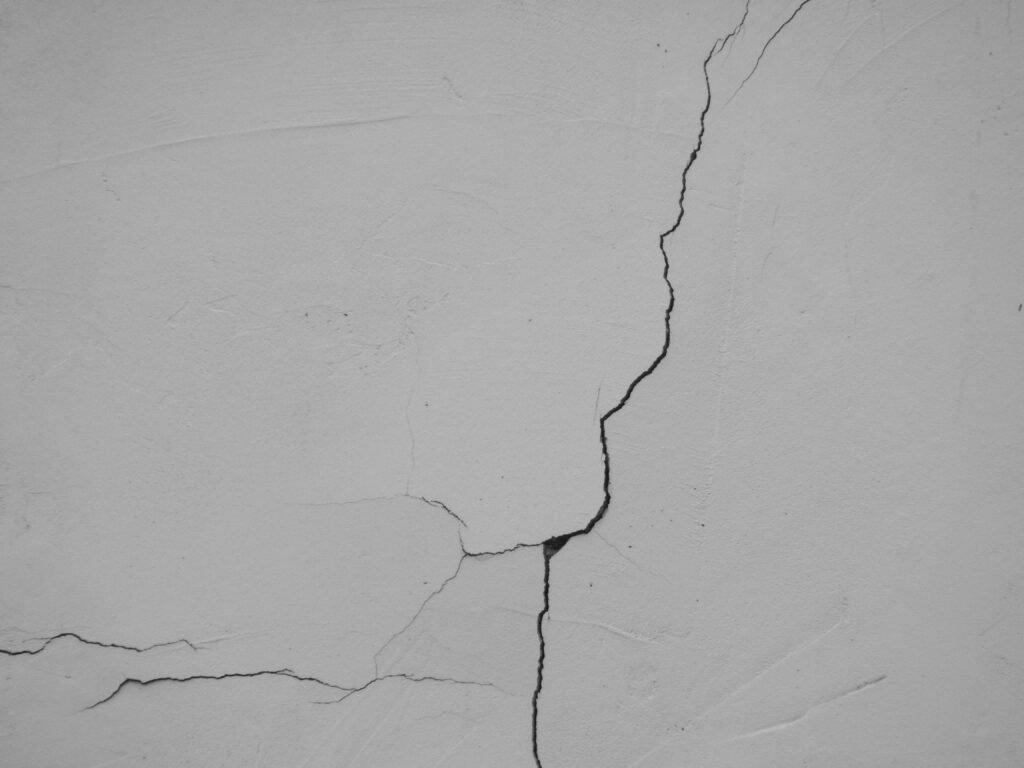
Crack pricing ranges widely because cracks form for different reasons and in different locations. A dormant hairline shrinkage crack that is dry and accessible may be handled with a straightforward sealant or injection. Published guides describe small crack-sealing jobs starting in the hundreds of dollars for basic materials and labor. Costs rise when proper surface prep, injection ports, epoxy or polyurethane resins, and finish work are included, or when access is constrained.
Expect higher totals when cracks leak, when several need attention, or when the work must coordinate with drainage or stabilization. Epoxy injection, used in certain cases to restore structural continuity, usually prices above surface sealing because of the materials and time involved. Polyurethane injection is often chosen for water sealing. Selection depends on crack behavior and the repair goal.
Keep budgeting discipline in mind: sealing a crack does not halt settlement, heave, or wall bowing. If the crack reflects ongoing movement or pressure from water, long-term solutions may add stabilization or drainage. In those cases, a low crack-only price can understate the real scope required to address the cause.
Slab Lifting, Mudjacking, and Polyurethane Foam
Slabjacking (often called mudjacking) and polyurethane foam injection lift or level settled concrete slabs. Typical targets include walkways, patios, garage slabs, driveways, and sometimes interior floor slabs. These methods generally are not used to raise a perimeter foundation that supports primary structural loads.
Pricing varies with the slab area, void depth, material, access for equipment and hoses, and the cause of settlement. As of 2026, a small, accessible section may fall in the low thousands of dollars, while larger or more complex areas run higher. Polyurethane foam tends to cost more per unit than cementitious slurry, but it is lighter and cures faster. Mudjacking can be more economical for big footprints, though it adds weight to soils below—an important consideration where soils are marginal.
The most reliable budgets come from providers who evaluate soil voids, water paths, and nearby structures. If erosion or water intrusion caused the settlement, drainage corrections often need to be added for durability, which increases the total.
Bowing-Wall Stabilization and Reinforcement
Bowed or leaning basement walls often reveal horizontal cracks, stair-step cracks in block, or inward displacement from lateral soil pressure. Stabilization seeks to halt further movement and, in some cases, gradually improve alignment. Common systems include carbon fiber straps, steel I-beam bracing, and wall anchors or helical tiebacks. Each carries a distinct cost profile and installation footprint.
Carbon fiber is typically selected when displacement is modest and the wall remains sound. It sits low profile and can be finished over—helpful in finished basements. Steel beams and wall anchors address higher loads or greater displacement. Anchors engage soil beyond the wall, and helical tiebacks are used where suitable soils exist at workable depths. These systems may require exterior access or excavation, which adds labor and restoration.
National ranges for wall stabilization run higher than small crack work because they involve more material, labor, and at times engineering or permits. Depending on wall length, displacement, and chosen system, totals often reach the mid to high thousands of dollars and can extend beyond that for long runs, multiple walls, or complicated access. A site visit that measures displacement, assesses drainage, and reviews wall construction will refine both scope and budget.
Piering and Underpinning for Settlement
Settlement repairs that shift loads to deeper, more competent soils are grouped under piering or underpinning. Systems include push piers, helical piers, drilled micropiles, and related specialty options. These foundation repair methods are selected when parts of a foundation have dropped or when near-surface soils do not provide reliable support.
Many guides mention per-pier pricing to show that each support point requires substantial materials, equipment, and labor. That framing is informative but not predictive for a specific home, since the pier count, spacing, depth to competent bearing, access, and lift strategy are all project-specific. Engineering requirements and monitoring can add costs as well.
Underpinning projects often sit near the top of published totals. A limited stabilization plan prices below a full-perimeter lift. Add a lift attempt, interior supports, and coordination with drainage or slab work, and the scope increases. For planning, recognize that underpinning frequently reaches five-figure territory in 2026 when several supports are needed, while smaller spot-stabilization plans may come in lower depending on conditions.
Waterproofing, Drainage, and Water Management
Water control often intersects with structural work. If surface water or groundwater drives leaks, hydrostatic pressure, or erosion, drainage measures may be central to the fix. Common elements include exterior grading, downspout extensions, French drains, interior perimeter drains with sump pumps, exterior waterproofing membranes, and crack injections aimed at stopping water entry.
Totals depend on whether work is inside or outside, the linear footage involved, excavation needs, and how much restoration follows. A short interior drain with a sump basin is simpler than a full exterior excavation down to the footing. Published 2026 guides show small drainage or waterproofing tasks in the low thousands and long, exterior-heavy scopes in the higher thousands or more. The correct plan ties directly to water sources, soil behavior, foundation design, and access constraints.
Drainage can solve many moisture problems and reduce soil pressure, but it does not correct structural settlement on its own. Where movement is present, stabilization or underpinning may be part of a complete plan. The reverse also holds: installing structural supports while ignoring chronic water issues can reduce durability. Many durable solutions pair both elements.
Foundation Replacement and House Lifting
At the far end of the spectrum sit projects that require lifting a house and replacing all or part of the foundation. These are less common than routine repairs but do occur with severe deterioration, incompatible original construction, or changed site conditions. The sequence can involve temporary structural support, utility coordination, excavation, new foundation construction, and substantial restoration.
Published 2026 figures for these major undertakings are broad and commonly reach into the tens of thousands of dollars, sometimes higher depending on structure size, complexity, soil conditions, and access. Treat these numbers as indicators, not planning quotes. If you are weighing this route, a structural engineer’s review and detailed, itemized proposals are especially important.
Foundation Repair Cost by Problem Severity
Localized or Early-Stage Issues
Localized issues include a few accessible dry cracks, a small settled walkway section, isolated mortar step cracking that is not active, or minor seepage near a downspout. When confirmed to be limited in extent and not driven by ongoing movement, these conditions often align with the lower end of national ranges. Typical tasks might involve crack sealing or injection, a short interior drain, a downspout extension, or slab lifting for a limited area.
Costs climb as preparation and restoration grow. A crack that needs epoxy injection and finish repairs is more involved than a basic seal. A short interior drain with a sump exceeds the cost of a simple downspout extension. Even at this tier, access and finish restoration matter. A crack behind built-ins or a drain that requires cutting a finished floor adds labor and finish work to the total.
Moderate Movement or Water Problems
Moderate conditions can feature a bowing wall with measurable yet not extreme displacement, repeated seepage after heavy rains, settlement at a foundation corner, or several interior floor areas that need lifting. Work here may include carbon fiber reinforcement, steel beam bracing, a combination of interior drain and sump, exterior grading upgrades, or underpinning at several points.
Project totals in this band often exceed averages cited for small repairs, largely due to larger quantities of material and labor and the inclusion of engineering, permits, or multiple systems. A moderate underpinning plan that stabilizes part of a perimeter, paired with drainage corrections, can produce a mid five-figure total when quantities and access are demanding. Shorter, simpler scopes can come in lower. The specific plan and site realities determine where the number lands.
Major Structural Movement and Extensive Scope
Severe settlement, heave across multiple walls, significant basement wall displacement, or widespread water intrusion requires larger scopes. These may include long runs of exterior excavation and waterproofing, full-perimeter interior drains, extensive wall reinforcement, many underpinning points, or house lifting to replace a failed foundation segment.
Projects at this level often exceed the top of common national ranges and move into high five figures or more as of 2026. That does not mean every severe case is out of reach, only that extensive labor, materials, access constraints, and restoration drive totals upward. In this band, engineering oversight is common, and plans may include monitoring and staged work. A clear, itemized proposal helps align expectations and control scope creep.
What Affects Foundation Repair Cost?
Foundation Type, Material, and Size
Slab-on-grade, crawl spaces, and full basements require different strategies. A poured concrete wall behaves differently than block, and a pier-and-beam system offers different access and structural characteristics than a concrete foundation. Footing depth, wall height, and footprint size influence quantities of materials and labor. Larger homes have longer perimeters and more interior finishes to protect and restore, which affects totals.
Material dictates method. Crack injection for poured concrete differs from stitching or tuckpointing for block. An interior lift on a slab-on-grade differs from underpinning along an exterior wall. A crawl space may ease access for some tasks yet restrict equipment, which lengthens labor and influences cost.
Soil Conditions, Water, and the Underlying Cause
Expansive clays swell when wet and shrink when dry, creating movement cycles. Loose fill soils can consolidate over time. Erosion and washout remove support. High water tables and poor drainage increase hydrostatic pressure on basement walls and can carry soil fines away from bearing zones. In colder climates, frost-susceptible soils move seasonally.
The underlying cause guides the fix. If near-surface soils are unreliable, underpinning to deeper bearing may be appropriate. If water drives pressure and leaks, drainage and waterproofing often sit at the center of the plan. Where only a thin surface layer has softened, soil improvement and surface drainage changes might suffice. Accurate diagnosis before method selection is the strongest lever for controlling cost and improving long-term performance.
Access, Excavation, and Restoration Work
Tight lots, adjacent structures, decks, patios, fences, and mature landscaping can restrict equipment. Limited access typically means more hand excavation and additional labor hours. Excavation depth, shoring needs, and soil export or import also influence labor and disposal fees.
Interior conditions matter as well. Cutting and replacing a finished basement slab, protecting or removing finishes, and restoring drywall, trim, and flooring add time and cost. Exterior restoration may include replanting, relaying pavers, replacing sidewalks, or repairing driveways. Budgets that exclude restoration will read lower than plans that return finishes to prior condition. To compare fairly, confirm exactly which restoration items are included.
Local Labor, Engineering, Permits, and Inspections
Labor and material pricing vary by region. Permit rules differ by jurisdiction, and some areas require engineer-stamped drawings or special inspections for structural work. Engineering may involve site visits, measurements, reports, and design recommendations. Municipal fees, inspection scheduling, and compliance tasks add time and cost that should appear in proposals.
When you review bids, check whether permit fees, engineering, and inspections are included or assumed to be handled by the homeowner. Clarifying these items up front helps prevent surprise add-ons.
Extra Costs to Include in Your Budget
Structural Engineering and Soil Evaluation
Not every project requires an engineer, yet a structural engineer adds value when movement is significant, the cause is unclear, several methods are under consideration, permits need stamped drawings, or you want an independent opinion before a major transaction. Fees reported in 2026 vary widely because scopes, markets, and deliverables differ. Some projects also benefit from a geotechnical soil evaluation, especially when deep support is on the table or soil variability is suspected.
Treat these professional services as part of the job rather than an extra. A sound diagnosis avoids both underscoping and overscoping, which saves money over the life of the repair.
Drainage Corrections and Moisture Control
Gutter extensions, grading changes, French drains, sump pumps, and waterproofing membranes often appear as line items that support structural goals. These items can be modest or significant depending on run length, excavation, and restoration. In many climates, improving water management protects both new work and existing structure. If a low bid omits drainage, ask why and what risks that creates for longevity.
Interior, Exterior, and Landscape Restoration
After structural or drainage work, finishes and site features often need restoration. Interior tasks can include concrete patching, drywall, paint, trim, doors, flooring, and reinstallation of cabinets or built-ins. Exterior work may include backfill and compaction, seeding or sod, plantings, paver reset, sidewalk or driveway repairs, and fence or deck reassembly.
Restoration commonly surprises budgets. Some firms include it, others exclude it, and some present it as an option. Decide whether you prefer one provider to handle everything or to manage parts yourself, then compare proposals on the same basis.
Contingencies and Change-Order Conditions
Underground work can uncover surprises. Examples include deeper-than-expected footings, utilities in a planned trench path, weaker soils that require extra depth, or interior finishes that cannot be saved. A prudent budget carries a contingency to absorb unknowns without stress.
Ask each bidder to spell out conditions that would trigger a change order and how unit pricing or allowances will be handled. Clear language around contingencies keeps the schedule intact and preserves transparency between scope, discovery, and price.
How to Estimate Your Foundation Repair Cost More Reliably
Start With the Right Diagnosis
Begin with a thorough look at symptoms and causes. Note where doors stick, where cracks appear, seasonal water patterns, and any site history you know. A qualified professional should examine the structure, measure displacement where appropriate, and evaluate drainage and soils. If recommendations vary widely or stakes are high, consider an independent structural engineer to separate diagnosis from sales. A correct diagnosis is the base for a reliable budget.
Request an Itemized Scope of Work
Ask for a written, itemized proposal that lists observed conditions, the repair method for each, quantities or lengths, water-management assumptions, engineering and permit assumptions, restoration inclusions and exclusions, warranty terms, and clear change-order triggers. Breaking a lump sum into components shows where money goes and where scope choices create price gaps.
Compare Like-for-Like Proposals
Price comparisons only help when scopes match. If one bid stabilizes without lift and another attempts a lift, totals will differ. If one includes interior drain and another relies only on grading, totals will differ. Build a simple comparison matrix aligning proposed methods, quantities, drainage items, permits, engineering, and restoration. Ask providers to adjust proposals so you can evaluate similar scopes side by side.
Clarify Warranties, Permits, and Exclusions
Warranty terms vary by method and by company. Some cover materials only, others include labor, and most tie coverage to water-management and maintenance requirements. Permitting responsibilities also vary. Clarify who pulls permits, schedules inspections, and pays related fees. Review exclusions closely. A low number that leaves out restoration, engineering, or necessary drainage is not directly comparable to an all-in total that includes them.
When a Low Foundation Repair Quote May Cost More Later
Treating a Symptom Instead of the Cause
Sealing a crack may cost little at first, but if ongoing settlement, heave, or lateral pressure caused the crack, the symptom will likely return or shift elsewhere. Likewise, jacking a slab without correcting erosion or downspout discharge sets the stage for repeat settlement. The most economical plan addresses the cause in proportion to risk and severity, not just the most visible symptom.
Ignoring Water and Soil Conditions
Water control often separates short-lived fixes from durable outcomes. A proposal that reduces water exposure and pressure may add cost today but lowers the chance of callbacks or new symptoms. Plans that skip drainage can look cheaper now yet cost more later as moisture keeps affecting soils and structure.
Choosing Scope Before Diagnosis
Chasing a price before the problem is fully understood leads to overbuying or underbuying. Underbuying leaves causes uncorrected and risks further movement. Overbuying installs more system than needed. A balanced path starts with diagnosis, then aligns scope to the problem with careful attention to water, soil, and access conditions. That approach best protects both your home and your budget.
Frequently Asked Questions About Foundation Repair Cost
What is the average foundation repair cost?
In 2026, many national guides cite total project costs in a broad range around $2,200 to $8,600, with averages near $5,000 to $5,400. Consider those figures helpful context, not a promise. A local quote tied to an observed problem, foundation type, soil and water conditions, access, and a defined scope is the only way to know your cost. Some regions and project types often price above national averages, especially where underpinning, long drainage runs, or extensive restoration appear.
What is the most expensive type of foundation repair?
The highest totals usually involve large scopes. Examples include underpinning many support points to deeper soils, full-perimeter drainage and waterproofing with excavation, extensive wall reinforcement, or house lifting for partial or full foundation replacement. Such projects often reach the high five figures or more in 2026. Smaller, localized repairs—such as a single-crack injection or a short drainage run—tend to sit near the lower end of national ranges.
Does homeowners insurance cover foundation repair?
Coverage depends on your policy and the cause of damage. Many policies exclude losses from earth movement, settlement, or long-term wear, while some sudden and accidental events may be treated differently. Because policy language varies, the reliable path is to review your documents and consult your insurer or agent. Treat any online statement as general information, not a determination for your home.
Can I finance foundation repair?
Many homeowners finance larger projects to spread costs. Options include home equity products, unsecured personal loans, or financing programs offered by some providers. Terms vary by lender, credit profile, and project size. Before borrowing, compare the total cost of credit, separate must-have scope from nice-to-have items, and confirm your proposal includes expected line items such as drainage and restoration.
The Bottom Line on Foundation Repair Cost
National figures published for 2026 place many foundation repair projects in the low to mid thousands of dollars, with a wide range that reflects very different scopes. Those numbers help with orientation, not prediction. Your final cost depends on the problem being solved, the foundation type and size, soil and water behavior, access, engineering and permitting, and how much restoration follows.
The most reliable budgeting path starts with a sound diagnosis, an itemized scope, like-for-like comparisons, and clear terms on warranties, permits, and exclusions. Address water management along with structural needs and include a contingency for hidden conditions. That approach turns a broad national range into a clear, local plan that fits your home and supports long-term performance.