Key Takeaways
- A sign is an observable clue that moisture is present or was present; it is not a diagnosis of one cause or pathway.
- Timing, location, and repeat behavior add context to basement moisture clues, but they are not proof of a single source.
- Liquid entry, capillary suction through materials, vapor diffusion, and humid-air condensation can occur together, so mixed clues are common.
- Widespread visible growth, water contaminated by sewage, extensive or recurring damage, suspected hidden moisture, or unclear sources warrant evaluation by qualified help.
- Record what you notice, when you notice it, and any related weather or plumbing use to make later assessment faster and more accurate.
Basements communicate through water lines, odors, stains, and surface changes. Learning how to spot and organize signs of basement water intrusion helps you recognize when moisture may be present and how it can affect materials and finishes. This guide explains what to watch for, how timing and location shape interpretation, and when recurring or broad clues call for qualified attention. It does not diagnose a particular property or prescribe repairs. Instead, it gives language, structure, and methods for careful observation and documentation.
One clue seldom tells the full story. Liquid water, general dampness, capillary movement in porous materials, vapor diffusion through permeable layers, humid air condensing on cool surfaces, elevated indoor humidity, and plumbing events can leave similar marks. Several can happen simultaneously. Consistent note-taking about when and where you observe changes makes patterns easier to see over time without treating a single observation as proof of a specific cause.
What Basement Water Intrusion Can Look Like
A sign is evidence to investigate, not a diagnosis
In a basement, a puddle, a damp patch, a musty odor, or a fresh stain is a clue that moisture is involved. These are signs to investigate rather than a conclusion that points to one explanation. Water may enter as liquid through joints or openings, move by capillary suction within concrete or masonry, migrate as vapor through permeable materials, or collect when humid air condenses on a cool surface. Plumbing-related wetting can mimic exterior water. Expect overlap and think in terms of patterns, sequences, and locations rather than single-cause answers.
Why timing, location, and weather patterns matter
The same location can present differently as conditions change. Wetness that appears during or right after rain or snowmelt may suggest exterior water is loading soil or joints, while moisture that ramps up on hot, muggy days can reflect condensation on walls or pipes. A recurring wet ring at the base of a wall can line up with groundwater or capillary moisture. Drips that begin during appliance use often point toward plumbing-related water. Timing and location organize your notes, yet neither should be treated as proof of an exact pathway.
Liquid water, dampness, and condensation can overlap
It is common to see liquid water on a slab while nearby pipes sweat with condensation. One portion of a wall can be damp from capillary moisture at the same time beads of water form on the surface during muggy weather. Vapor diffusion may load materials with moisture that later condenses on adjacent cool areas. Because these processes can occur together, describe exactly what you see, where you see it, and the conditions when it occurs, including temperature and humidity if known, rather than assigning a single explanation to every mark.
Visible Signs of Basement Water Intrusion
Puddles, trickling water, and fresh wet patches
Standing water on the floor, a thin trickle along a wall, or a newly darkened wet patch are among the most direct signs to document. Note the time, recent weather, and whether the wetness is isolated or aligned with a joint, seam, crack, or penetration. Watch whether water appears only during rain, continues for hours after precipitation ends, or shows up when a plumbing fixture or appliance is used. Photograph the area immediately and again at set intervals so you can track whether dampness spreads, recedes, or returns in the same place.
Damp walls, damp wall bases, and darkened masonry
Darkened concrete or masonry, especially near the base of a wall, signals damp materials. A recurring damp band across the bottom courses of a block wall is a frequent observation that may relate to capillary suction or moisture loading at joints and cold seams. Use consistent reference points in your notes so you can tell whether the dampness rises, holds at a steady height, narrows, or disappears in drier periods. Treat the pattern as a record of moisture movement, not as confirmation that water is entering through the wall face.
Stains, blistering paint, peeling finishes, and damaged materials
Staining on walls or floors, paint that blisters or peels, coatings that delaminate, and deteriorated baseboards or drywall indicate that moisture has interacted with finishes. Document the extent and exact location of damage, and track whether it reappears in the same spot after a dry stretch. Where finishes conceal the concrete or masonry behind them, the visible coating can mask different conditions in the cavity. Widespread or rapidly recurring damage suggests repeated wetting that may follow a schedule tied to weather or indoor conditions.
Efflorescence and other mineral deposits
Efflorescence is a powdery or crusty white deposit that forms when water moves through masonry and evaporates, leaving mineral salts at the surface. It often gathers along mortar joints, near wall bases, or at cracks. Rust-colored or tan mineral stains can also appear where water dissolves and transports iron or other compounds. These accumulations show that moisture has moved and evaporated; they do not isolate a single pathway. Photograph deposits, note their size and location, and watch whether they return after wet spells or during humid seasons.
Spalling, crumbling surfaces, and why context matters
Spalling describes surface deterioration of concrete or masonry that can look like flaking, pitting, or crumbling. Cycles of wetting and drying, along with salts at the surface, can disrupt the outer layer of materials. Because multiple factors can contribute, spalling is best handled as a sign to document rather than a conclusion about cause. If you observe crumbling near persistent dampness, recurring puddles, or mineral deposits, record how the pattern changes over time and consider qualified help if the damage is extensive, expanding, or accelerating.
Basement Air and Material Clues
Musty odors and visible mold
A musty odor often indicates that materials have remained damp long enough for microbial growth to develop, and visible mold confirms that moisture has been present. Odors without a clear origin can suggest hidden dampness in finishes, behind furniture, or within wall cavities. The timing and intensity of the smell are informative, such as odors that increase after rain or during humid weather. If growth is broad in scope or the affected area is substantial, or if the odor indicates hidden moisture in finishes or heating, ventilation, and air conditioning (HVAC) components, seek qualified guidance.
Condensation on cool walls, floors, pipes, or ducts
Water droplets on cool pipes, metal ducts, windows, concrete floors, or foundation walls during muggy periods are typical signs of condensation. This occurs when moisture-laden air meets a surface cool enough for water to collect. Condensation is often mistaken for a leak, particularly where it drips from a pipe or runs down a cool wall. Note which surfaces are wet and whether the wetness coincides with humid weather or cooler indoor temperatures. Repeated condensation still deserves attention because it can cause staining, corrosion, and ongoing dampness.
Damp air and elevated humidity context
Heavy-feeling air, persistent clamminess, or interior fogging on windows can point to elevated indoor humidity. Basements commonly have cooler surfaces that bring moist air to its dew point. If you can measure humidity, log readings alongside weather notes; measurements are helpful but not required to track patterns. In general, humid days correspond with increased condensation on cold surfaces. Document whether odors or damp materials are more noticeable when it is humid outside or when the basement is cooled, as that timing can distinguish air-driven moisture from exterior liquid water.
Deteriorating carpet, wood, insulation, or stored items
Damp carpet, warped or stained wood, compacted insulation, and damaged cardboard or fabrics all suggest prolonged moisture exposure. The bottoms of storage boxes and furniture legs often show early deterioration because they trap moisture against floors. Record the specific items affected and their positions relative to walls, corners, drains, or appliances. If damage returns after you move items or after a dry period, that points to recurring moisture. Where material damage is broad, a qualified assessment can help determine the extent and whether concealed areas are involved.
Signs Around the Outside of the House
Puddles, low spots, and saturated soil near the foundation
After rain or snowmelt, walk the perimeter and look for standing water, soggy low areas, or channels that direct runoff toward the foundation. These observations provide context for interior dampness that shows up after storms. Note whether puddles linger long after other areas have drained, whether soil remains saturated, and whether landscaping traps water along the wall. None of these confirm an exact pathway, but they highlight where water concentrates, which can raise the likelihood of wetting the foundation or slab edges during wet periods.
Roof runoff, gutters, downspouts, and splash patterns
Roofs collect large amounts of water and shed it at the edges, so how runoff is handled can influence basement moisture conditions. Look for gutter overflow marks, staining, or debris streaks, and inspect the ground where downspouts discharge for erosion or splash patterns. During steady rain, if you can observe safely, watch how water leaves the roof and where it lands. Repeated overflow staining or splash marks near a foundation wall may align with interior signs in that area, though they are not proof of a direct entry route.
Water near window wells, access points, cracks, or penetrations
Window wells, exterior stairwells, utility penetrations, and visible cracks can collect or route water during storms. Check for pooled water in wells, staining on well liners, debris lines that show past water levels, or damp soil where utilities enter. Note how these features relate to interior wet spots. For example, a damp band inside near a window well after rain is a useful detail to record. Treat these as locations to monitor for repeat behavior, not as confirmation that one feature alone explains any interior sign.
Surface clues that recur after rain or snowmelt
Patterns that return consistently after precipitation are strong context. Examples include a corner that stays wet outside while the rest of the yard dries, sediment fans or crusts at a downspout, or recurring runoff streaks on siding. If interior moisture appears on the same schedule, capture that relationship in your notes. Over multiple events, repetition helps focus an assessment on areas where exterior water consistently loads foundation-adjacent soil while still acknowledging that interior signs can reflect multiple moisture pathways.
What the Timing of Basement Moisture Can Suggest
Wetness during or shortly after rain
Moisture that appears during rain or within hours afterward is often associated with exterior water reaching the foundation. Examples include water lines on walls after storms or puddles that form near slab joints. Record the start time, the intensity and duration of precipitation, and how long wetness persists. If the same area gets wet after both moderate and heavy rain, note that as well. Timing adds context for later evaluation but does not prove a single entry point or confirm that a particular crack or joint is the only pathway.
Spring, snowmelt, and seasonal groundwater context
In some regions, snowmelt and spring rains can raise local groundwater and increase soil wetness around a foundation. Seasonal patterns might include damp wall bases in spring that diminish in summer, or water that appears at floor-wall joints only during the wettest months. Record the seasonal context alongside each observation. Recurrent seasonal wetness can align with water loading the soil and pushing moisture through joints and imperfections, but it remains a pattern to document rather than a diagnosis of one condition or defect.
Moisture that appears during humid weather
When outdoor air is warm and humid, a cool basement can act as a condensing surface. Beads of water on pipes, metal ducts, windows, concrete floors, or walls that appear mainly on muggy days often reflect humid-air condensation. If odors intensify at the same time, materials may also be taking on moisture. Track whether these clues fade during drier weather and whether they occur even without rain. This timing distinction helps separate interior humidity and condensation from exterior liquid entry, while recognizing that both can occur together.
Localized wetness near plumbing or appliances
Water that collects near a water heater, softener, laundry hookup, floor drain, or bathroom can align with plumbing events. Drips or puddles that form during or after appliance use are important to log carefully. Check for repeat behavior tied to fixture use, independent of weather. If a location remains dry during storms but gets wet when appliances run, that is meaningful context. Where plumbing, HVAC, or drains are suspected, qualified help is appropriate, especially if moisture recurs, the affected area is substantial, or the source is unclear.
Understanding Common Moisture Pathways
Liquid water flow through joints, cracks, and openings
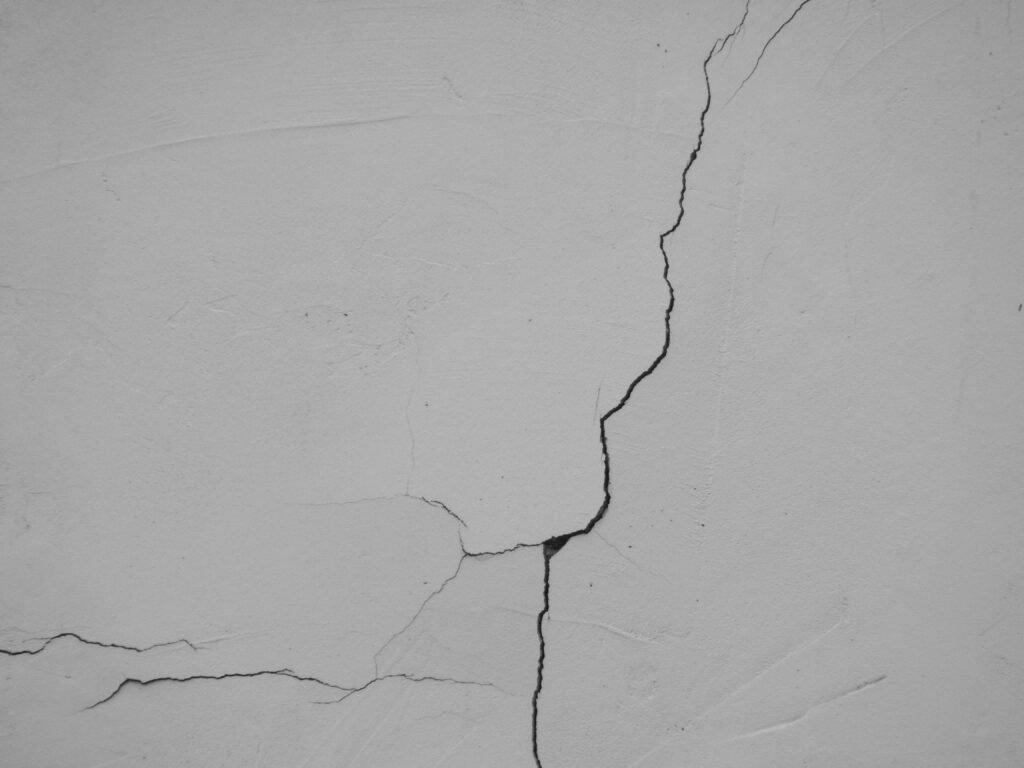
Liquid water follows the path of least resistance, including construction joints, cracks, and penetrations at pipes or conduits. Hydrostatic pressure in wet soil can nudge water through small imperfections. Interior indicators may include trickles, wet lines that trace joints, or puddles at seams. These signs describe the presence and route of moisture but do not identify a single cause or confirm a structural issue. Because gravity and pressure influence flow, repeated observations about where liquid appears and how it moves are especially helpful.
Capillary suction through porous materials
Capillary movement draws water into pores within concrete, mortar, and block, allowing moisture to migrate without visible flow. A recurring damp band near a masonry wall base or darkened mortar joints may align with this mechanism. Capillary action can move moisture from wet soil up into materials, or from damp concrete into finishes that contact it. Look for consistency in height and location, and whether the damp band expands during wet seasons and contracts during drier periods. Treat such patterns as evidence of moisture movement rather than proof of an active leak.
Vapor diffusion and damp materials
Water vapor moves through permeable materials from higher vapor pressure to lower, gradually loading materials with moisture. Over time, this can lead to damp surfaces, higher moisture content in finishes, or odor changes, even without visible liquid water. Vapor diffusion can coexist with capillary suction and liquid entry. Typical clues include general dampness that is hard to localize, a recurring odor without puddles, or finishes that slowly discolor. Recording humidity context and material conditions over several weeks helps distinguish vapor-related dampness from a one-time water event.
Humid air condensation on cool basement surfaces
Condensation occurs when moisture-laden air meets a cool surface and water collects. In basements, concrete, metal, glass, and uninsulated ducts often run cool enough to trigger this process in humid seasons. Clues include droplets on cold pipes, water beading on walls, or damp floors that correspond to muggy weather or indoor cooling. Because condensation can occur alongside liquid entry, record which surfaces are wet and whether the pattern tracks outdoor humidity rather than rain. Repeated condensation is a condition worth addressing during evaluation.
When a Water Sign May Be Hidden Behind Finishes
Odors without an obvious source
A musty smell in a finished basement where no visible water is present may indicate moisture behind walls, under flooring, or within insulation. Odors that intensify after rain or on humid days provide timing cues. Check whether furniture against an exterior wall feels cool or damp, or whether baseboards show subtle staining. Although these clues do not pinpoint a precise pathway, they are strong reasons to document the pattern and consider qualified help if the smell is persistent, widespread, or linked to known past water events.
Reappearing stains and damage that returns
Stains that fade then reappear in the same spot, paint that repeatedly blisters, or trim that swells again after seeming to dry are signs of recurring moisture. Finishes often mask the movement of moisture within wall cavities or beneath flooring, so the visible symptom may lag the wetting event. Photograph each recurrence with consistent lighting and distance to track changes. If the affected area grows or intervals between recurrences shorten, arrange for an experienced evaluator to check for concealed moisture.
Finished walls, flooring, and stored items can conceal moisture
Drywall, paneling, carpet, vinyl plank, and stored items can hide evidence of dampness, allowing moisture to persist out of sight. You might notice only cooler wall sections, subtle discoloration at nail heads, a faint baseboard line, or an outline behind shelving. Stored items also block airflow and trap moisture against surfaces, causing damage at contact points. If you suspect concealed moisture due to odors or localized surface changes, avoid assumptions about the source and document the exact conditions that raise concern to support a focused assessment.
Documentation that makes patterns easier to see
Organized records make patterns easier to connect later. Include dates, times, weather, recent plumbing or appliance use, and clear descriptions of what you observe. Photos with a consistent reference item establish scale and progress. Simple sketches of the basement with numbered locations anchor repeated observations. Over several weeks or events, this documentation reveals whether wetness follows storms, humid weather, or plumbing use. That pattern guides a qualified professional if assistance is needed and reduces reliance on a single clue for conclusions.
When Signs of Basement Water Intrusion Need Qualified Help
Extensive visible growth or substantial water damage
Visible growth across broad areas, widespread staining, or major deterioration of finishes indicates moisture has persisted long enough to affect materials significantly. Large or expanding areas go beyond informal observation and call for qualified evaluation. The objective is to define both the extent of damage and the moisture conditions allowing it to continue, not to draw a diagnosis from appearance alone. Document the size, locations, materials involved, and any timing patterns you have noticed to support a thorough assessment.
Sewage-contaminated water, suspected HVAC involvement, and concealed moisture
If water appears to originate from a drain backup or contains sewage, seek appropriate qualified help promptly. If odors or moisture signs suggest involvement of HVAC equipment or ducts, or if you suspect moisture hidden within wall assemblies, ceilings, or beneath flooring, a qualified assessment is warranted. These conditions can involve health considerations and system interactions beyond simple observation. Provide your notes on timing, weather, and locations so the evaluator can focus on likely areas and separate overlapping moisture pathways.
Recurring puddles, ongoing seepage, or unclear water sources
Puddles that reappear, seepage that continues beyond a brief wetting event, or moisture whose source remains unclear after careful observation are strong reasons to involve a professional. Mixed signs are challenging because liquid water, capillary moisture, vapor diffusion, and condensation can all contribute. An experienced observer can use your documentation to test hypotheses while avoiding premature conclusions based on a single symptom. If the issue recurs in the same place or on a predictable schedule, share that pattern in detail.
Possible wood decay, broad material damage, or structural concerns
If wood feels soft, if finishes show widespread deterioration, or if you have concerns about material integrity, reach out for qualified help. This guide does not evaluate structural safety and does not diagnose conditions. The aim is to recognize and record what you see. When damage is large in scope or affects multiple materials, or when water signs appear near structural members, a careful evaluation can determine the extent of moisture involvement and the next steps for a responsible plan.
A Practical Observation Routine
After rain or snowmelt
Soon after a storm or during thaw, check for interior and exterior signs. Inside, inspect floor-wall joints, known hairline cracks, and low points for puddles or fresh dampness. Outside, look for standing water near the foundation, saturated soil, window wells with pooled water, and evidence of roof runoff concentrating near walls. Record the start time of your walk-through and the weather details, then recheck a few hours later to see if conditions improve or worsen. Consistent documentation across multiple events helps reveal repeat patterns.
- Photograph interior wet spots, mineral deposits, and damp bands, then take the same photos the next day to compare spread or drying.
- Note which wall or corner is affected and whether it matches an exterior location where water appears to concentrate.
- Add the location and visible extent of dampness to a sketch so you can track change across storms.
During humid weather
On muggy days, pay attention to surfaces prone to condensation. Check metal pipes, ducts, windows, concrete floors, and foundation walls for beads of water. Note whether musty odors intensify, which can indicate additional moisture loading. Record whether these signs appear without any rain. If condensation is the dominant observation during humid periods, that distinction helps separate air-driven moisture from exterior liquid entry in your notes while acknowledging that both can occur.
- Track which specific surfaces sweat first, such as cold water lines or a north wall, and whether wetness increases when indoor air is cooled.
- Use the same time of day for checks to reduce daily temperature swings in your comparisons.
After a plumbing leak or water event
If a plumbing leak or overflow occurs, promptly check nearby basement areas to see how water traveled. Map any damp spots that appear on walls or floors on the same day and again over the next 24 to 48 hours. Document whether dampness remains localized near a fixture or spreads along joints and seams. Immediate and short-term tracking later helps distinguish plumbing-related signs from those driven by exterior conditions or indoor humidity.
- Note whether wetness aligns with a floor drain or pipe penetration and whether it stops once the plumbing event ends.
- Record the visible location and extent of staining or blistering after the event.
Before finishing or storing items in a basement
If you plan to finish space or store valuables, a period of observation reduces the risk of trapping recurrent moisture. Walk the basement through several weather cycles and during humid days. Move boxes off the floor to check for hidden dampness or staining. Look behind furniture on exterior walls for cool or damp surfaces. Keeping a sketch with numbered zones and consistent photos creates a baseline that can reveal seasonal patterns before finishes or storage obscure signs.
- Observe the same locations weekly for at least one wet spell and one humid spell, and log any new stains, odors, or dampness.
- Leave small gaps around stored items so later checks can catch early surface changes rather than only severe damage.
Frequently Asked Questions
What are the first signs of basement water intrusion?
Early clues often include small puddles or fresh wet patches on the floor, a darkened band at the base of a masonry wall, beads of water on cool pipes or walls during humid weather, efflorescence lines along mortar joints, or a musty odor that was not present before. Minor blistering or peeling paint can also appear early. Track when each sign appears relative to rain, snowmelt, or indoor humidity. These are clues to investigate and document, not a diagnosis of one cause or pathway.
Does efflorescence mean water is coming through a basement wall?
Efflorescence shows that water has moved through or along masonry and evaporated, leaving mineral salts at the surface. It is a helpful observation, but it does not prove that liquid water is actively flowing through the wall face or that a single defect is present. Treat it as a record of moisture movement. Note the size and location, whether it returns after wet weather, and whether it coincides with other clues such as damp bands, stains, or recurring puddles after storms.
Can basement condensation look like a leak?
Yes. During humid weather, cool surfaces in a basement can collect water droplets that drip and create wet patches that resemble a leak. Pipes, ducts, windows, concrete floors, and foundation walls are common condensation points. Timing helps sort this out. If wetness appears mainly on muggy days and not after dry weather, and if it concentrates on cool surfaces, condensation is a strong possibility. It can still coexist with liquid entry, so continue documenting both timing and location.
Does a musty basement odor mean there is water intrusion?
A musty odor indicates materials have been damp long enough for microbial growth to develop, which requires moisture. That moisture can come from several pathways, including condensation, capillary moisture, vapor diffusion, or liquid entry. Odors without a visible source may suggest hidden dampness behind finishes or under flooring. If the smell is broad, persistent, or linked to known water damage, consider qualified evaluation. Use odor timing and intensity in your notes to see whether it aligns with rain, snowmelt, or humid conditions.
When should basement water signs be checked by a professional?
Seek qualified help when you see widespread visible growth, a large or recurring water-damaged area, water contaminated by sewage, possible involvement of HVAC systems, or when concealed moisture is suspected behind finishes. Also consider help if puddles return repeatedly, seepage continues, the source remains unclear after careful observation, or you are concerned about possible wood decay, broad material damage, or structural implications. Your documentation of timing, location, and repeat patterns will make that evaluation more effective.
The Bottom Line
Basement clues rarely stand alone. A puddle, a damp band, a mineral crust, beads of water on a pipe, and a musty odor can all be accurate observations that reflect different moisture pathways or a mix of them. Organize what you see by timing, location, and repeat behavior. Use precise descriptions and photos so patterns emerge across multiple events. For water contaminated by sewage, extensive or recurring damage, widespread visible growth, suspected hidden moisture, HVAC involvement, or unclear sources, involve qualified help. Recognizing and documenting signs of basement water intrusion makes later evaluation more targeted and avoids drawing conclusions from a single symptom.