Buying a new home is an exciting milestone. From decorating your space to settling into a daily routine, there is plenty to look forward to. However, homeownership also comes with responsibilities that are easy to overlook. Maintaining your HVAC system is one of them. After all, a comfortable home depends on more than attractive interiors. It also needs reliable heating, effective cooling, and healthy indoor air.
For new homeowners, HVAC maintenance might seem complicated, particularly when you are unfamiliar with the equipment or unsure which tasks require professional attention. Fortunately, keeping your system in good condition does not have to be overwhelming. A few simple habits, combined with periodic professional inspections, can help prevent unexpected breakdowns, improve energy efficiency, and extend the life of your equipment.
6 Tips to Easily Maintain Your HVAC System as a New Homeowner
Whether you have purchased a newly constructed property or moved into an older house, understanding the basics of HVAC maintenance can save you considerable stress in the long run. Here are six practical tips to help you get started.
1. Replace Air Filters Regularly
If there is one HVAC maintenance task every new homeowner should learn first, it is checking the air filter. Although filters are relatively small components, they play an essential role in trapping airborne particles such as dust, pollen, and other debris before they accumulate inside the system.
Over time, a dirty filter restricts airflow, forcing your heating or cooling equipment to work harder to maintain the desired indoor temperature. This can contribute to higher energy bills, reduced comfort, and unnecessary strain on system components. According to ENERGY STAR, homeowners should inspect their HVAC filters monthly and replace them at least every three months, or sooner when they become dirty.
If checking or replacing HVAC filters seems like a difficult task, seeking help from local HVAC services in Las Vegas or your city can be a smart choice. Experienced technicians can help you choose the right filter for your system and ensure it is installed correctly to maintain proper airflow and efficient operation.
2. Schedule Professional HVAC Inspections
Even when your HVAC system appears to be working perfectly, internal components can develop problems that are difficult to identify without the appropriate training and equipment. A professional inspection helps uncover these issues before they turn into inconvenient, expensive repairs.
Ideally, arrange a cooling-system check in spring, before the temperatures climb, and a heating-system inspection in fall, before the colder weather arrives. These inspections are particularly important when moving into a previously occupied property. Ask the seller for available maintenance records, warranty information, and details about any previous repairs. If the service history is unclear, arrange an assessment so you understand the system’s condition and can plan future maintenance.
When choosing an HVAC contractor, look for qualified, appropriately licensed, and insured professionals. Trusted providers like Premier Heating Services can help homeowners in Las Vegas make informed decisions about their heating and cooling needs. Rather than choosing a contractor solely because of a low advertised price, consider their qualifications, experience, and willingness to answer questions. A trustworthy technician should distinguish essential repairs from optional upgrades, helping you make informed decisions about your home’s comfort.
3. Keep Outdoor Units Clean and Clear
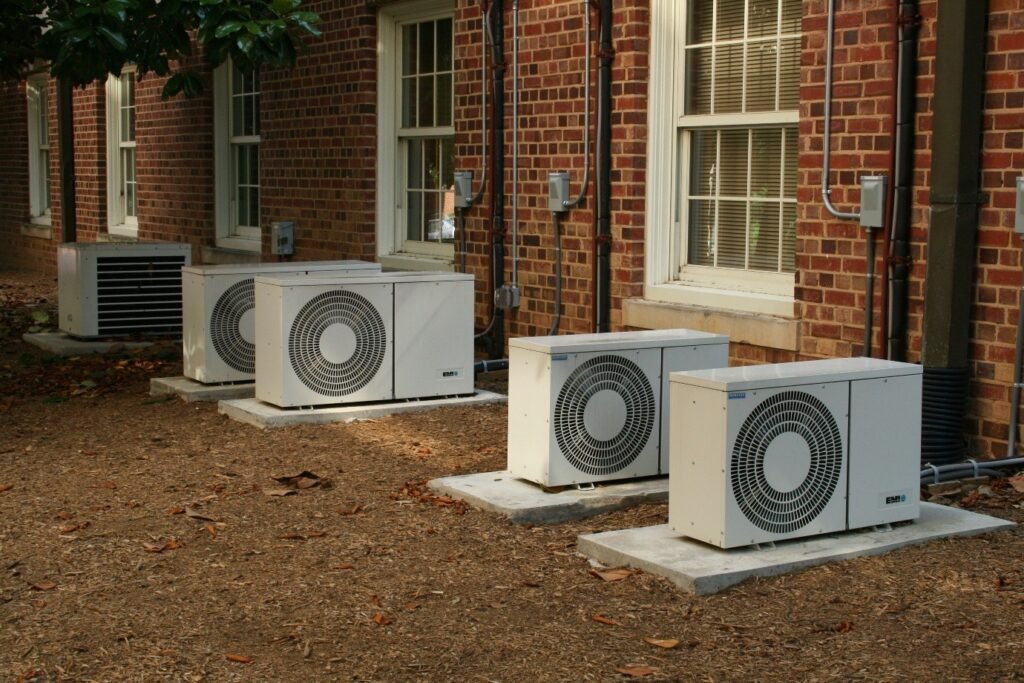
Your outdoor condenser unit needs adequate space to release heat efficiently. Unfortunately, leaves, grass clippings, dust, and overgrown plants can gradually collect around the equipment. These things restrict airflow and make it harder for the system to cool your home.
Make it a habit to inspect the outdoor unit every few weeks, particularly during seasons when vegetation grows quickly or dust accumulates. Remove loose leaves and debris from the surrounding area, and trim nearby plants so they do not obstruct airflow. Keep the unit’s clearance requirements in mind, following the manufacturer’s recommendations rather than relying on a universal distance.
If you notice visible dirt on accessible exterior surfaces, follow the manufacturer’s cleaning instructions. Avoid bending delicate fins, spraying electrical components, or attempting to dismantle the equipment yourself. Coil cleaning and repairs that require opening the unit are best left to a qualified technician.
4. Use Your Thermostat Strategically
Your thermostat does more than control the temperature. It also influences how frequently your HVAC system operates. Learning to use it effectively can improve everyday comfort while helping you manage energy consumption.
Start by choosing a temperature that feels comfortable without forcing the equipment to work unnecessarily. If your thermostat offers programmable scheduling, adjust the settings around your family’s routine. For instance, you might use a slightly less demanding temperature setting when everyone is away and return to your preferred setting shortly before coming home.
Small adjustments can make a difference over time. Avoid repeatedly changing the thermostat in an attempt to make the house heat or cool faster. Most conventional systems do not work faster simply because you select a more extreme setting. Instead, allow the equipment to reach the desired temperature gradually.
5. Pay Attention to Unusual Sounds, Smells, and Performance Changes
One of the most valuable skills a new homeowner can develop is recognizing when something about the HVAC system feels different. You do not need technical expertise to notice that a room is taking longer to cool, airflow has weakened, or the equipment is cycling on and off more frequently than usual.
Other warning signs include unexplained increases in utility bills, persistent water around indoor equipment, unusual rattling or grinding noises, weird smells, and inconsistent temperatures between rooms. While some sounds and operating patterns are normal, sudden or persistent changes deserve attention.
When you notice a problem, write down what is happening and when it occurs. For example, record whether the issue appears only during particularly hot afternoons or continues throughout the day. This information can help a technician diagnose the underlying cause more efficiently.
6. Improve Your Home’s Overall Energy Efficiency
Your HVAC system does not operate in isolation. The insulation, windows, doors, and overall layout of your home influence how much heating or cooling is required to maintain comfortable indoor conditions.
Remember to check for drafts around windows and doors, seal gaps with weatherstripping or caulking, and ensure adequate attic insulation to reduce heat transfer. During hot weather, use blinds or curtains to block direct sunlight. Furthermore, ceiling fans can improve comfort by circulating air and allowing slight thermostat adjustments.
Indoor humidity also affects comfort, so use kitchen and bathroom exhaust fans and address moisture problems promptly. Monitor monthly energy bills and compare usage across similar seasons, considering changes in weather, electricity rates, and household habits. If bills rise unexpectedly, consult a qualified professional to assess your cooling system and home energy efficiency.
Wrapping Up
Maintaining your HVAC system as a new homeowner is less about mastering complicated repairs and more about building consistent, practical habits. Small things like regular filter replacement, clear airflow pathways, and early attention to warning signs can all contribute to a more comfortable living environment.
Most importantly, remember that preventive maintenance is an investment in reliability, not simply another item on your household to-do list. By understanding your equipment, keeping useful maintenance records, and working with qualified professionals, when necessary, you can approach homeownership with greater confidence.
You do not have to accomplish everything at once. Start with the simplest tasks, establish reminders for seasonal inspections, and address concerns as they arise. Over time, these small efforts can help protect your equipment, manage energy use, and keep your home comfortable throughout the year.