Key Takeaways
- A sump pump moves water only after that water has collected in a sump pit or basin.
- The pump can sit inside a broader drainage path that may include footing drains, perimeter drains, sub-slab drainage, or a local collection zone.
- A sump pump alone does not pinpoint the original water source or resolve every type of basement moisture issue.
- Discharge details, safety, local rules, and site conditions shape outcomes, so system-specific answers require local context.
Sump Pump at a Glance
Component or context | Primary role | What it may reveal | What it cannot confirm
- Drainage collection: Routes water through footing drains, perimeter drains, sub-slab drains, or local collection toward a low point | That water is being directed toward a basin instead of spreading under a slab | The precise source of water or whether collection extends across the full footprint
- Sump pit or basin: Receives collected water at a low point for eventual pumping | That water is arriving at a defined collection point | Whether the water came from groundwater, surface runoff, plumbing leaks, or condensation
- Sump pump: Lifts and expels water from the basin when triggered | That water volume reaches the basin during certain conditions or at certain rates | Whether the overall drainage design is sufficient or whether the structure is watertight
- Float or activation switch: Starts and stops the pump based on water level | Approximate on and off points for pump cycles | The system’s total capacity or the condition of other components
- Check valve: Limits water from running back into the basin after a pump cycle | That some outflow tries to reverse direction when the pump shuts off | Whether the discharge path is suitable or compliant with local rules
- Discharge pipe and outlet: Carries water away from the house after pumping | The direction water travels after leaving the pump | A universally acceptable discharge location or environmental compliance
- Power and backup context: Supplies electricity to the pump and may include backup options | That operation depends on power and equipment condition | Whether a particular property needs backup or which type is appropriate
- Observation and timing: Helps identify when the pump runs and after which weather patterns | Potential links between rainfall, snowmelt, or saturated soil and pump activity | A complete water-source diagnosis, structural assessment, or plumbing conclusion
What Is a Sump Pump?
A Pump That Moves Collected Water
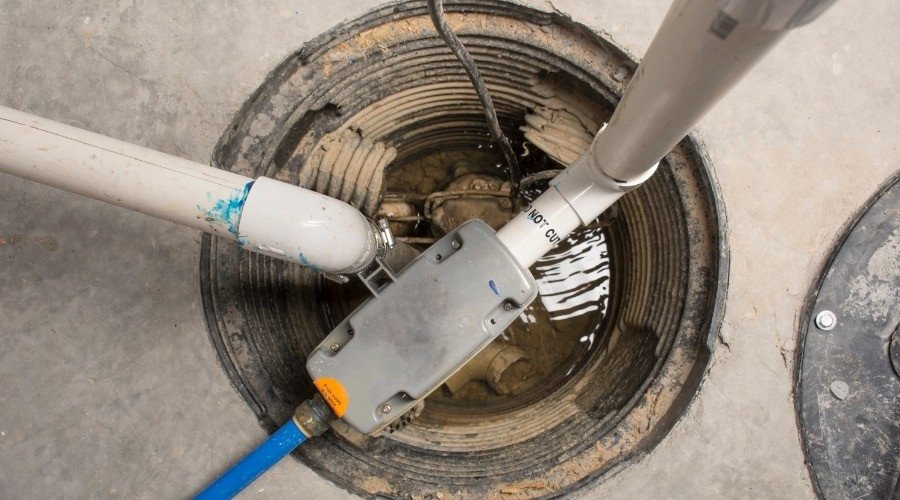
A sump pump is a device that removes water after that water has already pooled in a sump pit or basin. It does not create the pathways that bring water to the basin. A float or similar mechanism typically senses a set water level and switches the pump on. Once running, the unit pushes water up and out through a discharge pipe. In short, the sump pump begins its work only after water reaches the low point of a drainage path. That distinction matters because the pump’s activity alone does not tell you where the water originated or how well the property manages water overall.
Why the Sump Pit or Basin Matters
The sump pit or basin is the collection point within the part of the system that drains to it. Depending on the building and the design, water may arrive from footing drains around the foundation, a perimeter or sub-slab drainage layer, or a more localized collection area. Because the basin sits at a low point, gravity and drain pathways guide water to it so the pump can remove that water. The presence of a basin does not prove that every part of the foundation drains to it, and it does not identify the original source of moisture. Think of the basin as a staging area for water that has already moved along some portion of a drainage path.
Sump Pump as One Part of a Water Management Path
A practical way to see a basement drainage system is in three steps: collect water, move the collected water out of the building, and manage that water after it leaves. The sump pump addresses only the second step. Collection can involve footing or perimeter drains, aggregate layers beneath a slab, or a localized drain. After pumping, the discharge path carries water away. Each step has limits, and each may be configured differently from one home to the next. Because of that variability, this overview can explain roles and relationships but cannot specify which components a specific property has or how they should be arranged. Local codes, soils, grading, and construction details drive those decisions.
How a Sump Pump Fits Into Basement Drainage
Collection From Footing, Perimeter, or Local Drainage
Many basements include a collection layer or a pipe network that intercepts water near footings or along foundation walls. Some systems add a sub-slab drainage layer that steers moisture toward a low point. Others serve only a small section of the foundation or a known wet spot. Layouts are not universal. Age of the structure, additions, soil conditions, and site grading all contribute to differences. That variability sets expectations. Seeing a sump pump shows there is a way to remove water that reaches the basin; it does not guarantee that every foot of the foundation drains to that basin.
Water Reaches the Sump Pit
After water is gathered by the drainage layer or pipe, gravity moves it toward the sump pit or basin. The basin, typically the low point, accepts water through perforations, weep holes, or connected drain lines. Details differ by installation, which is why a basin cannot identify the original source of water or the reach of hidden collection paths. How steadily water arrives depends on seasonal groundwater levels, recent weather, landscaping, and grading. A dry basin could reflect a dry period or limited collection coverage; a consistently wet basin may indicate active collection during wetter conditions.
The Pump Sends Collected Water Out
When water in the basin reaches the activation level, the pump turns on and lifts water through a discharge pipe. Many setups include a check valve so water in the vertical section of pipe does not fall back and reenter the pit when the pump stops. The pump continues until the activation device signals that water has dropped to the stop point. This cycling only describes moving water that has already reached the basin. It does not measure the total amount of water beneath the slab or around the foundation, and it does not rate exterior drainage performance.
The Discharge Path Is Part of the System
Once the pump moves water out of the basin, the discharge path carries it away from the home. That path is integral to the system. Discharge choices depend on local rules, soil and grading, nearby infrastructure, and environmental considerations. A sound discharge arrangement avoids sending water where it is not allowed and reduces the chance that it will return to the foundation area. Because requirements and site constraints vary, a general resource cannot prescribe a discharge location, measurements, or connections. Local authorities and qualified professionals can explain what is acceptable in a given area.
Common Sump Pump Components and Context
Sump Basin and Pump
The sump basin is a container or formed cavity below slab level that receives incoming water. It is sized and positioned so collected water can accumulate before activation. The pump sits in or above the basin and removes water when triggered. Materials and pump types vary across installations, but the basic relationship stays the same. The basin collects. The pump moves water out. Neither component, on its own, can show whether the building’s envelope, grading, or exterior drainage is ideal; those are separate elements in a broader water management approach.
Float or Activation Context
Most sump pumps use a float switch, diaphragm switch, or a similar device to control the motor. As water rises, the device signals the pump to turn on; as water drops, it signals the pump to turn off. The activation mechanism helps define how a pump behaves, including how often it cycles during wet periods. Observing water level in the basin between cycles can suggest how quickly water arrives, but activation details do not diagnose why water is present. They simply govern when pumping begins and ends.
Check Valve Context
A check valve is commonly installed on the discharge line to reduce water returning to the basin after the pump stops. Without one, some water in the vertical run of pipe can fall back and trigger short, frequent cycles. The presence of a check valve does not guarantee that the broader system is designed appropriately or that discharge conditions suit the property. It is one component that supports pump function. Suitability, condition, and placement depend on the rest of the drainage path and local context.
Cover and System Awareness
Many basins have a cover to reduce debris, odors, and accidental contact. Covers also help signal when the area may be a confined space or when added caution is warranted around mechanical and electrical equipment. A cover does not change the pump’s role or identify the source of water. If water is near electrical equipment, if there is active flooding, if sewage is present, or if a pump appears to have failed, those conditions go beyond general education. Qualified local or professional guidance is appropriate in those situations.
When a Sump Pump May Run
Rain, Snowmelt, and Saturated-Soil Periods
Sump pump activity commonly tracks with weather. After sustained rain, rapid snowmelt, or long periods of saturated soil, water around footings and beneath slabs can rise or move along drainage layers toward the basin. In areas with clay soils, water can move slowly and keep a pump cycling intermittently for days after a storm. In sandy or well-drained soils, the pump may run hard during the event and then quiet down more quickly. These patterns reflect how water moves through soil into whatever collection paths exist at a specific property.
Patterns Can Vary by Site and Season
Two homes on the same street can show different sump pump behavior because of grading, landscaping, additions, utility trenches, or how the original foundation drainage was built. Seasonal changes add another layer. Spring thaw, high water tables, and extended wet periods can make a usually quiet system run more often, while a dry summer can make an active system nearly silent. Even within a single property, a finished area can show different patterns than an addition built later. Recognizing these differences helps prevent firm conclusions from a brief observation window.
Why Running Frequency Is Not a Diagnosis
A frequently running pump can feel like a warning, yet frequency alone is not a diagnosis. It does not prove that a footing drain is clogged, that exterior grading has a certain slope, or that one water source is responsible. A pump can also run rarely even while water migrates under a slab in areas that do not connect to the basin. Frequency is simply one observation. It can start a conversation about patterns, but it cannot replace a site review, a full drainage assessment, or specialized testing. If water is near electrical equipment, if there is visible structural change, or if equipment performance is in doubt, seek qualified local or professional help.
What a Sump Pump Can and Cannot Address
What It Can Do: Move Water That Reaches the Basin
A sump pump is straightforward in its strength: it removes collected water from the basin. When a drainage path directs water to that low point, the pump can actively move it along a discharge path. This can matter during storms, snowmelt, or other conditions when subsurface water levels rise. With a check valve and an appropriate discharge path, the pump cycles on and off to keep the basin from overflowing. In that sense, it manages water that is already collected; it does not stop water from entering soil or from wetting a foundation wall in the first place.
What It Cannot Do: Identify Every Water Source
A sump pump cannot determine whether water in a basin started as groundwater, a disconnected downspout, driveway runoff, or a plumbing leak. It does not reveal if moisture on a wall comes from diffusion, condensation, or seepage at a crack. It also does not confirm whether footing drains encircle the entire house or whether they tie into the basin. Those questions relate to the collection system, the building envelope, the exterior site, and sometimes mechanical systems. The pump’s function is narrower: if water reaches the pit, the pump moves it out. That clarity helps prevent overstating what the pump alone can prove.
Moisture, Plumbing, and Foundation Conditions Can Be Separate Questions
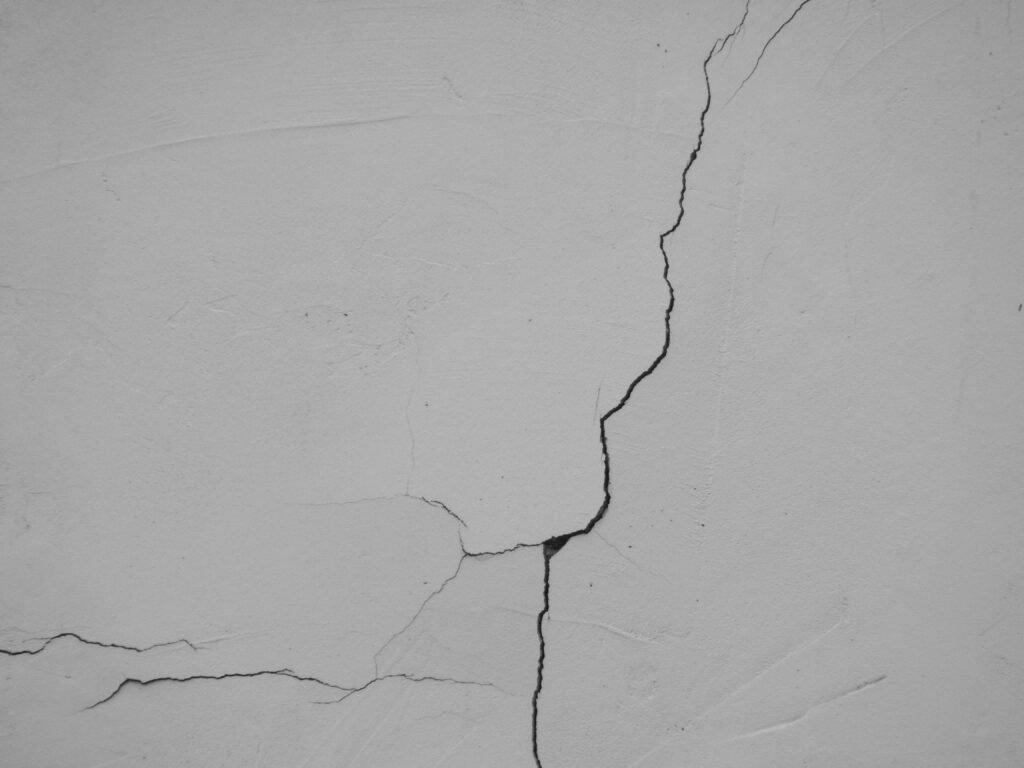
Basements often have more than one moisture condition at the same time. Humid indoor air can condense on cool surfaces. Minor seepage can appear at a mortar joint during heavy rain. A plumbing fitting can drip within a wall. A sump pump addresses only the water that reaches its basin and does not resolve humidity, air leaks, or unrelated plumbing issues. Foundation wall cracks, settlement, or visible structural changes fall outside the pump’s role. If there is active flooding, sewage, water near electrical equipment, or suspected equipment failure, seek qualified local or professional help instead of relying on general reading.
Sump Pump Discharge Context
Why Water Must Have a Path After Pumping
Moving water out of the basin solves only part of the challenge. Once the pump pushes water into the discharge pipe, that water needs a defined path away from the building. If a discharge arrangement allows water to return to the foundation area or create a nuisance, the pump may run repeatedly without reducing risk. Discharge is therefore a continuation of the system, not an afterthought. The arrangement must consider where water goes during normal conditions and heavier events, but the details of that path remain property-specific and subject to local requirements.
Local Requirements and Environmental Context Vary
Discharge rules differ by jurisdiction because infrastructure, climate, and environmental protections are not the same everywhere. In some places, the destination for pumped water is closely regulated to protect public systems and neighboring properties. In others, soil type, topography, and freeze patterns shape what is acceptable. Because there is no universal rule, a general resource cannot declare a single correct destination. Verifying discharge requirements with local authorities remains the reliable way to understand what is allowed in a specific area and to avoid unintended impacts on nearby properties or public infrastructure.
Why a General Article Cannot Specify One Discharge Arrangement
Home sites and drainage systems vary too much for a single discharge prescription. Soil conditions, grading, foundation type, and the way collection is built all influence what works. Local rules can also change over time. For these reasons, a general overview avoids naming distances, diameters, depths, or connection points. The right arrangement depends on local context and system design, not a universal formula. When discharge choices intersect with environmental rules or public utilities, local guidance provides the appropriate clarity.
Backup and Outage Context
Why Backup Context Comes Up
A primary sump pump depends on electrical power and on components that must operate when needed. Severe weather can interrupt power at the same time water is moving through a drainage system. That is why backup often enters the conversation. The idea is simple: if the primary pump cannot run, a secondary method could keep water moving out of the basin during that gap. This explanation is not a recommendation for a specific backup type; it acknowledges that loss of power and equipment condition are part of the system’s risk profile.
Backup Need Is Not Universal
Not every property has a sump system, and not every sump system includes backup features. Whether backup is relevant depends on how often water reaches the basin, how the system is used, local conditions, and what local rules allow. Some buildings experience very infrequent pump activity; others see seasonal cycles. Because the need for backup ties directly to site-specific risk and local considerations, a general article cannot declare whether backup is warranted for a particular home.
Equipment and Electrical Questions Need Local, System-Specific Context
Choices about power, wiring, and equipment depend on the building and on local requirements. An overview can explain that a pump needs power and that some systems include backup, but it cannot offer electrical instructions, configuration details, or replacement schedules. If there are concerns about electrical safety, suspected equipment failure, water near electrical equipment, or active flooding, qualified local or professional guidance is appropriate. That guidance accounts for the site, the system, and applicable rules.
Observing a Sump Pump System Without Diagnosing It
What to Notice About Basin and Pump Context
Simple observations can be useful without turning into a diagnosis. Start by noting whether a property has a basin and pump, and whether visible water patterns appear to align with dry weather, storms, or seasonal conditions. Be aware of whether the basin is covered, which affects debris control and safety considerations. These observations do not require operation of the system and do not confirm the water source, the state of hidden drains, or the adequacy of the discharge path. They provide context for later conversations.
Pattern Notes That Can Inform Later Conversations
Keeping basic notes can reveal patterns over time. Record when the pump runs, how long it runs, and what the recent weather was like. Links between cycles and rainfall, snowmelt, or saturated periods can help a later evaluation focus on the right questions. For instance, if the pump runs hours after rain ends, slower soil movement or broader collection may be involved. If the pump stays quiet during major storms, the system might be inactive that season or the collection path may be limited. These are clues, not conclusions, and they support a more informed discussion with a qualified local professional if concerns arise.
Conditions That Exceed General Education
Some situations call for prompt, qualified local or professional attention. Examples include active flooding, sewage in a basin or on the floor, water near electrical equipment, visible structural changes such as new cracks or displacement, or suspected equipment failure. Health, safety, and property protection take priority in these cases. A general article is not a flood-response plan, a plumbing inspection, an electrical plan, or a structural evaluation. Local guidance addresses higher-stakes concerns in a way that accounts for the building, the site, and applicable rules.
Frequently Asked Questions About Sump Pumps
Does every house need a sump pump?
No. Some homes do not include a sump system because their site and building design do not call for one. Others rely on exterior drainage and grading without interior collection. Even among homes with basements, needs vary widely based on soils, topography, climate, and how the drainage path is configured. Whether a sump system makes sense depends on the drainage design, the site, the building, and local rules. A general resource cannot state that a specific house should or should not have a sump pump.
Does a sump pump fix a wet basement?
A sump pump removes water from a basin. That action helps in a system where water is properly collected and directed to the low point. It does not, on its own, fix every basement moisture condition. Moisture can also come from air leaks, high indoor humidity, condensation on cool surfaces, or plumbing problems. Cracks and seepage paths in walls and slabs are separate concerns. A sump pump is part of a water management path rather than a universal cure. If there is active flooding, sewage, water near electrical equipment, or suspected equipment failure, seek qualified local or professional help.
Why might a sump pump run after rain?
Water can continue moving through soil and along drainage layers after rain ends. In some soils, that movement is slow, so a pump may cycle for hours or days after a storm. If a drainage system collects water from a broad area or from footings around a large footprint, the basin may receive delayed flows. Snowmelt and gradually rising groundwater can also keep a pump active. Post-rain operation is common and depends on site conditions and system layout. Running after rain does not, by itself, diagnose a problem.
Can a sump pump be related to foundation drainage?
Yes. In many systems, footing or perimeter drains route water toward a basin so a pump can remove it. In other cases, only part of the foundation connects to the basin or a local area drains to it. The presence of a pump does not prove the extent or condition of any drain tile, nor does it show whether exterior grading and gutters are optimal. Foundation drainage is the broader context in which the pump is one component. Its role is to move collected water out of the basin.
Does a sump pump discharge follow the same rules everywhere?
No. Discharge rules vary by jurisdiction and can change over time. Acceptable destinations, connection limits, and environmental protections are determined locally. Because there is no universal standard, a general overview cannot prescribe a discharge arrangement or measurements. Verifying requirements with local authorities is the correct way to understand what applies in a given area.
The Bottom Line on Sump Pumps
A sump pump serves a clear purpose: it moves water after that water collects in a sump pit or basin. In many homes, the basin receives water from footing or perimeter drains, sub-slab drainage, or a more limited local collection zone. The pump’s presence does not identify the original water source, confirm the extent of foundation drainage, or resolve every basement moisture condition. Its performance depends on the collection path that leads to the basin and on the discharge path that carries water away. Because drainage design, site conditions, building details, and local rules vary, system-specific conclusions require local context. If there is active flooding, sewage, water near electrical equipment, visible structural change, or suspected equipment failure, seek qualified local or professional guidance.