Key Takeaways
- A restoration scope often includes assessing conditions, documenting what is found, evaluating materials and contents, managing moisture and indoor conditions, considering safety context, and bringing in specialized expertise where needed.
- What the scope covers can shift with the water source, how long materials stayed wet, which materials and rooms are involved, the size of the affected area, and whether contamination or hidden moisture is likely.
- Sewage-impacted water and floodwater present a different hazard context than an ordinary clean-water leak inside a building.
- Stains, musty odors, swelling, peeling finishes, and recurring dampness are useful clues, yet no single clue confirms source, spread, or full extent by itself.
A puddle on the floor or a water line on drywall shows only the surface of a water incident. What tends to matter more is how moisture moves into materials, contents, and concealed cavities, and how long it lingers there. Water damage restoration addresses that broader condition. It considers where the water came from and its quality, how far it traveled, what it contacted, how long it remained, and what those factors mean for building materials, contents, and indoor conditions.
Restoration is a scope, not a promise of a perfect return. It is the coordinated set of evaluations and actions aimed at bringing wet or water-affected areas and items back to a stable, acceptable condition. Some materials can be cleaned and dried with minimal change. Others may stain, warp, delaminate, corrode, or otherwise alter with exposure, and the appropriate outcome for those items may be different.
This guide offers general context so you can see how scope is formed. It is not a cleanup manual, medical guidance, insurance advice, or a property-specific assessment. Every building and incident differ in source, spread, and materials. Where conditions are extensive, contaminated, recurring, or complex, a qualified professional assessment may be appropriate.
What Water Damage Restoration Means
A broad condition-management scope
In practice, water damage restoration goes well beyond removing visible water. Scope can involve understanding affected materials, documenting what was observed, managing moisture and indoor conditions, and considering structural elements, contents, heating, ventilation, and air conditioning (HVAC), safety, and practical access limits as they apply. Because buildings function as systems, the work may address assemblies as well as individual surfaces.
Documentation may record affected rooms and assemblies, apparent moisture sources, baseline conditions, measurements taken, and limits on what could be accessed. Material and contents evaluation recognizes that some items may dry or be cleaned yet retain cosmetic change, while others may not return to a previous appearance or performance.
Safety is a context decision in restoration. Ordinary clean-water leaks differ from sewage-impacted or floodwater incidents. Mold growth and dampness can affect materials and indoor conditions. Depending on the situation, specialized expertise may be relevant to evaluate contamination concerns, mechanical systems, or structural impacts, especially where the event is extensive.
The difference between restoration and correcting the source
Restoration addresses the condition created by water inside the building. Correcting the cause addresses how water entered and how to prevent it from happening again. Those are related but distinct tracks. A well-formed restoration scope will note and document apparent sources so they can be addressed, but the corrective work on a plumbing line, roof surface, exterior opening, drainage path, or appliance follows its own path. Managing the result without fixing the cause can allow moisture problems to recur. Fixing the cause without handling the result can leave wet materials and indoor conditions unaddressed.
Why Restoration Scope Can Change
The source and condition of the water
Water intrusion differs in both origin and condition. Water affected by drain lines, sewage, or flooding raises contamination questions that do not apply to a typical interior leak. Floodwater after disasters can carry infectious agents, hazardous chemicals, and debris. The source and condition of the water help establish the safety and material context for decisions.
The origin also shapes the questions to ask. A one-time spill is not the same as recurring roof or plumbing moisture, and condensation on cold surfaces points toward indoor humidity and temperature balance, not exterior liquid-water intrusion. Duration, spread, and the chance of concealed moisture can matter as much as the visibly wet area.
How long materials remained wet
Time is a major factor. The longer materials stay wet, the more opportunity there is for staining, swelling, delamination, corrosion, and mold growth. General public health guidance notes that drying wet areas and items within 24 to 48 hours can help reduce the potential for mold growth. That is not a guarantee or a universal timeline, but it underscores why restoration often emphasizes timely moisture management. Materials that were briefly damp may return to expected condition once dried. Materials that remained wet for days often show more change and may call for different handling or replacement decisions within the overall scope.
Which materials and areas are affected
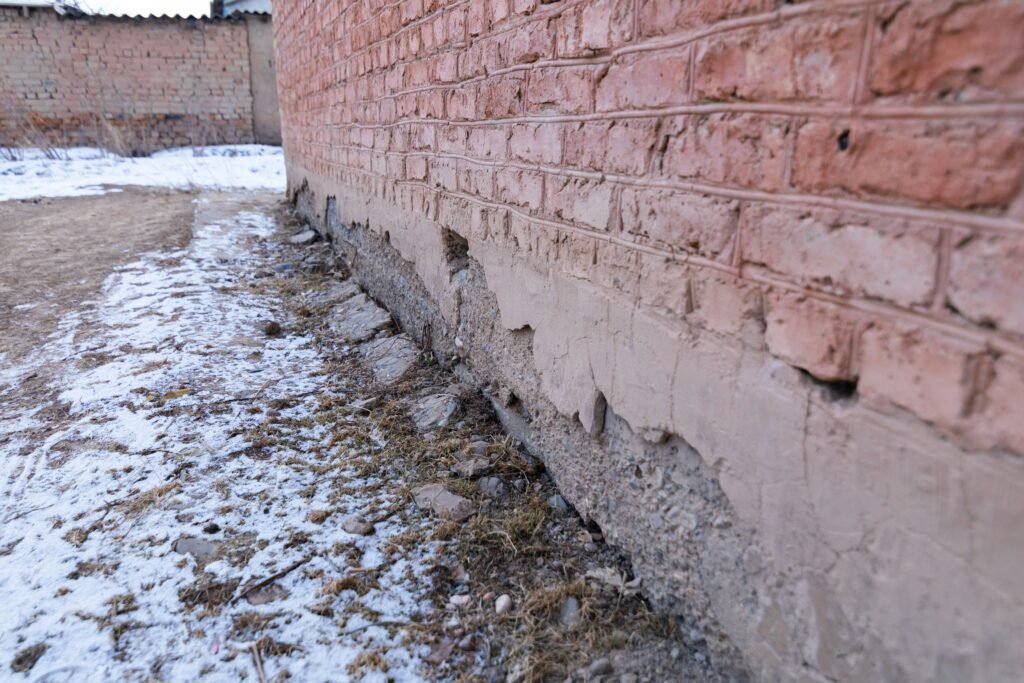
Wood, engineered products, drywall, insulation, floor finishes, masonry, cabinets, soft goods, and contents respond differently to water. Some absorb or hold moisture, while others can swell, warp, weaken, delaminate, blister, corrode, or retain odors. Carpeting with a separate pad behaves differently from solid hardwood; medium-density fiberboard cabinets and laminate flooring are more prone to swelling than masonry or tile. The material mix, assembly, and location guide what restoration must evaluate.
What cannot be seen from the surface
A dry-looking surface does not guarantee that the entire assembly is dry. Moisture can move and persist through liquid flow, air movement, and vapor diffusion. Water can travel under flooring, wick up interior wall surfaces, or collect in ceiling cavities far from the visible spill. Layers and cavities can slow drying even when outer surfaces feel dry to the touch. Restoration scope often accounts for these hidden paths and reservoirs by considering building assemblies and the mechanisms that move moisture. For that reason, apparent size from the surface is not a reliable guide to the full condition.
Common Sources of Water Damage
Water intrusion can begin with plumbing or appliance issues, roof or exterior-opening moisture, foundation or groundwater context, condensation or elevated indoor humidity, and storm or flood events. Each category raises different questions about source, spread, contamination context, affected materials, and whether wetting is isolated or recurring.
A supply-line leak, for example, presents a different context than an intermittent roof leak, a damp below-grade area, or floodwater that entered during a storm. This article cannot determine the source of an individual incident. The point is that the origin and condition of the water shape the restoration questions.
What People May Notice After Water Intrusion
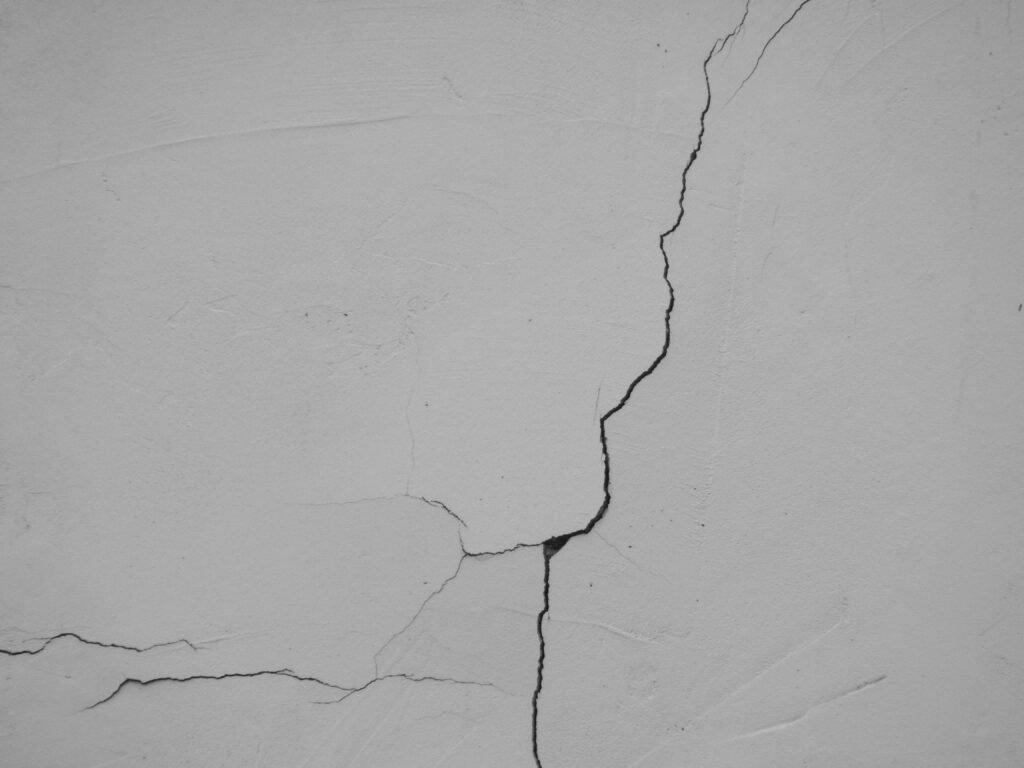
Stains or discoloration on ceilings, walls, or trim can suggest past or current wetting, though a stain does not always mark the entry point. Musty odors can be associated with damp materials or mold growth, yet odors can travel and change with ventilation, so they do not prove a source or full extent. Recurring dampness near openings, around plumbing, or in below-grade areas is a useful context.
Other clues include swelling, warping, softened drywall, bubbling paint, peeling coatings, corrosion, and changes in stored contents. None of these signs identifies a specific cause by itself. Taken together, they help frame questions about source, duration, affected materials, and the possibility of moisture within assemblies.
The Major Areas a Restoration Scope May Address
Assessment and documentation context
Scope commonly begins with the apparent source, timing, affected rooms, accessible assemblies, visible conditions, and limits of the initial observation. Notes, photographs, and measurements help create a clear picture of the incident without assuming an outcome.
Materials and building-assembly context
Walls, floors, ceilings, cabinets, contents, and mechanical components consist of layers that may respond differently to wetting. Absorbency, location, water condition, time wet, construction details, and accessibility influence the questions that need evaluation.
Moisture and indoor-condition context
Moisture problems occur when wetting outpaces drying. Liquid water, air transport, and vapor movement can all matter, while climate, season, relative humidity, and building use influence the larger condition. The goal of a restoration scope is stable, acceptable building and indoor conditions, not a promised identical appearance for every affected item.
Safety and contamination context
Floodwater, sewage-impacted water, electrical hazards, mold growth, and significant deterioration change the safety context. In complex incidents, evaluation may require different expertise for building, mechanical, or structural questions, and for contents that may be affected.
When Professional Assessment May Be Appropriate
Some conditions call for qualified evaluation because scope, hazards, or complexity exceed basic observation. Examples include extensive water damage across multiple rooms or levels, water that may be contaminated, ongoing or recurring moisture where the source is unclear, suspected concealed moisture within assemblies, widespread mold growth, or concerns that HVAC systems or ductwork have been contacted or may be distributing moisture or mold. Noticeable deterioration such as sagging ceilings, compromised flooring, or significant warping merits careful attention. Occupants with health concerns related to dampness or mold should consult a health professional. The appropriate assessment can involve different specialties, including building restoration professionals, licensed trades, or other consultants. Because each property and incident are unique, this guide cannot establish the right scope for a specific building.
Water Damage Restoration, Repair, and Prevention Are Related but Different
Restoration addresses the condition after a water event, including effects on materials, contents, assemblies, and indoor conditions. Repair addresses a component or cause that allowed water to enter. Prevention addresses future moisture entry or accumulation. In practice these categories can overlap, but they describe different objectives and do not imply a fixed work sequence.
Frequently Asked Questions
What does water damage restoration include?
Restoration is a scope that can include assessing and documenting affected areas, evaluating building materials and contents, managing moisture and indoor conditions, addressing structural and HVAC considerations as relevant, and incorporating safety and contamination context. It also recognizes limits and sets reasonable goals for returning areas and items to acceptable condition. Specifics vary with the source and condition of the water, how long materials were wet, the extent of spread, and the types of materials and assemblies involved.
Does visible water show the full scope of damage?
Not always. Moisture can move under floors, into walls and ceilings, and through layers that are not immediately visible. It can travel by liquid flow, air movement, and vapor diffusion. A dry surface can sit above a damp cavity, and a small stain can be the visible sign of a larger path. That is why restoration scopes consider concealed assemblies, not just what can be seen or felt at the surface.
Why can floodwater change the restoration conversation?
Floodwater and standing water after disasters can carry contaminants, hazardous chemicals, and debris, and may be associated with other hazards. This changes the safety context for people, materials, and contents. It can also broaden the set of building systems and assemblies that need evaluation. In flood-prone areas, there may be community or program requirements beyond ordinary interior leak scenarios.
Can a musty odor be a sign of moisture?
Yes. Musty or earthy odors can indicate damp materials or mold growth, though odors can travel and intensify in closed spaces and do not prove a specific source or extent. Because mold can grow on wet or damp indoor surfaces and some people may experience allergic or irritant responses, controlling moisture and addressing dampness are central. People with health concerns should consult a health professional.
When may water damage call for professional evaluation?
Situations that may merit qualified assessment include extensive water damage, water that may be contaminated, ongoing or recurring moisture without a clear source, suspected hidden moisture in assemblies, widespread mold, concerns about HVAC involvement, and visible deterioration that raises structural or safety questions. The right expertise depends on the building and the incident, and this guide cannot set a single scope for all properties.
The Bottom Line
Water damage restoration is not a single task. It is a scope shaped by the source and condition of the water, how long materials stayed wet, which materials and areas are affected, and the safety or contamination context. Visible signs help, but they do not always reveal the full condition within assemblies. General information can help you frame the right questions. A specific property and incident require an appropriate site-specific assessment to determine the right scope.