
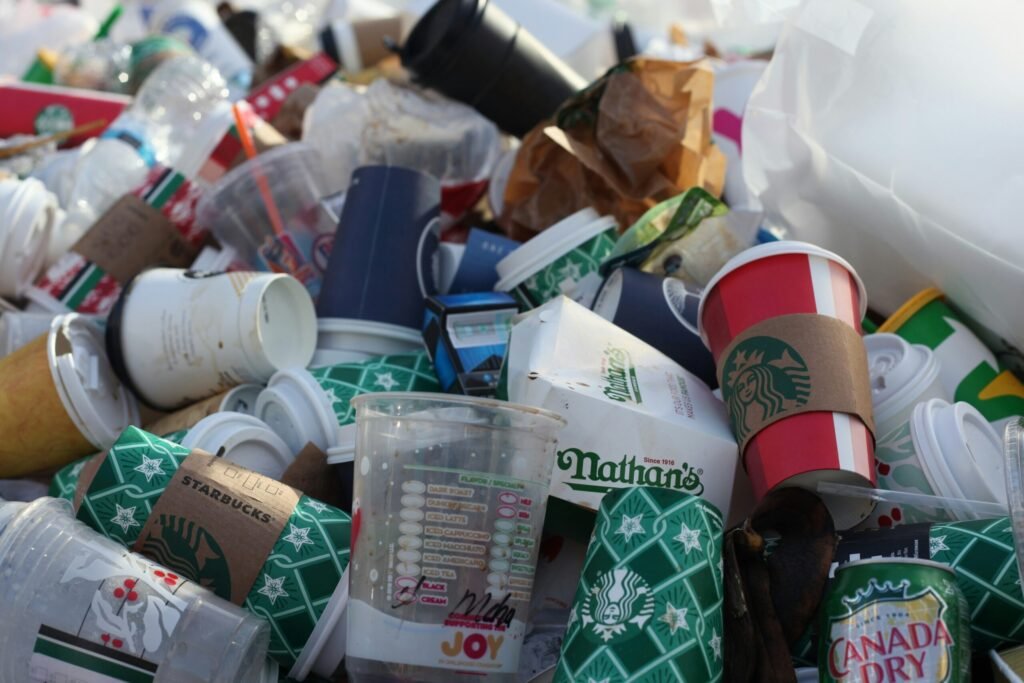
Every household contains products that can become dangerous if not handled or discarded properly. Common examples include cleaning supplies, leftover paint, batteries, automotive oils, and garden pesticides. These materials are classified as household hazardous waste (HHW) because of the risks they pose to human health and the environment when they are not disposed of properly.
Improper hazardous waste disposal can lead to soil and water pollution, injury to sanitation workers, and even fires. Unlike regular waste, hazardous waste cannot be tossed in your household bin or a typical dumpster. In fact, dumpster rental services often prohibit these materials due to strict regulations around their disposal. In this blog, we’ll explore eco-friendly, safe, and responsible ways to manage hazardous waste at home and minimize its impact.
What Counts as Household Hazardous Waste?
HHW includes products used in daily life that can be dangerous when disposed of improperly. These items often contain chemicals that are toxic, flammable, corrosive, or reactive. Identifying what qualifies as hazardous waste is important not only for compliance but also for safety. Misidentifying such items can lead to improper disposal, which poses long-term risks.
Some common HHWs include:
- Paints and paint thinners
- Pesticides and herbicides
- Motor oil and antifreeze
- Household cleaners and disinfectants
- Fluorescent lamps
- Batteries (especially lithium-ion)
- Electronics (E-Waste)
- Nail polish remover and certain cosmetics
Recognizing what these products are and understanding the hazards can be the first step towards responsible disposal. Many of these hazardous items are frequently used, and we typically toss them in the garage, under the sink, or some utility area without a second thought.
Why Hazardous Waste Needs Special Disposal
Disposal of hazardous waste needs to be done correctly to protect human health and the environment. In this section, we will discuss some of the hazards and impacts of not disposing of hazardous waste and why disposing of hazardous waste in a dumpster rental is not an appropriate option.
Risks to Health and Environment
Disposal of hazardous waste in an improper way can lead to serious health and environmental issues. For instance, chemicals may leach into groundwater, disrupt sewage treatment systems, or harm aquatic life. There have been multiple reports of garbage truck fires caused by improperly discarded lithium batteries. Children and pets are especially vulnerable to exposure, which can result in burns, poisoning, or respiratory issues.
Why Regular Dumpster Rentals Aren’t Enough
Most dumpster rental companies have strict policies against throwing away items like paint, oil, herbicides, or pesticides due to the safety risk during transport and at landfills or incineration. This is due to safety risks during transport and at landfill or incineration sites. Renting a dumpster for hazardous waste is not allowed due to regulations set by the Environmental Protection Agency (EPA). When someone violates these guidelines, it can result in additional fees or legal penalties.
How to Store Hazardous Waste Safely at Home
Before we can get rid of hazardous waste, we need to store it safely to prevent accidents before disposal, and also to mitigate the effects on the environment. In this section, we will provide a few guidelines about storage and proper handling of hazardous waste, especially if you need to store it.
Best Practices for Storage
- Keep hazardous materials in their original containers with labels left intact.
- Store in a cool, dry area, out of reach of children and pets.
- Avoid storing hazardous materials together, since combining various types of hazardous wastes can lead to dangerous reactions.
- Use trays or plastic bins to collect any accidental spillages or leaks.
- Do not store items near heaters or other heat sources, or open flames.
These precautions help prevent accidental exposure and make transportation to disposal sites safer. You may want to consider marking storage areas so that everyone in your household knows what is stored there.
Protective Measures While Handling Hazardous Waste
- Wear protective gear such as gloves, masks, and goggles.
- Ensure proper ventilation when using hazardous products.
- Follow the manufacturer’s instructions for use and disposal.
- Avoid eating, drinking, or smoking while handling hazardous materials.
By following these simple precautions, you will reduce the health risks that are associated with hazardous materials and minimize spills or injuries.
Eco-Friendly Alternatives to Reduce Hazardous Waste
Minimizing the use of hazardous products in the home can significantly lessen the amount of hazardous waste produced. This section discusses eco-friendly alternatives along with smart purchasing decisions to help reduce the reliance on toxic products in the home.
Switch to Greener Household Products
Choose natural cleaning agents like vinegar and baking soda. Use essential oils for pest control instead of chemical pesticides. These options are safer for human health and the environment. Products labeled “biodegradable,” “non-toxic,” or certified by the EPA’s Safer Choice program are great substitutes.
Smart Buying and Usage Habits
- Purchase hazardous products in small quantities to avoid leftovers.
- Use existing products completely before buying new ones.
- Choose products with eco-friendly certifications.
- Share surplus materials with neighbors or local community groups instead of disposing of them.
These approaches can lessen hazardous waste and create a safer home while saving you money in the long run.
Approved Disposal Methods That Actually Work
Hazardous waste disposal needs to be done appropriately. Below are approved methods and resources for safe disposal that work.
Local Hazardous Waste Collection Programs
Many municipalities will have HHW collection programs or designated treatment and shipping facilities. These facilities will accept hazardous items such as motor oil, solvents, and chemicals that either need to be disposed of or treated for recycling. It is advised to call ahead to confirm accepted items and any prep instructions for disposal.
Drop-Off Points for Specific Items
Retailers such as hardware stores or electronic service organizations have a takeback program for items such as batteries, bulbs, and electronics. Auto parts stores may accept used batteries from vehicles. These services are often free and can be found using your city’s recycling directory.
What to Ask Your Waste Provider
When arranging hazardous waste pickup, ask about:
- Whether they will accept certain hazardous materials
- Whether they provide a special service for the disposal of hazardous materials
- What are the steps you need to take to prepare hazardous waste for pickup
- Whether they will provide documentation or labels.
Understanding these disposal requirements will ensure you legally comply and are safe in your disposal practices. If your local provider refuses to pick up hazardous waste, they may be able to refer you to a certified disposal company.
What Not to Do with Hazardous Waste
Some practices to avoid are:
- Pouring hazardous waste down the drain or toilet
- Throwing it in regular trash or dumpsters
- Burning or burying materials that are hazardous
- Storing hazardous waste indefinitely
These practices can lead to environmental contamination, health hazards, or even legal consequences.
Help Your Community Stay Safe and Sustainable
Community engagement can improve the effectiveness of managing hazardous waste. This section will provide an overview of how you can help spread awareness of safe disposal practices where you live.
Join or Promote Community Disposal Events
Get involved in local hazardous waste collection events to ensure safe disposal and help raise community awareness, volunteer, and collaborate with local councils to organize drop-off days.
Educate Your Neighbors and Community
Share information about methods of safe disposal for hazardous waste. Encourage your community to practice environmentally sound strategies and solutions for waste disposal. Even small tasks like helping a neighbor dispose of old paint cans can lead to larger changes when done collectively.
Key Takeaways
Identifying and managing how we take care of household hazardous waste is an important aspect of health and environmental safety. By being able to label hazardous products outside our homes, storing them correctly, decreasing our use when practical by choosing eco-friendly products, and using approved and special disposal methods when discarding hazardous products, we can create positive change.