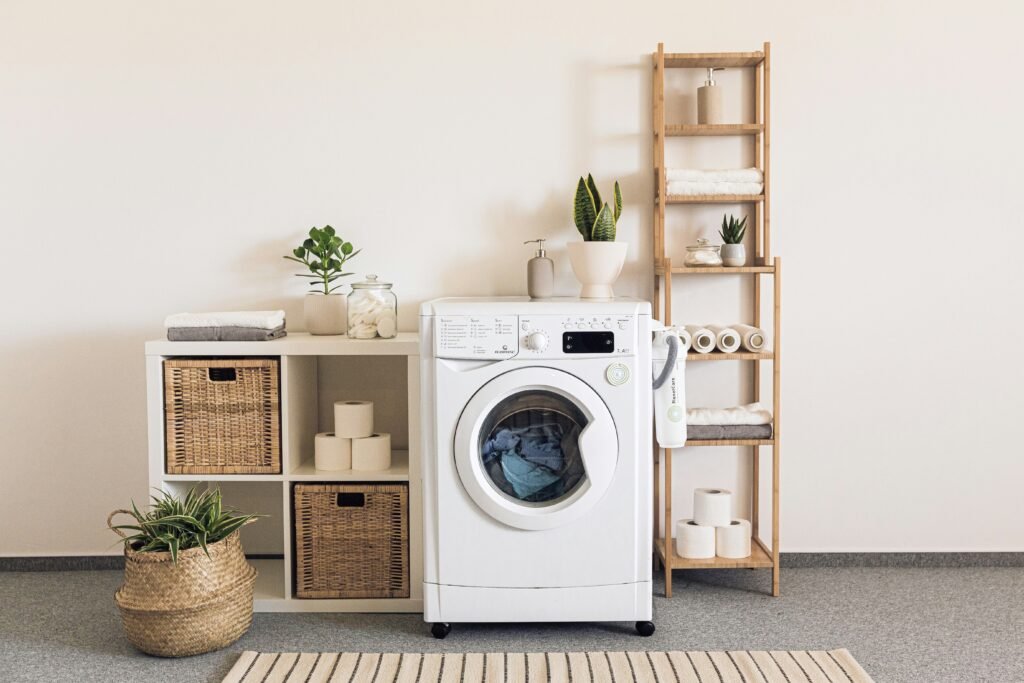
The laundry room is often the hardest working space in the house, yet it frequently becomes a dumping ground for stray socks, bulk paper towels, and everything in between. When this space is chaotic, the chore of doing laundry becomes exponentially more frustrating. A functional system changes the entire dynamic of the room.
The Quick Rundown
- Edit ruthlessly: Remove anything that does not belong in the laundry room before buying containers.
- Zone your space: Separate washing, drying, folding, and utility storage into distinct areas.
- Go vertical: Use wall space up to the ceiling for items you use less frequently.
- Decant supplies: Move powders and pods into clear containers to monitor inventory levels.
- Hide the ugly: Use baskets and bins to conceal brightly colored packaging and miscellaneous items.
- Use the doors: Over-the-door racks add instant storage for cleaning supplies.
- Add a folding station: Even a small drop-down table provides a dedicated spot for clean clothes.
- Keep a trash bin handy: A small bin for lint and tags saves endless trips to the kitchen.
Start With a Clean Slate
Before purchasing a single basket or bin, the room needs a complete reset. Pull every item out of the cabinets, off the shelves, and off the top of the machines.
Sort everything into piles. Group laundry detergents, stain removers, cleaning supplies, and utility items. Discard empty bottles, expired products, and items that belong in the garage or bathroom. The goal is to reduce the volume of items competing for space. Only keep what you actively use for laundry and basic household cleaning.
Establish Clear Zones
A well-organized laundry room operates like a commercial kitchen. It needs specific zones for specific tasks.
The Wash Zone: Keep detergent, fabric softener, and stain removers immediately adjacent to the washing machine. If you have front loaders, a shelf directly above the machines is the ideal spot. For top loaders, a cart wedged between the machines or a wall-mounted shelf works well.
The Dry Zone: Store dryer sheets, wool dryer balls, and lint rollers near the dryer. Keep a small trash can within arm’s reach for lint trap debris and pocket trash.
The Fold Zone: A flat surface is necessary for folding clothes as they come out of the dryer. If you have front-loading machines, installing a countertop over them creates a seamless folding station. In tighter spaces, a wall-mounted drop-leaf table provides a temporary surface that folds flat when not in use.
The Utility Zone: Designate a specific cabinet or high shelf for household cleaning supplies, batteries, and lightbulbs. Keep these items separate from the laundry supplies to prevent confusion and keep hazardous materials out of reach of children.
Maximize Vertical Space
When square footage is limited, the only way to go is up. Look at the space above the machines and the doors.
Install shelving that reaches the ceiling. Store seasonal items, bulk paper goods, or rarely used cleaning supplies on the highest shelves. Keep a step stool tucked beside the washing machine to access these items safely.
If cabinets are not an option, floating shelves provide a clean, open look. Use sturdy brackets and confirm they are anchored into wall studs to support the weight of heavy liquid detergents.
The Power of Decanting
Brightly colored plastic jugs and cardboard boxes create visual noise. Decanting supplies into uniform containers instantly elevates the look of the room.
Transfer laundry pods, scent boosters, and powder detergents into clear glass or acrylic jars. This makes the space look cohesive and allows you to see exactly when you are running low on supplies. Use glass drink dispensers with spigots for liquid detergents and softeners. Place them on a tray to catch any drips.
Label every container clearly. Use a label maker, vinyl decals, or simple chalk tags. Consistent labeling ensures everyone in the household knows where items belong and what each container holds.
Conceal the Clutter
Not everything can or should be decanted. Baskets and bins are the solution for concealing the remaining items.
Use woven baskets, wire bins with canvas liners, or opaque plastic containers to hide cleaning rags, iron cords, and backup supplies. Group similar items together in one bin. For example, dedicate one basket entirely to stain removal products and another to pet supplies.
When selecting baskets, measure your shelf dimensions carefully. Choose containers that maximize the depth and height of the shelf without overhanging. Square or rectangular bins waste less space than round baskets.
Utilize the Doors
The back of the laundry room door is prime real estate. An over-the-door organizer can hold a massive amount of supplies without taking up any floor space.
Use a track system with adjustable baskets to hold spray bottles, lint rollers, and small tools. If you have cabinet doors, attach small acrylic bins to the inside to hold sponges, scrub brushes, or laundry machine cleaning tablets.
Solutions for Small Spaces
Small laundry rooms require creative thinking. When you barely have room to open the washer door, every inch matters.
Slim Rolling Carts: A narrow cart designed to fit between the washer and dryer can hold all your daily laundry supplies. Pull it out when needed and slide it out of sight when done.
Wall-Mounted Drying Racks: Instead of a bulky freestanding drying rack, install an accordion-style rack on the wall. It pulls out when you have delicates to dry and pushes flat against the wall afterward.
Retractable Clotheslines: A retractable clothesline installed across the room provides ample hanging space and disappears completely into its housing when not in use.
Ironing Board Storage: Hang the ironing board on the wall or the back of the door using a heavy-duty hook. Some organizers include a shelf above the hooks to hold the iron and starch.
Expert Organization Strategies
Professionals approach laundry room organization with specific goals in mind. Liz Goldberg, Founder of CAROLINE, recommends keeping the countertops completely clear of clutter to maintain a serene environment. Store everything in closed cabinets or uniform baskets.
Ashley Macuga of Collected Interiors suggests using the laundry room to store bulky household items that do not fit elsewhere, provided they are neatly contained. Large woven baskets on high shelves can hide paper towels, extra light bulbs, and vacuum attachments.
Kristen Peña of K Interiors emphasizes the importance of good lighting. A well-lit laundry room feels larger and cleaner. Swap out a standard flush mount for a brighter fixture or add under-cabinet lighting to illuminate the folding area.
The Lost Sock Solution
Stray socks are a universal laundry problem. Create a dedicated spot for them so they do not end up piled on top of the dryer.
Mount a small basket on the wall or place a designated jar on the shelf. When a sock emerges from the dryer without its mate, toss it in the bin. Once a month, review the contents. If a match has not appeared, discard the single sock.
Maintaining the System
An organized laundry room only stays that way if you maintain the system.
Wipe down the machines and the folding counter weekly. Empty the lint trash can before it overflows. When you buy bulk supplies, decant them immediately and break down the cardboard boxes for recycling.
A functional laundry room makes the chore of washing clothes significantly less burdensome. By establishing clear zones, utilizing vertical space, and containing the clutter, you create a space that works efficiently and looks cohesive.
Budget-Friendly Laundry Room Organization Ideas
You do not need a massive budget to create an organized laundry room. Some of the most effective solutions cost very little.
Repurpose Household Items: Before buying new containers, shop your own home. Mason jars left over from the kitchen are perfect for holding clothespins or loose change found in pockets. An old magazine file holder works exceptionally well for storing a small ironing board or a collection of lint rollers. A shower caddy hung over the side of a wire shelf creates instant storage for stain sticks and small scrub brushes.
DIY Shelving: If custom cabinetry is out of the budget, simple DIY shelving offers the same functional benefits at a fraction of the cost. Purchase basic pine boards from a hardware store, paint them to match your trim, and mount them using inexpensive metal brackets. This approach allows you to customize the shelf height precisely to fit your tallest detergent bottles.
Tension Rod Tricks: A simple, inexpensive tension rod installed between two upper cabinets provides an immediate spot to hang damp clothes or freshly ironed shirts. You can also install a tension rod underneath a sink cabinet to hang spray bottles by their triggers, freeing up the floor space below for larger items.
Dollar Store Bins: The dollar store is a treasure trove for organizational supplies. Look for uniform plastic bins to corral cleaning supplies. Even if the bins themselves are not aesthetically pleasing, they hide the clutter. You can easily upgrade their appearance by adding custom labels or painting them a uniform color.
The Best Products for Laundry Room Organization
While you can organize a laundry room on a shoestring budget, certain products consistently prove their worth. Here are a few items that professional organizers frequently recommend for this space.
Airtight Glass Canisters: Products like the OXO Good Grips POP Containers or simple Anchor Hocking glass jars are ideal for decanting powder detergents and scent boosters. They keep moisture out and allow you to see exactly how much product remains.
Turntables (Lazy Susans): A lazy Susan is invaluable in a deep cabinet or the corner of an L-shaped shelf. Instead of knocking over bottles to reach the stain remover in the back, you simply spin the turntable. Look for models with a slight lip to prevent bottles from flying off when spun quickly.
Slim Rolling Carts: Brands like SimpleHouseware make narrow, tiered carts designed specifically to slide into the small gap between a washer and dryer. These are perfect for holding daily-use items in a space that would otherwise be wasted.
Over-the-Door Organizers: The Elfa Utility Door & Wall Rack system from The Container Store is a favorite among organizers because it is highly customizable. You can adjust the baskets to fit tall spray bottles or small boxes of dryer sheets, transforming the back of a door into a massive storage area.
Collapsible Laundry Baskets: If you have limited floor space, a rigid laundry basket is a nuisance when not in use. Collapsible silicone or fabric baskets fold completely flat, allowing you to slide them beside the washing machine or hang them on a hook until needed.
Common Laundry Room Organization Mistakes
Even with the best intentions, it is easy to make mistakes when organizing a laundry room. Avoid these common pitfalls to keep your system intact.
Mistake 1: Storing Heavy Items Up High: Liquid laundry detergent is incredibly heavy. Storing a massive jug on a top shelf is highly inconvenient and genuinely dangerous. Keep heavy liquids on lower shelves or on a sturdy cart between the machines. Reserve the high shelves for lightweight items like paper towels or extra sponges.
Mistake 2: Buying Containers Before Purging: The most common organizing mistake is buying a cart full of matching bins before deciding what needs to be stored. You often end up with bins that are the wrong size or shape for your supplies. Always purge, sort, and measure before purchasing any organizational products.
Mistake 3: Ignoring the Back of the Door: In a small room, every vertical surface is valuable. Leaving the back of the door blank is a missed opportunity for storage. An over-the-door rack can hold nearly all your cleaning supplies, freeing up cabinet space for bulkier items.
Mistake 4: Mixing Laundry and Cleaning Supplies: While it makes sense to store household cleaning supplies in the utility room, they should not be mixed randomly with laundry products. Keep laundry items in the “Wash Zone” and dedicate a separate shelf or cabinet entirely to general household cleaners. This prevents you from accidentally grabbing bleach when you wanted fabric softener.
Mistake 5: Failing to Label: Decanting supplies into beautiful glass jars looks great, but if you do not label them, confusion will inevitably follow. Is that white powder laundry detergent, baking soda, or OxiClean? Clear labels eliminate the guesswork and guarantee everyone in the household uses the correct products.
Mistake 6: Overcomplicating the System: An organizational system only works if it is easy to maintain. If putting away a bottle of detergent requires moving three other items and unlatching a complicated bin, you will eventually stop doing it. Keep the system simple. Use open bins for items you grab daily and reserve lidded containers for long-term storage.
Mistake 7: Forgetting a Trash Can: The laundry room generates a surprising amount of trash: dryer lint, empty detergent bottles, tags from new clothes, and receipts found in pockets. If you do not have a small trash can in the room, that debris will end up sitting on top of the dryer. A simple, small bin solves the problem immediately.
Renters and Shared Spaces
Organizing a laundry room presents unique challenges if you are renting or sharing the space.
For Renters: When you cannot drill holes in the walls or paint the cabinets, you must rely on freestanding and temporary solutions. Over-the-door organizers are essential here. Freestanding wire shelving units provide massive storage capacity without requiring any wall anchors. Use removable adhesive hooks, like Command Hooks, to hang ironing boards or drying racks. If the existing cabinets are unsightly, use removable contact paper or simply remove the doors entirely and use attractive baskets to store your items on the open shelves.
For Shared Spaces: If your laundry room also serves as a mudroom, pantry, or home office, clear zoning is critical. Use physical dividers, like a tall shelving unit or even a curtain, to separate the laundry area from the rest of the room. Assign specific cabinets or shelves to specific functions. For example, the left side of the room is strictly for laundry, while the right side is for pantry overflow. Color-coding can also help maintain boundaries in a shared space.
The Daily Maintenance Routine
The secret to a permanently organized laundry room is a simple daily maintenance routine. It takes less than five minutes but prevents the room from ever reverting into a state of chaos.
Every time you finish a load of laundry, wipe down the top of the machines and the folding counter. Empty the lint trap and the small trash bin immediately. Put all detergents and stain removers back in their designated spots. If you notice a supply is running low, add it to your shopping list right then.
By committing to this quick daily reset, your laundry room will always be ready for the next load, and the chore of doing laundry will feel significantly less burdensome.