
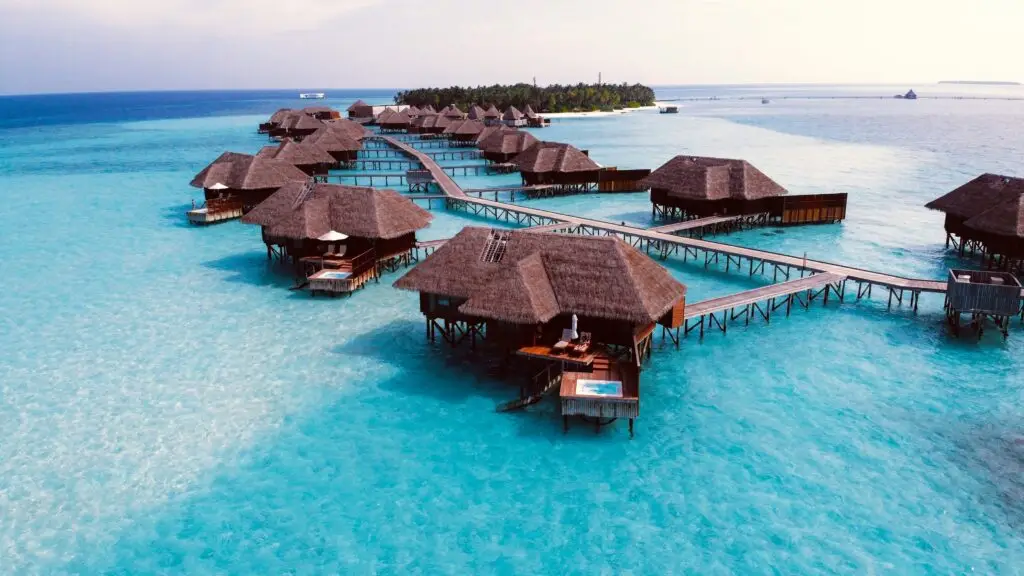
Imagine waking up to the gentle ripple of water beneath your feet, the horizon painted with soft morning light, and complete privacy as you sip your morning coffee on a deck that seemingly floats in the middle of a lagoon. Huts on the water, or overwater bungalows, offer travelers an unparalleled experience of serenity, luxury, and connection with nature. In 2026, these unique accommodations are more popular than ever, attracting honeymooners, adventurers, and eco-conscious travelers alike.
This guide highlights the top 10 stunning huts on the water worldwide, including their locations, design features, amenities, and experiences, ensuring you can plan your dream stay with confidence.
What Makes a Hut on the Water Stunning
Not all huts on water are created equal. A truly stunning water hut combines several elements:
- Scenic Surroundings: Crystal-clear waters, lush greenery, or breathtaking fjords.
- Unique Architecture: From traditional thatched roofs to modern glass-bottom designs.
- Comfort and Amenities: Private decks, infinity pools, or direct water access.
- Privacy and Exclusivity: Peaceful, secluded experiences far from crowded resorts.
Criteria for Selection
To compile our list, we focused on:
- Visual Appeal: The hut’s location and integration with nature.
- Architectural Innovation: Unique design and craftsmanship.
- Guest Experience: Comfort, luxury, and memorable activities.
- Sustainability: Eco-friendly construction and practices whenever possible.
Top 10 Stunning Huts on the Water
1. Bora Bora, French Polynesia – Luxury Overwater Bungalows
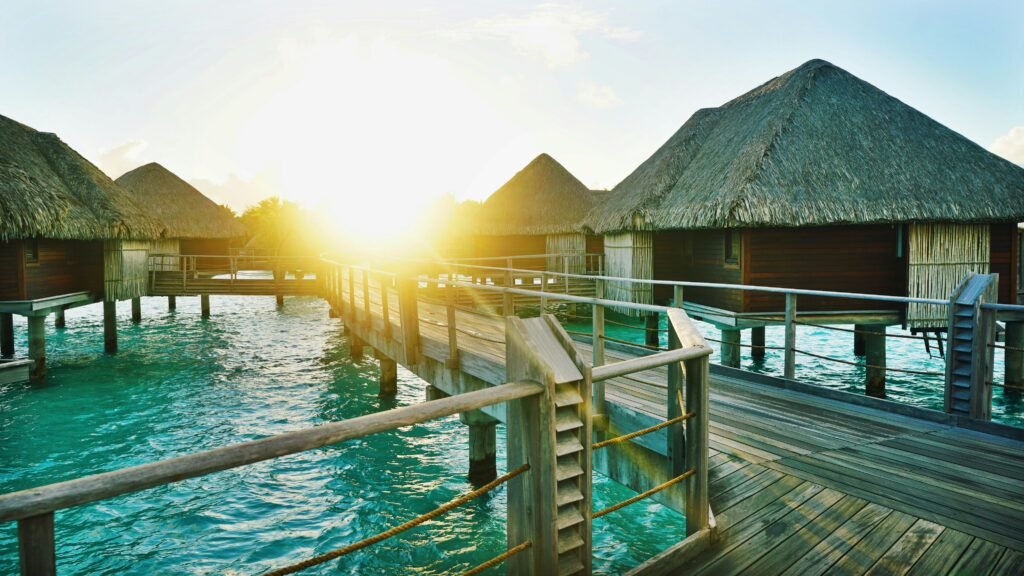
Design & Architecture: Iconic overwater bungalows with thatched roofs and wooden decks.
Amenities: Glass floors, plunge pools, outdoor showers, and panoramic views of Mount Otemanu.
Experience: Snorkeling in coral gardens directly from your deck, romantic sunsets, and Polynesian dining.
Why It’s Unique: Bora Bora’s turquoise lagoons are unmatched, and the overwater bungalows epitomize luxury.
2. Maldives – Private Water Villas
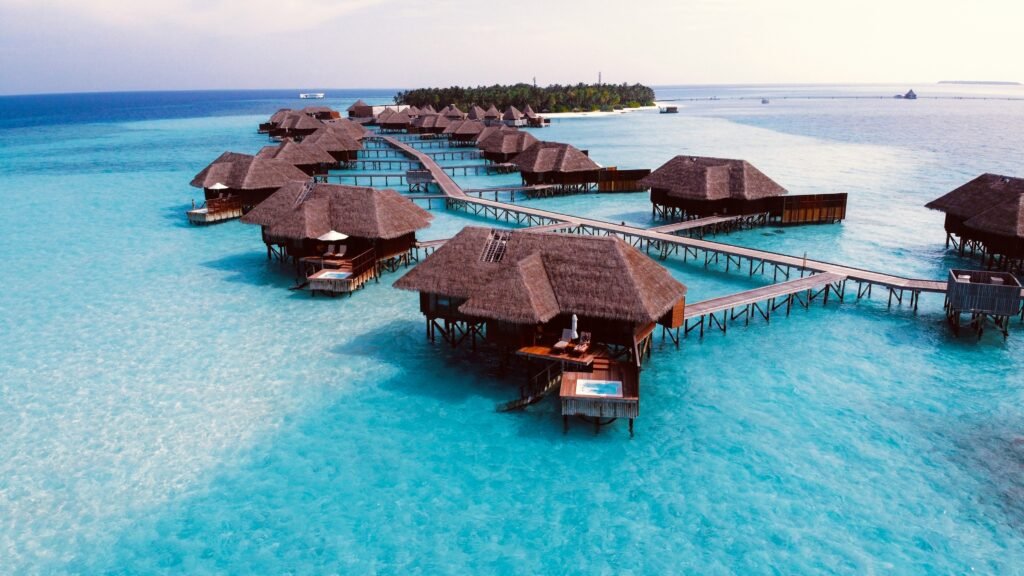
Design & Architecture: Modern villas with sleek wood finishes, infinity pools, and glass panels.
Amenities: Private beaches, direct lagoon access, in-villa dining, and spa services.
Experience: Diving, sunset cruises, and star-gazing from the deck.
Why It’s Unique: The Maldives offers hundreds of overwater huts with the perfect combination of privacy and luxury.
3. Krabi, Thailand – Floating Huts
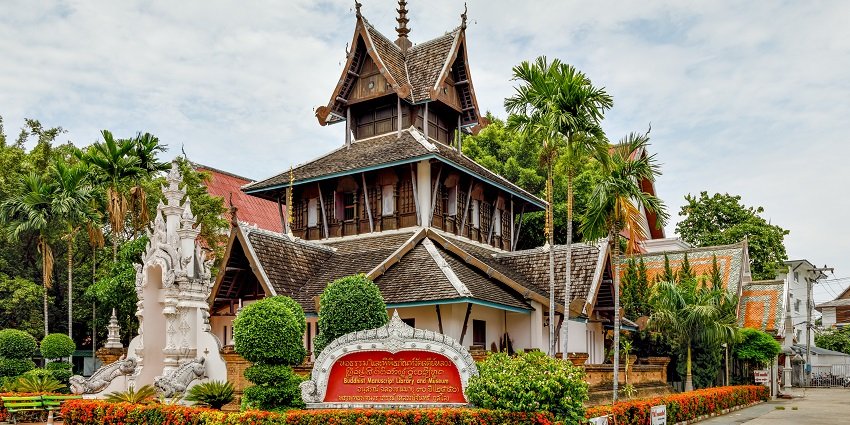
Design & Architecture: Traditional Thai-style huts with bamboo and wooden elements over calm lagoons.
Amenities: Hammocks, rooftop terraces, and Thai-style outdoor furniture.
Experience: Kayaking, island hopping, and exploring limestone cliffs.
Why It’s Unique: Cultural immersion with authentic Thai architecture and tropical surroundings.
4. Fiji – Eco-Friendly Overwater Cabins
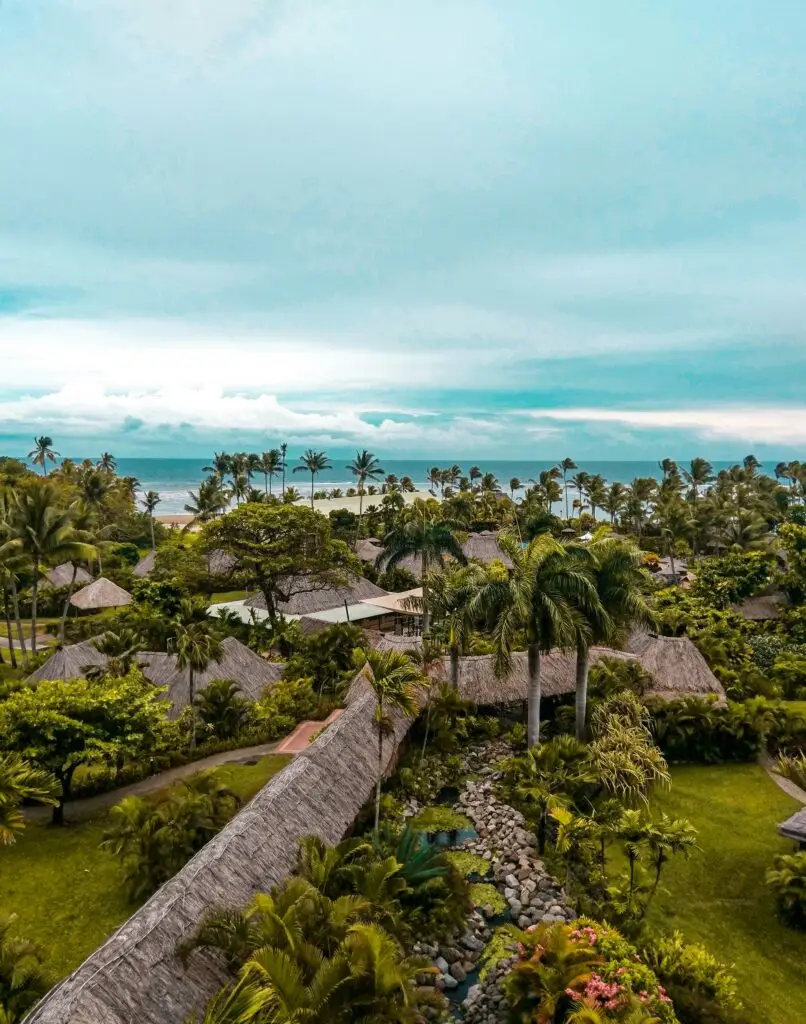
Design & Architecture: Bamboo huts with thatched roofs and sustainable construction.
Amenities: Solar energy, natural ventilation, and composting toilets.
Experience: Snorkeling with tropical fish, cultural village visits, and eco-tours.
Why It’s Unique: Combines luxury with eco-conscious living.
5. Bali, Indonesia – Floating Villas
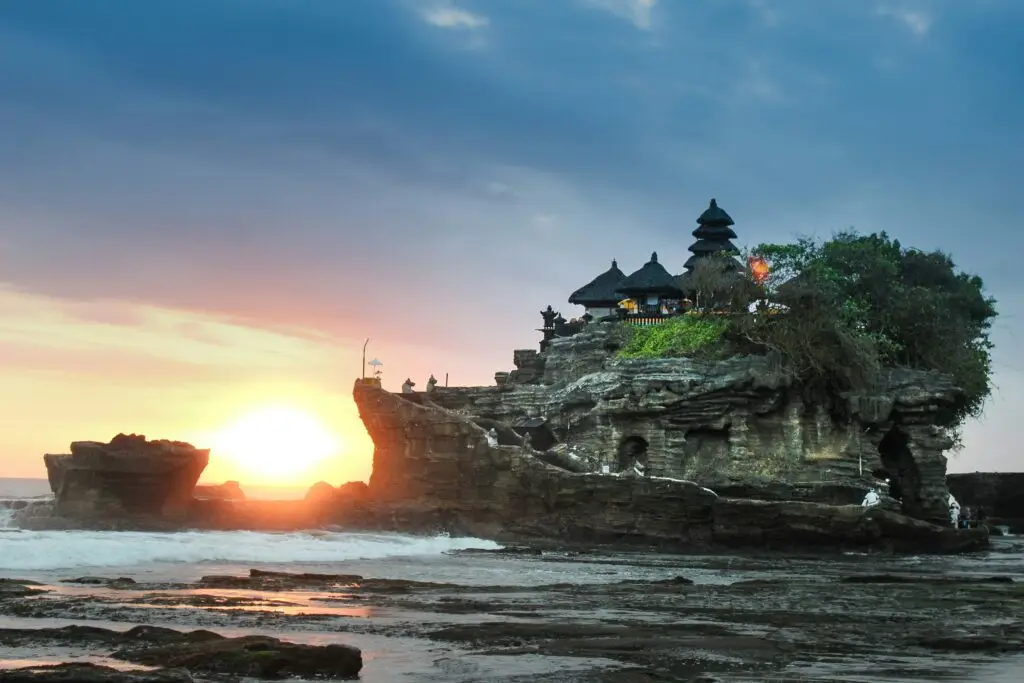
Design & Architecture: Minimalist, modern Balinese villas with open-air layouts.
Amenities: Private pools, sun decks, and integrated indoor-outdoor living.
Experience: Yoga retreats, rice-paddy views, and private beach access.
Why It’s Unique: Blends traditional Balinese aesthetics with contemporary luxury.
6. Bacalar, Mexico – Lagoon-Side Huts
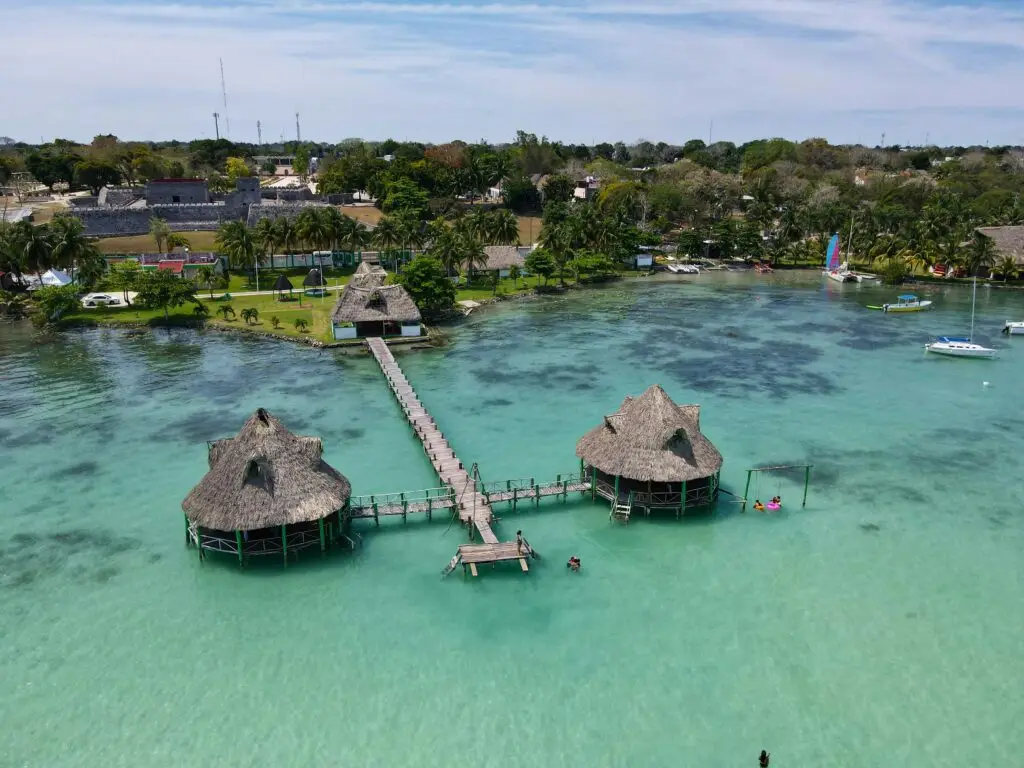
Design & Architecture: Rustic wooden huts on stilts over crystal-clear freshwater lagoons.
Amenities: Hammocks, kayaks, and private decks.
Experience: Swimming in the “Lake of Seven Colors,” local cuisine, and cultural tours.
Why It’s Unique: Freshwater experience with tranquil surroundings and vibrant natural colors.
7. Belize – Tropical Water Huts
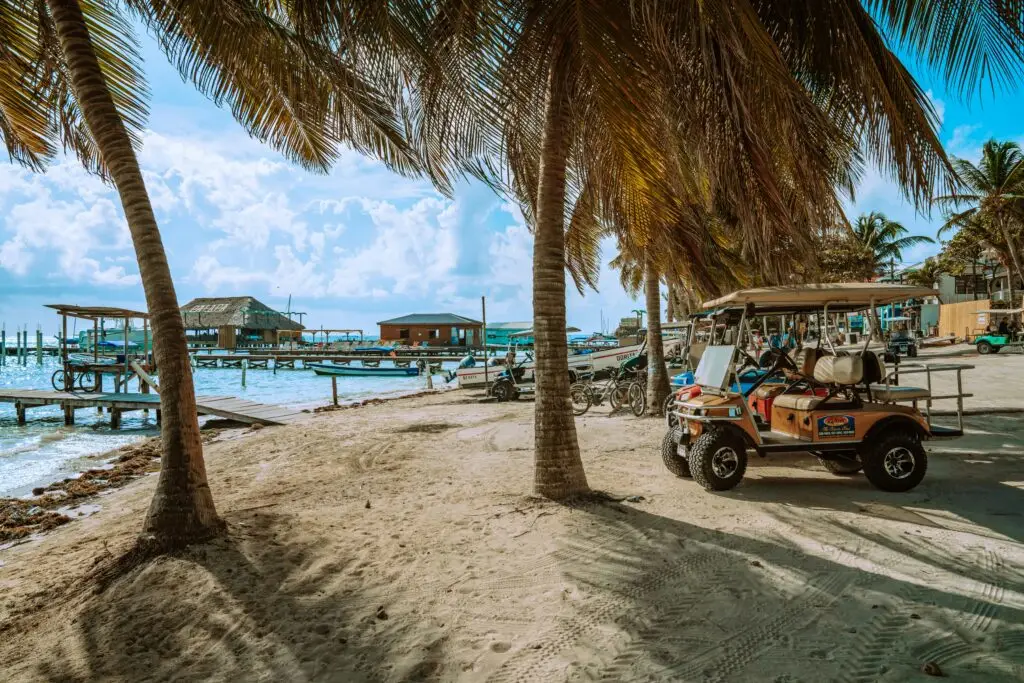
Design & Architecture: Secluded wooden huts on stilts surrounded by mangroves.
Amenities: Kayaks, hammocks, and eco-friendly accommodations.
Experience: Snorkeling in coral reefs, bird-watching, and fishing.
Why It’s Unique: Close connection to unspoiled tropical ecosystems.
8. British Columbia, Canada – Lakeside Overwater Huts
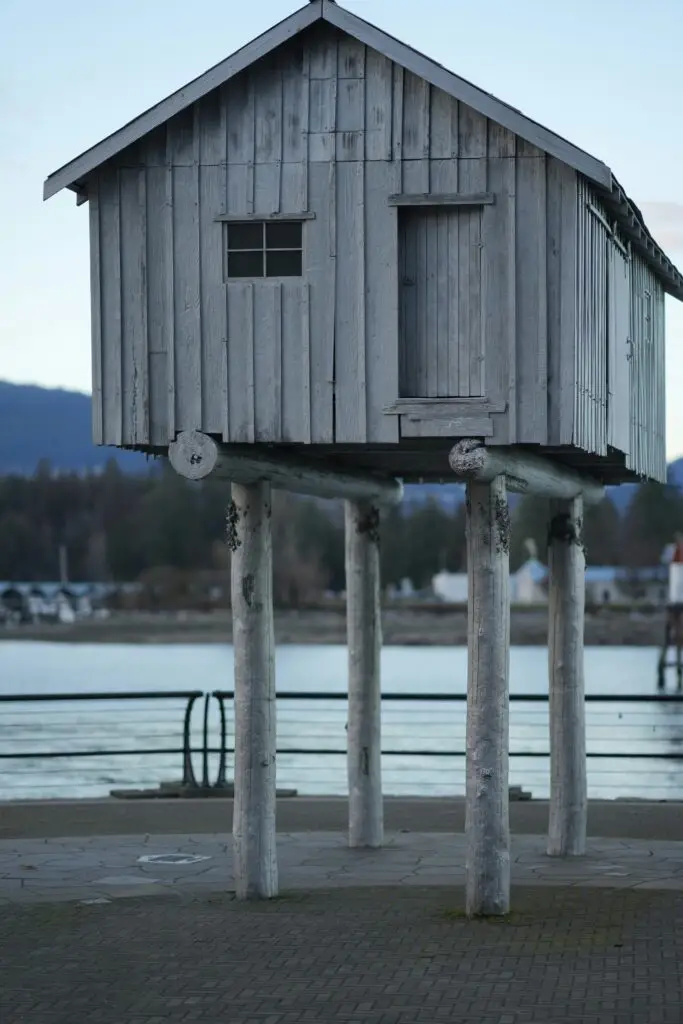
Design & Architecture: Wooden cabins on calm lakes with rustic interiors.
Amenities: Fireplaces, canoe access, and panoramic mountain views.
Experience: Hiking, fishing, and winter snow activities.
Why It’s Unique: Combines wilderness adventure with cozy cabin living.
9. Norway – Fjord-Side Floating Cabins
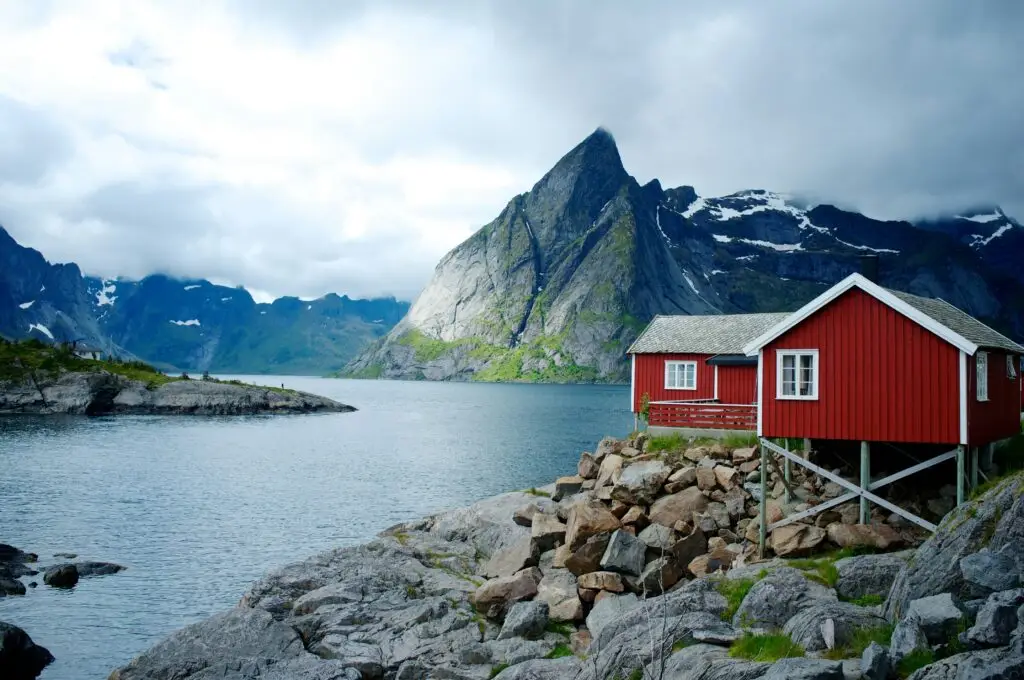
Design & Architecture: Scandinavian wooden cabins with slanted roofs and minimalistic interiors.
Amenities: Sauna, private dock, and panoramic fjord views.
Experience: Northern lights, fjord cruises, and hiking.
Why It’s Unique: Dramatic landscapes with serene fjord views and Nordic design.
10. Switzerland – Lake Geneva and Alpine Huts
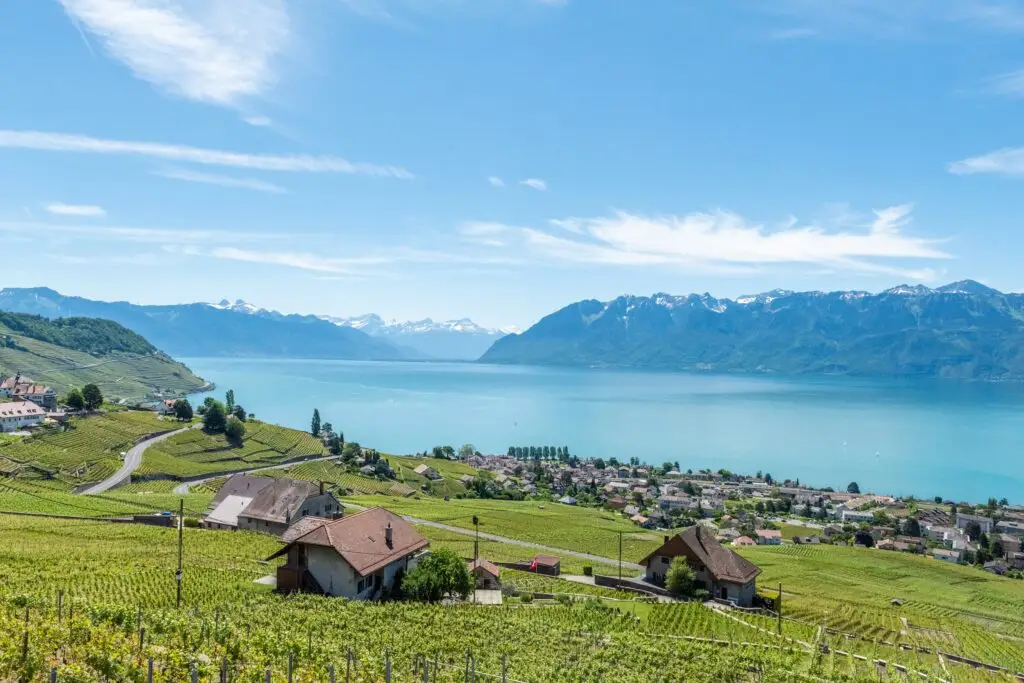
Design & Architecture: Alpine wooden huts with large terraces and floor-to-ceiling windows.
Amenities: Fireplace, private decks, and direct lake access.
Experience: Paddleboarding, mountain trekking, and wine tasting in nearby vineyards.
Why It’s Unique: Combines alpine charm with serene lakefront living.
How to Choose the Perfect Hut on the Water
- Budget: Prices vary from rustic Fijian eco-huts to luxurious Maldives villas.
- Experience Type: Adventure, relaxation, cultural immersion, or romance.
- Season & Climate: Check local weather patterns to avoid monsoon or winter storms.
- Amenities: Decide whether you want basic rustic charm or full luxury with pools and spas.
Tips for Booking and Staying
- Book Early: Popular destinations like Maldives and Bora Bora often sell out months in advance.
- Pack Essentials: Sunscreen, waterproof bags, and mosquito repellant.
- Respect Local Guidelines: Many overwater huts are eco-sensitive, so follow conservation rules.
- Safety First: Check for secure decks, swimming access, and emergency procedures.
Benefits of Staying in Huts on the Water
- Reconnect with Nature: Calm, natural surroundings foster mental relaxation.
- Unique Experience: Floating huts provide a one-of-a-kind getaway not found in traditional hotels.
- Privacy: Perfect for honeymooners, retreats, and meditation.
- Eco-Tourism: Many huts now follow sustainable construction practices.
Conclusion
Huts on the water are more than just accommodations—they are experiences that combine luxury, serenity, and closeness to nature. From tropical lagoons in the Maldives and Fiji to alpine lakes in Switzerland and Canada, these overwater huts offer travelers unforgettable views, comfort, and privacy.
Whether you seek a romantic escape, an adventurous retreat, or an eco-friendly getaway, staying in a hut on the water is an experience that blends relaxation, beauty, and cultural immersion. Start planning your next waterfront escape and discover why these huts are among the world’s most stunning accommodations.
FAQs About Huts on the Water
Q1: Are overwater huts expensive?
Prices vary, ranging from $150/night for rustic eco-huts to $1,000+/night for luxury villas.
Q2: Can you swim directly from your hut?
Yes, most overwater huts provide direct water access or ladders into the lagoon.
Q3: Are these huts safe for families?
Yes, with supervision, many overwater huts accommodate children safely.
Q4: How eco-friendly are water huts?
Many modern water huts use sustainable materials, solar energy, and waste management systems to minimize environmental impact.
![Jamaican Huts: History, Origin, and Step-by-Step Construction Guide [2026]](https://hutpost.com/wp-content/uploads/2026/01/jamaican-huts-1024x837.jpg)