
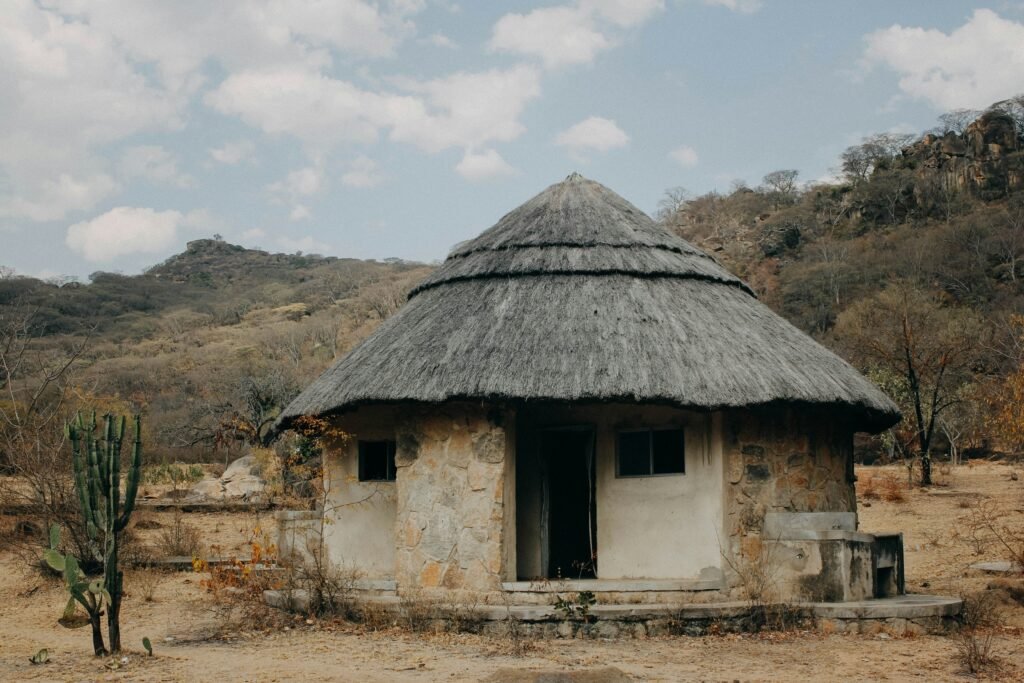
Tiny huts are becoming increasingly popular in 2026 as people seek minimalistic, sustainable, and affordable housing options. Whether for a backyard retreat, an eco-friendly getaway, or a personal studio, tiny huts combine simplicity with functionality. This guide covers everything a modern builder needs to know: planning, materials, construction techniques, design tips, and maintenance strategies for building a tiny hut in 2026.
Why Build a Tiny Hut in 2026?
Rise of Minimalist Living
Tiny huts align with the global trend toward minimalist living. Reducing unnecessary space promotes simpler, more intentional lifestyles while minimizing environmental impact.
Sustainability
Modern tiny huts often utilize eco-friendly materials and energy-efficient designs. They have smaller footprints, consume fewer resources, and can incorporate renewable energy options like solar panels.
Affordability
Tiny huts are more affordable than traditional homes due to their smaller size and lower material requirements. They are accessible for personal projects, vacation homes, or rental units.
Versatility
Tiny huts can serve multiple purposes:
- Backyard office or studio
- Garden retreat or guest cabin
- Storage space or workshop
- Eco-friendly vacation cabin
Planning Your Tiny Hut
Purpose and Functionality
Define the primary use of your tiny hut. Will it be residential, recreational, or purely utilitarian? This determines design requirements, layout, and material choices.
Size and Layout
In 2026, most tiny huts range from 50 to 300 square feet. Consider multi-functional spaces:
- Loft beds for sleeping areas
- Foldable furniture to maximize living space
- Combined kitchen and living area
Local Regulations
Check zoning laws, building codes, and permit requirements in your area. Tiny huts may fall under different regulations than standard homes, especially if intended for residential use.
Budget
Calculate costs for materials, labor, foundation, utilities, and finishing touches. Tiny huts are cost-effective, but budget planning ensures no surprises.
Materials for Building a Tiny Hut
Structural Materials
- Wood: Hardwood or softwood; treated wood for durability and pest resistance
- Metal: Steel frames for modern tiny huts with contemporary aesthetics
- Bamboo or Reclaimed Materials: Eco-friendly options for sustainable builds
Roofing Materials
- Shingles, metal sheets, or eco-friendly options like recycled composites
- Consider insulation and waterproofing
Insulation and Weatherproofing
- Foam, fiberglass, or natural insulation (sheep wool, cork)
- Weatherproof sealants for walls and roof
Flooring
- Hardwood, bamboo, or eco-friendly composite materials
- Durable and easy to clean
Optional Features
- Solar panels or small wind turbines
- Rainwater collection systems
- Energy-efficient windows and LED lighting
Step-by-Step Guide to Building a Tiny Hut in 2026
Site Selection
- Choose an elevated, well-drained location
- Ensure accessibility for construction equipment and materials
Foundation Construction
- Options: Concrete slab, raised wooden posts, or stone base
- Ensure level and stable foundation to prevent structural issues
Frame Construction
- Build a timber or metal frame based on design plans
- Use braces and cross beams to strengthen structural integrity
Wall Installation
- Install wall panels using wood, plywood, or prefab panels
- Add insulation between wall layers if required
- Seal joints to prevent air or water leaks
Roof Installation
- Construct roof trusses and attach roofing material
- Include ventilation and proper slope for drainage
- Add insulation or reflective coatings to improve energy efficiency
Doors and Windows
- Install energy-efficient windows to maximize light while minimizing heat loss
- Use pre-made doors or custom designs for aesthetic appeal
- Include shutters or overhangs for weather protection
Interior Finishing
- Paint, stain, or seal walls and floors
- Install storage solutions and multi-functional furniture
- Integrate plumbing or electrical systems if needed
Optional Smart Features
- Small solar systems for energy
- Rainwater collection and filtration
- Smart lighting, heating, or security systems
Design Tips for Tiny Huts in 2026
- Maximize Vertical Space: Use lofts and shelves to reduce floor space usage
- Open Floor Plans: Create flexible spaces for multiple purposes
- Natural Lighting: Large windows or skylights to make the space feel bigger
- Outdoor Integration: Include a porch, deck, or foldable outdoor space
- Modern Minimalist Aesthetics: Clean lines, neutral colors, and compact furniture
Maintenance and Longevity
Regular Inspections
- Check for moisture, pests, and structural damage every 6–12 months
Weatherproofing
- Reapply sealants or coatings on wood surfaces
- Maintain roofing to prevent leaks
Energy Systems Maintenance
- Clean solar panels and check electrical connections
- Maintain rainwater collection systems
Interior Care
- Clean and repair furniture or modular components
- Monitor insulation and heating systems for efficiency
Cost of Building a Tiny Hut in 2026
- Basic Garden/Backyard Hut: $1,000–$5,000
- Medium-Sized Tiny Hut with Utilities: $5,000–$15,000
- Luxury Eco-Friendly Tiny Hut: $15,000–$30,000+
Factors influencing cost: materials, labor, size, design complexity, and added features like energy systems or plumbing.
Tiny Huts Around the World
- Europe: Alpine tiny cabins and vacation huts
- Asia: Bamboo huts for eco-tourism and sustainable living
- North America: Prefabricated tiny homes for urban and rural use
- Australia: Backyard studios and eco-friendly tiny retreats
Modern tiny huts are often designed to comply with environmental regulations, sustainability standards, and comfort requirements.
Common Mistakes to Avoid
- Underestimating foundation and site preparation
- Choosing low-quality or untreated wood
- Neglecting insulation or energy efficiency
- Ignoring local regulations and permits
- Overloading interior space without structural support
Conclusion
Building a tiny hut in 2026 is a practical, sustainable, and creative endeavor. Modern tiny huts combine eco-friendly materials, efficient design, and compact living principles. By planning carefully, selecting quality materials, and following proper construction techniques, builders can create a tiny hut that is functional, durable, and aligned with modern sustainability trends.
Tiny huts represent a shift toward minimalism, affordability, and environmentally conscious living, making them a perfect solution for homeowners, travelers, and builders alike in 2026.
FAQs About Tiny Huts
Q1: How big should a tiny hut be?
Most tiny huts range from 50–300 square feet. Multi-functional layouts maximize usable space.
Q2: Can tiny huts have plumbing and electricity?
Yes. Modern tiny huts can integrate full electrical and plumbing systems depending on budget and space.
Q3: Are tiny huts suitable for year-round living?
With proper insulation, weatherproofing, and utilities, tiny huts can be comfortable year-round.
Q4: How long does it take to build a tiny hut?
Depending on size and complexity, 2–8 weeks for small to medium huts; prefabricated models are faster.
![Jamaican Huts: History, Origin, and Step-by-Step Construction Guide [2026]](https://hutpost.com/wp-content/uploads/2026/01/jamaican-huts-1024x837.jpg)