
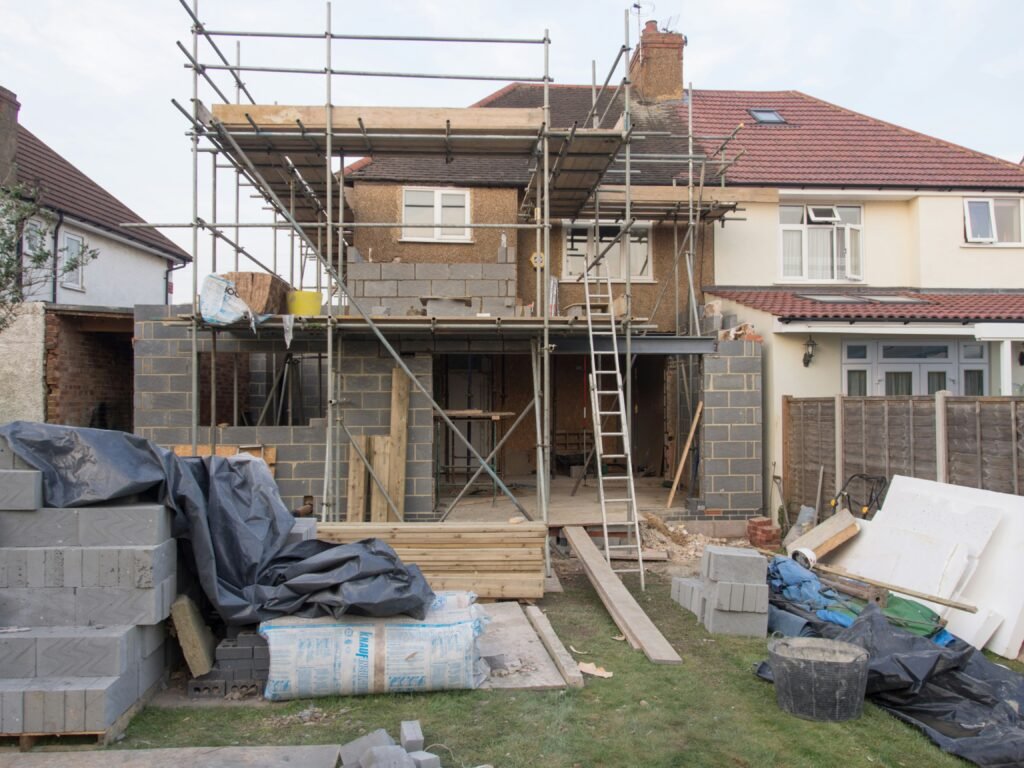
A house with a long list of repairs can quickly become difficult to manage. Roof problems, outdated electrical systems, plumbing leaks, foundation issues, damaged flooring, old HVAC equipment, and deferred maintenance may all compete for the same budget.
The biggest mistake is trying to fix everything at once.
A better approach is to identify which problems affect safety, structure, financing, and resale value, then decide whether repairing the property still makes financial sense.
1. Separate Critical Problems From Cosmetic Ones
Start with a full condition assessment.
Do not treat a dated kitchen the same way as active water intrusion or structural movement. Cosmetic issues can usually wait. Safety and building-envelope problems cannot.
Create three categories:
- Immediate safety or structural repairs
- Functional repairs that affect daily use
- Cosmetic improvements
Electrical hazards, major roof leaks, failing plumbing, foundation movement, mold sources, and unsafe stairs should usually sit at the top of the list.
Paint, cabinets, fixtures, and flooring can come later.
This prevents limited funds from being spent on appearance while serious defects remain unresolved.
2. Compare Repair Costs With an As-Is Sale
Once the major problems are identified, get written estimates.
Do not rely on rough online averages. The cost of roofing, structural work, plumbing, or electrical upgrades can vary significantly depending on the property.
If the total repair bill becomes difficult to justify, compare renovation with selling the home in its current condition.
Homeowners who want to avoid a long renovation may consider a direct buyer such as Stars and Stripes Real Estate when evaluating an as-is sale.
The useful comparison is not repaired value versus as-is price.
You need to compare net proceeds after repairs, carrying costs, selling expenses, and the time required to complete the work.
3. Get Multiple Contractor Estimates
One estimate is not enough for a major project.
Ask at least two or three qualified contractors to evaluate expensive repairs.
Make sure each estimate covers the same scope.
A low quote may exclude disposal, permits, finish work, or materials that another contractor included.
Compare More Than Price
Review:
- Labor
- Materials
- Permit costs
- Demolition
- Disposal
- Warranty
- Project duration
- Payment schedule
Ask what could increase the final price.
Older homes often hide damage behind walls, floors, or roofing materials, so build a contingency into the budget.
4. Fix Water Problems First
Water damage can turn a manageable repair into a much larger one.
Find the source before repairing cosmetic damage.
A stained ceiling may come from a roof leak, plumbing failure, or condensation problem. Repainting without fixing the source only hides the issue temporarily.
Check roofing, flashing, gutters, drainage, plumbing, bathrooms, basements, and crawl spaces.
Dry affected areas properly.
If moisture remains trapped inside walls or flooring, additional deterioration can continue even after the visible leak is gone.
5. Prioritize Systems Buyers Depend On
If the property may be sold later, focus on systems that affect function and buyer confidence.
Heating, cooling, plumbing, electrical service, roofing, and structural integrity matter more than decorative upgrades.
A buyer may tolerate old cabinets.
They are less likely to overlook an unsafe electrical panel or failed HVAC system.
If the budget is limited, direct money toward problems that affect habitability and transaction risk.
Cosmetic improvements should come only after the essential systems are stable.
6. Avoid Over-Renovating for the Neighborhood
A major renovation does not always produce an equal increase in property value.
Compare the home with similar properties nearby.
If surrounding homes sell within a certain price range, an expensive luxury renovation may be difficult to recover.
This is especially important for kitchens, bathrooms, additions, and high-end finishes.
Use neighborhood comparables as a ceiling for improvement decisions.
The goal should be to bring the property to a reasonable condition, not automatically make it the most expensive home in the area.
7. Calculate Carrying Costs During Repairs
Renovation costs are only part of the equation.
The property still costs money while work is underway.
Include Monthly Costs Such As
- Mortgage payments
- Property taxes
- Insurance
- Utilities
- Landscaping
- HOA fees
- Security
- Temporary housing
Multiply those costs by the expected renovation timeline.
A four-month project that becomes eight months can significantly reduce the financial benefit of repairing before selling.
This is why schedule risk should be part of the decision.
8. Decide Which Repairs Can Wait
Not every repair needs to happen before the home is sold or occupied.
Some defects are manageable if they are documented and priced into the property.
For example, worn flooring may be inconvenient but not urgent.
A leaking water heater is different because it can create additional damage.
Rank each repair by risk.
Ask what happens if the problem is left alone for another six months.
If the answer is “the damage will probably become worse,” the repair deserves higher priority.
9. Keep Detailed Records
Save invoices, warranties, permits, inspection reports, and contractor documentation.
These records can help when selling the property later.
Buyers may feel more comfortable when they can see that major repairs were completed properly.
Documentation also makes it easier to track spending.
Without a central record, homeowners often underestimate how much has already gone into the project.
Use one folder, spreadsheet, or digital system to keep everything together.
10. Know When to Stop Repairing
There is a point where another repair no longer makes sense.
If each completed project reveals two more expensive problems, the property may be consuming money without moving meaningfully closer to completion.
Set a maximum repair budget before work begins.
If estimates exceed that limit, revisit the overall strategy.
Do not continue spending simply because money has already been invested.
Past spending should not determine whether the next project is financially justified.
11. Prepare the Property for an As-Is Sale
Selling as-is does not mean ignoring presentation completely.
Remove trash, clear pathways, secure loose materials, and address obvious safety hazards.
Make the home easy to inspect.
Gather repair estimates and documentation so buyers can understand the condition.
Transparency helps serious buyers evaluate the property faster.
It also reduces the chance that every visible issue becomes a surprise during negotiations.
12. Choose the Option That Reduces Overall Risk
The best decision depends on your budget, timeline, and tolerance for renovation.
Repairing may make sense if the property has strong resale potential and the major issues are limited.
Selling as-is may be more practical if the home needs extensive work, the repair budget is uncertain, or the owner cannot manage a long project.
Compare each option using the same factors: total cost, expected net proceeds, time, and risk.
A difficult property becomes much easier to manage once every problem is no longer treated as equally urgent.
Prioritize the repairs that protect the structure and safety of the home, understand the full financial impact, and stop when additional work no longer improves the outcome enough to justify the cost.