
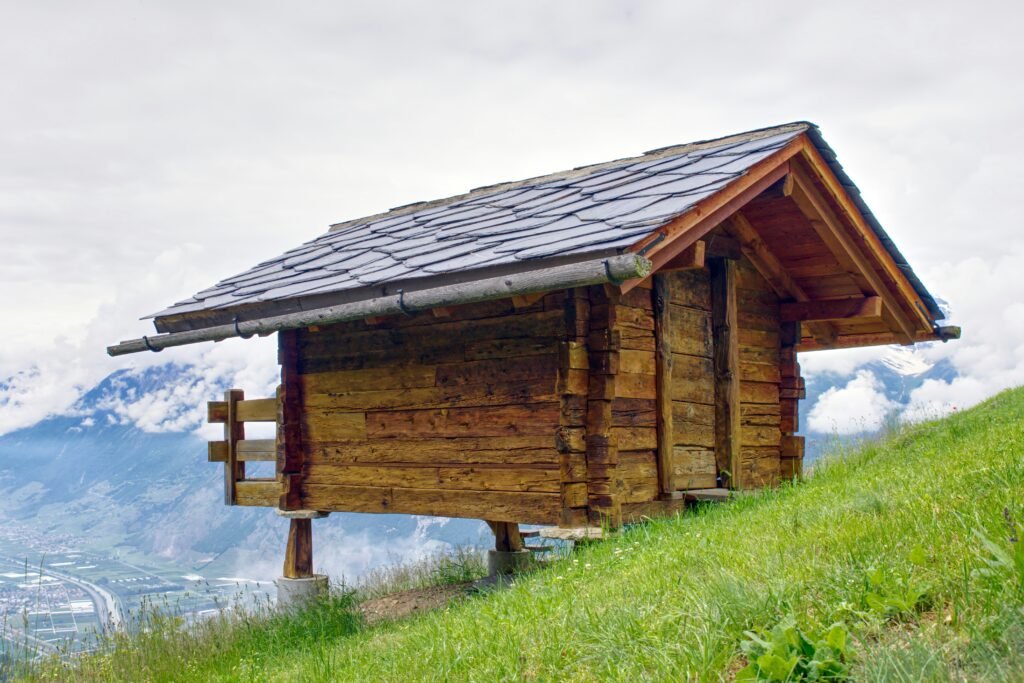
Wooden huts are simple yet versatile structures that have been a part of human history for centuries. Whether as temporary shelters, garden retreats, or small vacation cabins, wooden huts offer practicality, affordability, and a connection to nature. In this guide, we’ll explore what wooden huts are, their history, types, benefits, materials, construction methods, maintenance tips, costs, and cultural significance. By the end, you’ll have all the knowledge needed to plan, build, and maintain a wooden hut of your own.
Understanding Wooden Huts
A wooden hut is a standalone structure primarily constructed from wood. Traditionally, huts were basic shelters providing protection from the elements, but over time they have evolved into functional spaces for living, working, and recreation. Modern wooden huts can range from simple garden sheds to prefabricated cabins designed for long-term habitation.
Key characteristics of wooden huts include simplicity, durability, and adaptability. They are often chosen for their eco-friendly nature and aesthetic harmony with natural surroundings.
History and Origin of Wooden Huts
Early Human Shelters
Wooden huts date back to the earliest human civilizations. Early humans relied on wood, leaves, and natural fibers to create temporary shelters that offered protection from weather and predators. These simple huts were functional, lightweight, and often built using materials available in the immediate environment.
Cultural Adaptations Around the World
Different regions developed distinct styles of wooden huts:
- Europe: Log cabins and alpine huts in Scandinavia and mountainous regions offered warmth and protection during cold winters.
- Asia: Bamboo and timber huts in tropical regions utilized lightweight and flexible materials to withstand heavy rains and heat.
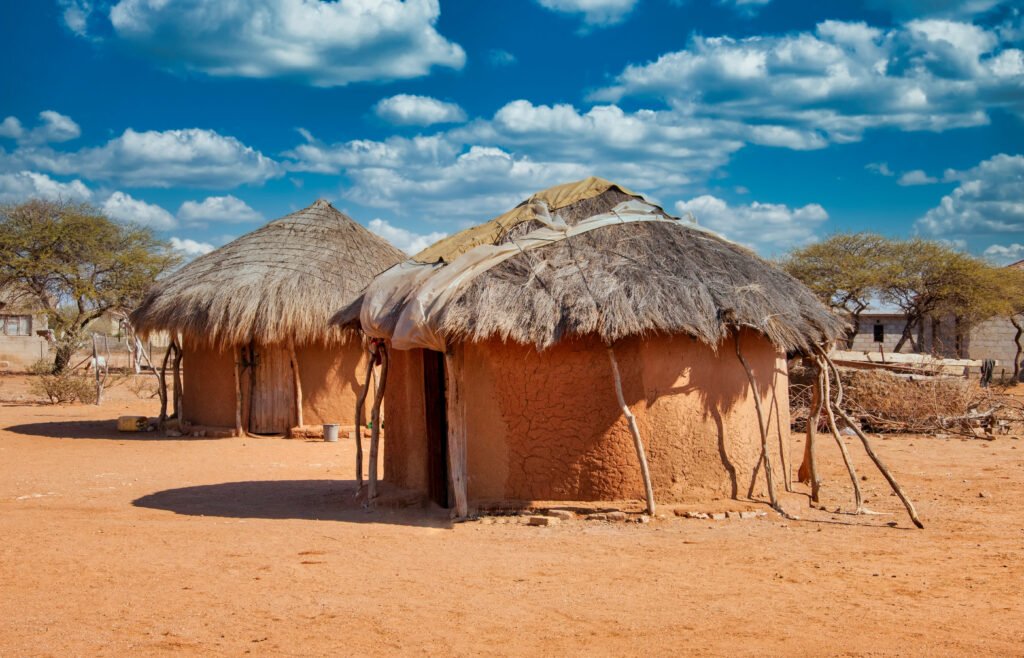
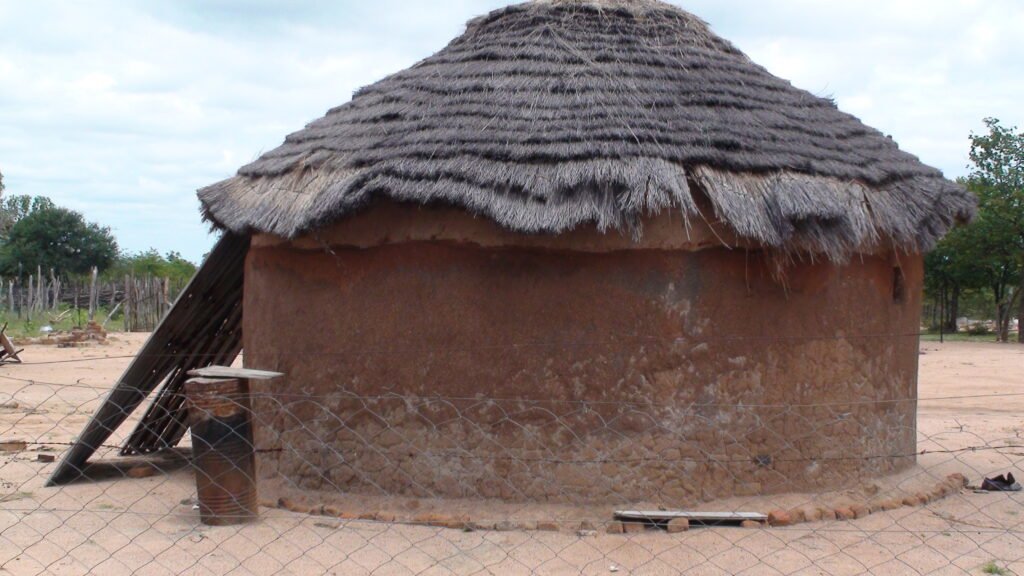
- Africa: Wooden huts often incorporate mud and thatched roofs, providing insulation and durability.
- Caribbean: Wooden chattel houses and rural huts reflected African and indigenous influences, designed to be portable and resilient.
Modern Evolution
Modern wooden huts combine traditional designs with contemporary building techniques. Prefabrication, modern fasteners, treated timber, and roofing innovations have increased durability, reduced construction time, and allowed for more customized layouts. Today, wooden huts are valued not only for their practical uses but also as eco-friendly, aesthetically pleasing retreats.
Types of Wooden Huts
Traditional Wooden Huts
These huts are constructed using raw timber, often elevated to prevent moisture damage. They feature minimalist designs, typically with one or two rooms, and emphasize practicality and rustic charm. Traditional huts are often found in rural areas or as cultural heritage structures.
Prefabricated Wooden Huts
Prefabricated huts are manufactured off-site and assembled on location. They are quicker to build, customizable, and suitable for modern purposes such as guest houses, backyard offices, and vacation cabins. Prefabrication also ensures consistent quality and reduces labor costs.
Garden and Backyard Huts
Garden wooden huts are small, lightweight structures designed for personal or recreational use. They can function as studios, workshops, storage sheds, or relaxation spaces. These huts are easy to install and can be adapted to fit any outdoor setting.
Eco-Friendly Wooden Huts
Eco-friendly wooden huts use sustainably sourced timber and energy-efficient designs. They are ideal for eco-resorts, vacation rentals, and environmentally conscious homeowners. Such huts often incorporate natural insulation, solar energy, and other sustainable features.
Benefits of Wooden Huts
Sustainability and Eco-Friendliness
Wood is a renewable resource, and using sustainably sourced timber reduces environmental impact. Wooden huts have a smaller carbon footprint compared to brick or concrete structures.
Cost-Effectiveness
Building a wooden hut is often more affordable than constructing a traditional home. Costs vary depending on size, materials, and design but generally remain lower than conventional housing.
Flexibility and Portability
Wooden huts can be portable or semi-permanent. This flexibility allows owners to relocate, expand, or modify their huts as needs change.
Quick Construction
Wooden huts can be built in weeks rather than months. Prefabricated designs further reduce construction time, making them ideal for immediate use.
Aesthetic Appeal
Wooden huts blend naturally with forests, gardens, and rural landscapes. They provide a rustic and cozy appearance that complements outdoor environments.
Materials Required for Building a Wooden Hut
Timber/Wood
- Hardwoods for durability or softwoods for affordability
- Treated wood for resistance against pests, moisture, and decay
Nails, Screws, and Fasteners
- Galvanized nails or stainless steel screws to prevent rusting
- Brackets and metal connectors for structural support
Roofing Materials
- Wooden panels, shingles, metal sheets, or thatch
- Waterproofing materials to prevent leaks and water damage
Foundation Materials
- Concrete blocks, stone bases, or wooden posts
- Sand or gravel for leveling and stability
Insulation and Finishing Materials
- Sealants, varnish, or paint for weatherproofing
- Optional insulation for colder climates
Step-by-Step Guide to Building a Wooden Hut
Planning and Design
- Determine the purpose of the hut: living, storage, or recreation
- Choose size, layout, and style
- Consider local climate and weather conditions
Site Preparation
- Clear vegetation and level the ground
- Ensure proper drainage to prevent water accumulation
- Mark the layout of the foundation
Foundation Construction
- For permanent huts: concrete or stone foundations
- For portable huts: raised wooden posts or piers
- Ensure stability and proper leveling
Frame Construction
- Build a sturdy frame with timber beams and cross braces
- Ensure vertical and horizontal alignment
- Double-check measurements for square corners
Wall Installation
- Attach wooden panels or planks to the frame
- Use screws or nails for secure attachment
- Optional: add insulation between panels
Roof Construction
- Install trusses or beams to support the roof
- Attach roofing material (wooden panels, shingles, or metal sheets)
- Ensure the roof has adequate slope for water drainage
Doors and Windows
- Construct or install door and window frames
- Fit doors, shutters, or glass panes
- Ensure proper sealing to prevent drafts and leaks
Finishing Touches
- Apply sealant, varnish, or paint to protect wood
- Install flooring: wooden planks, tiles, or concrete
- Add interior features such as shelving, furniture, or lighting
Maintenance of Wooden Huts
- Regular inspection for termite or pest damage
- Reapply sealant or varnish every 2–3 years
- Clear debris from the roof to prevent leaks
- Repair cracks, loose panels, or damaged wood immediately
- Maintain proper ventilation to prevent moisture accumulation
Cost Considerations
Costs depend on size, materials, labor, and design:
- Small garden hut: $500 – $2,000
- Medium cabin: $2,000 – $10,000
- Luxury eco-friendly hut: $10,000+
Factors influencing cost: timber quality, roofing type, foundation, and labor rates. Prefabricated huts may have higher initial costs but save on construction time.
Wooden Huts Around the World
- Europe: Log cabins and alpine huts for cold climates
- Asia: Bamboo and timber huts in tropical regions
- Africa: Wooden huts combined with mud and thatch
- Caribbean: Chattel houses and rural wooden huts
Each region adapts wooden huts to suit climate, available materials, and cultural needs.
Cultural and Social Significance
Wooden huts symbolize simplicity, resilience, and connection with nature. They feature prominently in folklore, rural lifestyles, and community traditions. Many cultures continue to use wooden huts for gatherings, storage, or temporary housing, preserving traditional building skills.
Common Mistakes to Avoid
- Neglecting proper foundation preparation
- Using untreated or low-quality timber
- Ignoring roof slope and waterproofing needs
- Overloading the structure without proper support
- Failing to maintain wood and finish regularly
FAQs About Wooden Huts
Q1: Can I build a wooden hut myself?
Yes, with proper planning, materials, and tools, a DIY wooden hut is achievable.
Q2: How long does a wooden hut last?
With quality materials and maintenance, wooden huts can last 20–50 years.
Q3: Do wooden huts require permits?
Depends on local regulations. Small garden huts may not, but residential cabins often do.
Q4: Can wooden huts be insulated?
Yes, insulation can be added to walls, roofs, and floors for temperature control.
Conclusion
Wooden huts are a timeless solution for functional, eco-friendly, and aesthetically pleasing structures. They offer versatility, affordability, and a strong connection to nature. By carefully planning, selecting quality materials, and following proper construction and maintenance practices, you can create a durable wooden hut suitable for a variety of purposes—whether it’s a backyard studio, vacation cabin, or rustic retreat.
![Jamaican Huts: History, Origin, and Step-by-Step Construction Guide [2026]](https://hutpost.com/wp-content/uploads/2026/01/jamaican-huts-1024x837.jpg)