
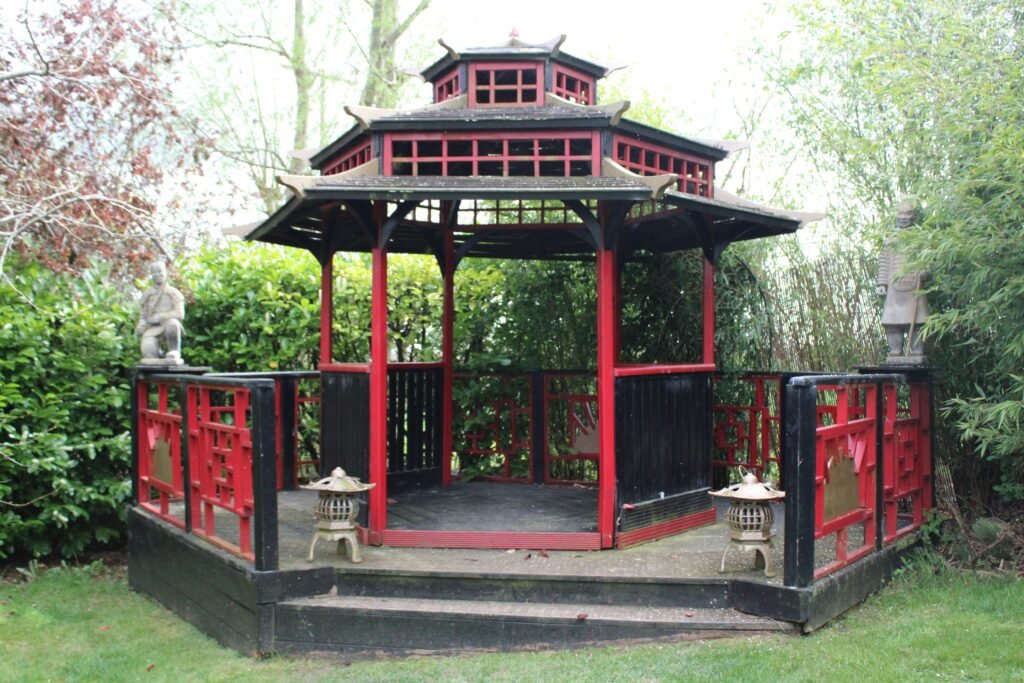
Japanese huts are iconic examples of traditional architecture, reflecting the country’s rich history, cultural values, and ingenious adaptation to the environment. From simple rural dwellings to structures that supported samurai and farming communities, Japanese huts have evolved while maintaining their minimalist elegance. This guide explores their history, materials, types, construction techniques, and cultural significance.
What is a Japanese Hut?
A Japanese hut is a small, simple structure typically made from natural materials like wood, bamboo, and thatch. Traditionally, these huts were designed to provide shelter for farmers, fishermen, and rural families. Despite their simplicity, they exhibit harmony with nature, efficient use of space, and resilience against seasonal changes.
Key Features:
- Lightweight wooden frame
- Thatched or shingled roof
- Tatami or earthen floors
- Minimalistic interior with sliding doors (shoji or fusuma)
History of Japanese Huts
Ancient Period (Jomon & Yayoi Eras)
- Early Japanese huts were pit dwellings called tateana, dug partially into the ground.
- Roofs were made of thatch or wood, offering insulation during cold winters and ventilation during summer.
- Used primarily for farming communities.
Heian and Kamakura Periods
- Growth of rural villages led to the development of raised wooden huts.
- Roofs became steeper to handle heavy rainfall.
- Some huts served as storage or granaries, while others remained homes for commoners.
Edo Period (1603–1868)
- Standardization of architectural styles across villages.
- Introduction of minka (traditional houses) incorporating features like tatami floors and shoji screens.
- Huts reflected social class and occupation: farmers, artisans, or merchants.
Modern Era
- Wooden huts influenced contemporary Japanese architecture, inspiring minimalist homes, garden pavilions, and tea houses.
- Preservation of traditional huts is part of Japan’s cultural heritage programs.
Types of Japanese Huts
Rural Farm Huts (Noka)
- Built by farmers for living and storage.
- Raised floors to prevent moisture damage.
- Thatched roofs with wooden frames.
Fishermen’s Huts (Funaya)
- Located along coastal regions.
- The lower floor is often used for boat storage.
- Wooden construction adapted for humidity and tides.
Tea House Huts (Chashitsu)
- Small, aesthetically designed huts for tea ceremonies.
- Emphasize simplicity, natural materials, and integration with gardens.
- Influence modern minimalist design.
Mountain Huts (Yamagoya)
- Built for travelers or monks in remote areas.
- Simple wooden structures with steep roofs for snow.
- Compact and insulated for extreme weather conditions.
Materials Used in Japanese Huts
Wood
- Primary material for frames and walls.
- Cypress (hinoki), cedar (sugi), and pine (matsu) are commonly used.
- Durable, lightweight, and resistant to humidity.
Bamboo
- Used for walls, fences, and structural support.
- Flexible and sustainable material.
Thatch and Straw
- Traditional roofs made from rice straw (kaya) or reeds.
- Provides insulation against cold and heat.
Earthen Floors and Walls
- Tatami mats for interior flooring.
- Clay or mud used for wall reinforcement in some rural huts.
Construction Techniques
Foundation and Frame
- Raised wooden posts to prevent water damage.
- Cross beams for stability.
Walls and Flooring
- Bamboo or wooden panels attached to frames.
- Earthen or tatami flooring for comfort and insulation.
Roof Construction
- Steeply pitched thatched roofs for heavy rainfall or snow.
- Roofs often extend beyond walls to protect from weather.
Joinery Techniques
- Traditional Japanese huts often use mortise and tenon or interlocking joinery.
- Nails and metal fasteners were rarely used in historical huts.
Cultural Significance of Japanese Huts
Harmony with Nature
- Designed to blend with natural surroundings.
- Seasonal adaptability: open walls in summer, enclosed spaces in winter.
Reflection of Social Hierarchy
- Huts reflected the occupation and status of residents.
- Simple huts for farmers, more intricate designs for artisans or samurai retainers.
Inspiration for Modern Architecture
- Minimalist Japanese homes, tea houses, and garden pavilions are influenced by traditional hut designs.
- Emphasis on natural materials, light, and open space is carried forward in contemporary architecture.
Preservation and Heritage
- Many traditional huts are preserved in museums, rural villages, and cultural heritage sites.
- Festivals and workshops celebrate historical construction methods.
Maintenance of Japanese Huts
- Regular inspection for pests (termites) and water damage.
- Thatch roof replacement every 20–30 years depending on climate.
- Wooden frames treated with natural oils or coatings to prevent rot.
- Tatami mats are replaced periodically to maintain comfort and hygiene.
FAQs About Japanese Huts
Q1: Are Japanese huts still used today?
Yes, traditional huts are preserved in rural areas, gardens, and cultural heritage sites. Modern adaptations exist in minimalist homes and tea houses.
Q2: What materials are best for building a Japanese-style hut today?
Wood (cedar or cypress), bamboo, and natural thatch are traditional; modern options include prefabricated wood panels and sustainable composite materials.
Q3: Can a Japanese hut be built for residential purposes?
Yes, with modern construction techniques, Japanese-style huts can be adapted for full-time residential living.
Q4: How are Japanese huts culturally significant?
They reflect simplicity, harmony with nature, social hierarchy, and inspire modern architecture and design aesthetics.
Conclusion
Japanese huts are more than simple structures—they are a testament to Japan’s architectural ingenuity, cultural values, and respect for nature. From rural farm huts to tea houses and mountain retreats, they embody minimalism, sustainability, and practicality. Understanding their history, construction techniques, and cultural significance provides insight into both traditional and modern Japanese design.
Whether for cultural preservation, modern minimalistic living, or architectural inspiration, Japanese huts remain an enduring symbol of simplicity, functionality, and harmony with the environment
![Jamaican Huts: History, Origin, and Step-by-Step Construction Guide [2026]](https://hutpost.com/wp-content/uploads/2026/01/jamaican-huts-1024x837.jpg)