The Charm of Jamaican Huts
Jamaican huts are more than simple shelters—they are symbols of heritage, resilience, and creativity. Rooted in indigenous and African traditions, these structures reflect centuries of adaptation to the Caribbean environment. This guide explores the history, origin, and step-by-step construction of Jamaican huts, highlighting their cultural and architectural significance.
Historical Background of Jamaican Huts
Indigenous Influences
Long before European colonization, the Taino people, Jamaica’s original inhabitants, had already developed sophisticated methods for building shelters. These early huts, typically constructed with wood and palm leaves, were designed to withstand tropical weather. The Taino structures were often circular or rectangular, elevated slightly to protect against flooding, and used natural materials readily available in the surrounding environment.
African Influence
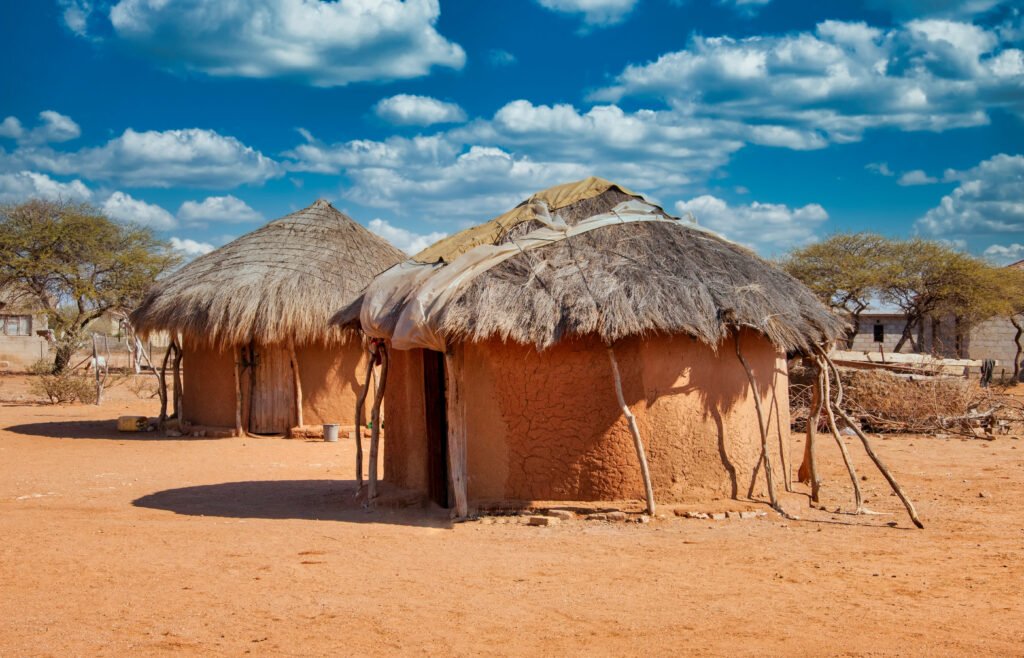
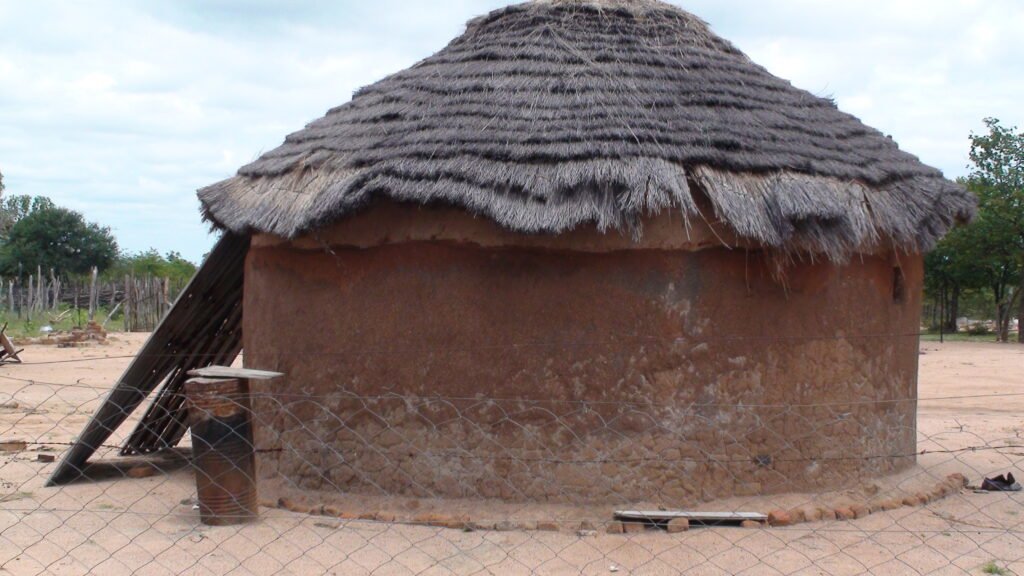
The arrival of enslaved Africans in Jamaica brought a fusion of building traditions. Africans contributed knowledge of using mud, clay, and thatched roofing techniques that proved highly adaptable to the Caribbean climate. Over time, these methods merged with indigenous designs, creating structures that were both functional and culturally resonant.
Colonial and Post-Colonial Era
European colonization introduced new materials like timber, nails, and tin, gradually changing rural architecture. While colonial influence brought certain design elements, many Jamaicans continued to favor simple, portable huts suited to farming and rural life. Post-colonial developments saw a mixture of traditional styles with modern materials, ensuring the huts remained relevant while preserving their cultural identity.
Types of Jamaican Huts
Chattel Houses
- Portable wooden homes designed for tenant farmers.
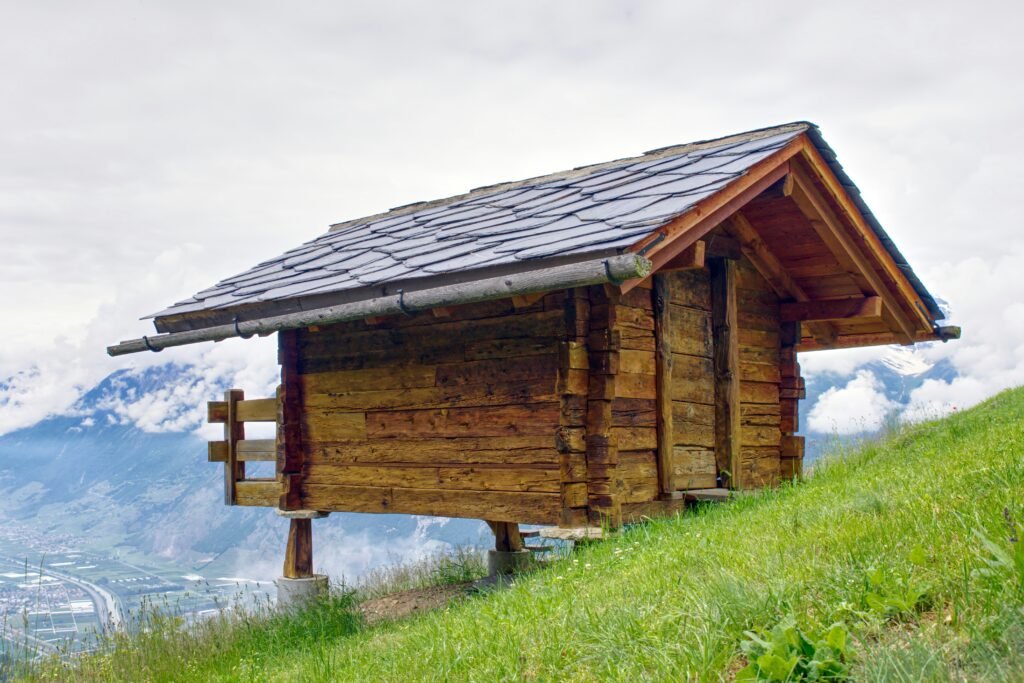
- Characterized by raised floors, gable roofs, and wooden slats.
- Symbol of Jamaican resourcefulness and adaptability.
Palm and Thatched Roof Huts
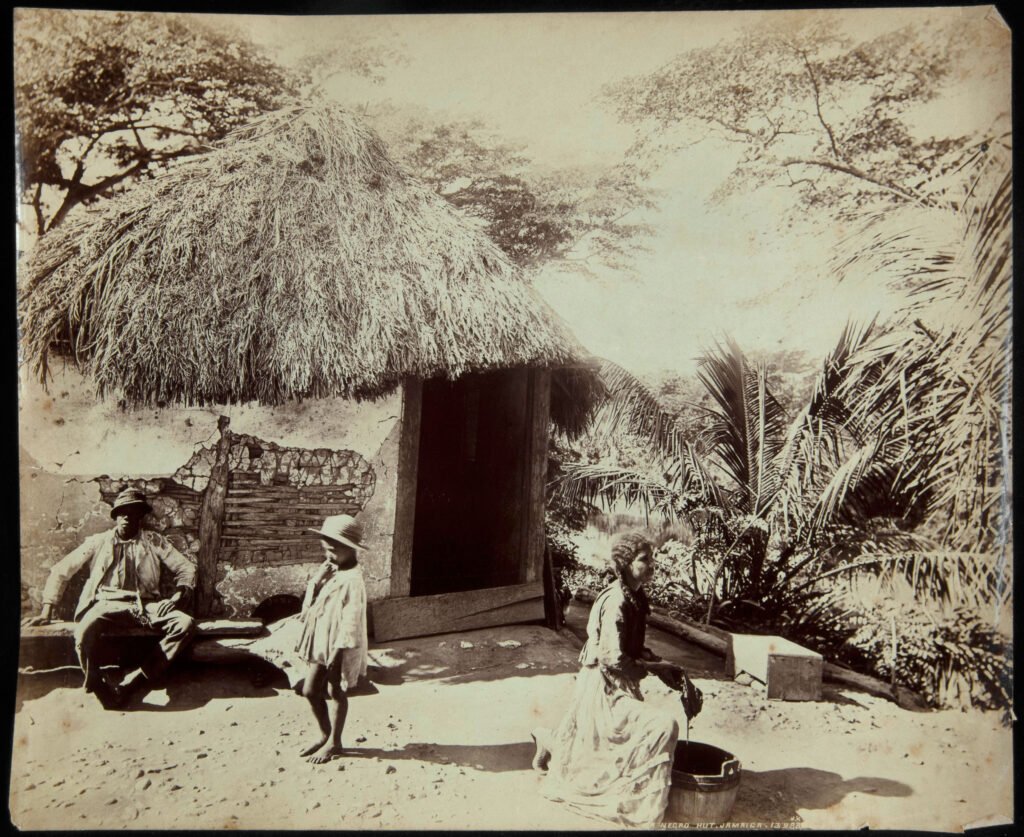
- Constructed with bamboo, wood, and palm leaves.
- Lightweight, ventilated, and perfect for tropical climates.
- Commonly used in rural areas for temporary housing or community spaces.
Modern Adaptations
- Incorporate cement blocks, tin roofs, and hybrid materials.
- Blend traditional aesthetics with durability against weather and time.
Materials Used in Jamaican Hut Construction
Natural Materials
- Wood: Main structural component
- Bamboo: Flexible support for walls
- Palm leaves & thatch: Insulated roofing material
- Mud & clay: Sturdy wall reinforcement
Modern Materials
- Tin sheets: Long-lasting roofing
- Cement blocks: Strengthened foundations and walls
- Hybrid combinations: Preserve cultural authenticity while improving durability
How Jamaican Huts Are Made: Step-by-Step
1. Site Selection
Choosing the right location is crucial. Builders consider terrain, drainage, and proximity to resources like water and wood. Elevated sites are preferred to prevent flooding.
2. Foundation Construction
Traditional huts often use wooden posts or stone foundations, while modern versions may use cement. Foundations are carefully leveled to ensure stability.
3. Wall Construction
Walls are crafted using timber, bamboo, or a mixture of mud and wood. Frames are built first, then filled with mud or clay in traditional huts, or cement blocks in modern adaptations. Reinforcement ensures the structure can withstand wind and rain.
4. Roof Construction
The roof is a defining feature. Thatched roofs are layered carefully with palm fronds, while tin roofs are nailed onto wooden frames. The goal is to create a waterproof, durable covering that also allows airflow to keep the interior cool.
5. Interior Design and Layout
Interiors are simple yet functional. A typical layout includes a main living area, sleeping space, and storage. Furniture is often handmade from local wood, maintaining the rustic charm of the hut.
Cultural Significance of Jamaican Huts
Jamaican huts symbolize tradition, community, and self-reliance. They are featured in festivals, local stories, and art, representing a deep connection to the island’s heritage. For rural communities, huts are practical homes and cultural landmarks.
Preservation and Challenges
Despite their cultural importance, traditional hut-building practices face challenges. Urbanization, modern construction methods, and economic pressures threaten the survival of these iconic structures. However, efforts by local artisans, heritage organizations, and cultural preservation initiatives aim to maintain the craft and pass knowledge to future generations.
- Urbanization and modernization threaten traditional hut-building practices
- Heritage organizations are promoting workshops and documentation to preserve skills
- Hybrid construction ensures survival of style while meeting modern needs
FAQs About Jamaican Huts
Q1: How long does it take to build a traditional Jamaican hut?
A1: Depending on size and materials, 3 days to several weeks.
Q2: Are Jamaican huts still common today?
A2: Yes, especially in rural communities and heritage sites.
Q3: Can anyone build a Jamaican-style hut today?
A3: Yes, with proper guidance, materials, and traditional techniques.
Q4: How much does it cost to build a traditional hut?
A4: Costs vary, but traditional huts are generally more affordable than modern homes.
Conclusion
Jamaican huts are living symbols of the island’s history, culture, and ingenuity. From indigenous Taino designs to modern adaptations, these structures reflect a unique blend of practicality and tradition. Preserving and celebrating these huts ensures that future generations can appreciate Jamaica’s rich architectural and cultural heritage.