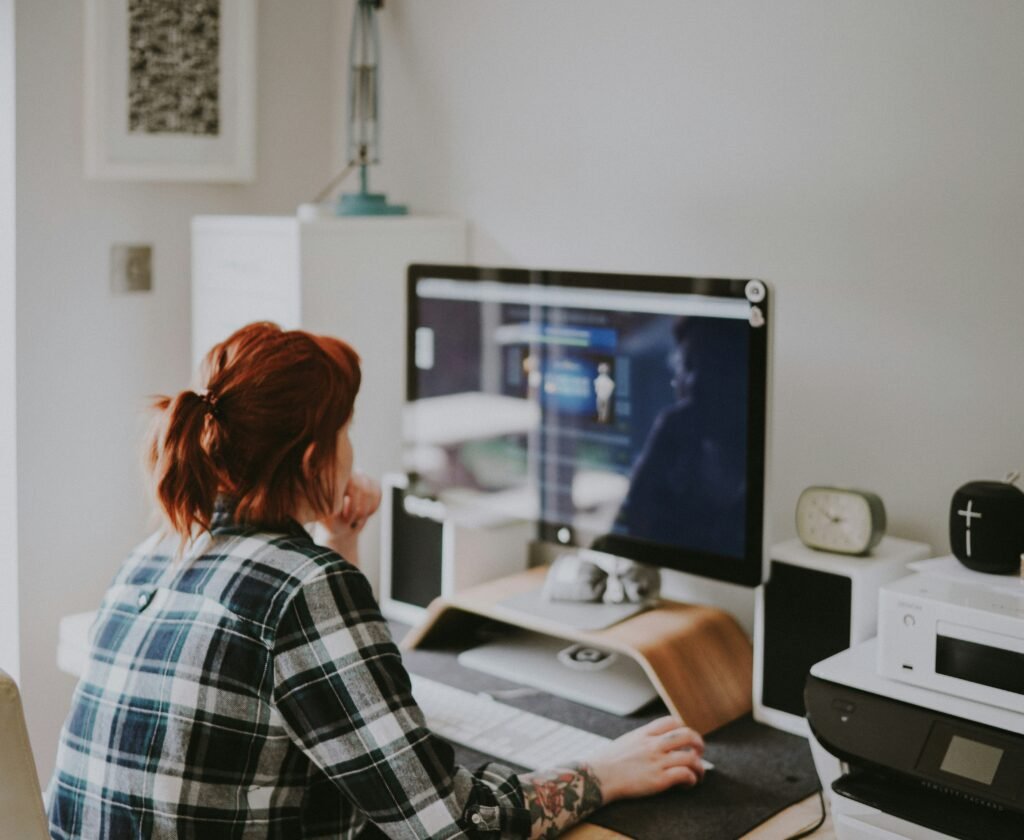
The queer sensation of sitting after hours of being at work, tight shoulders, stiff back, and brain fog affected nearly everybody who works at home. Telecommuting is easy: there is no travel, coffee at hand, and a seat that fits. However, the available research indicates that individuals who work remotely spend an increased time sitting in one position than those in an office. It is not completely compensated for by going to the gym later in the day.
The study, published in the American Journal of Lifestyle Medicine (2024), reports that continuous sitting of 8 hours or more is associated with a significant risk of cardiovascular disease, type 2 diabetes, and metabolic syndrome. Even short rest periods of several minutes have been shown to improve metabolic parameters and reduce stiffness.
Throughout the day, small deliberate actions such as stretches, short walks, or standing during calls can enhance circulation, oxygen supply, and even cognitive abilities. Even a few sessions of engaging in activities may feel refreshing and will not leave one feeling tired, as he or she might after a long working day.
Why Sitting All Day Isn’t Actually “Fine”
Now we can dissect science a little further, since it is not just about back pain or comfort. The health impact of excessive sedentary behavior, particularly in a home office where a trip to the kitchen may be the only physical activity for several hours, is well known.
Threats of Chronic Diseases Exist.
The systematic review above did not simply search for a few studies. It combined the results of the research that included almost a million individuals to demonstrate that excessive levels of sedentary lifestyles are linked to severe health outcomes: heart disease, diabetes, and premature death, among others. Not only do people feel slower, but it is a warning sign of diseases that decrease lifespan.
Sitting Break-ups Benefit Metabolism.
Studies indicate that breaking up long periods of sitting with short breaks of light or moderate exercise (such as walking) every 20-30 minutes has led to significant changes in post-meal glucose levels, insulin spikes, and even triglycerides within a day. These indicators are directly related to cardiometabolic health, i.e., that exercise is not only beneficial for how a person feels but also for how their body processes energy and maintains balance.
Musculoskeletal Strain Is More Than Just “Sore”
Office jobs often involve prolonged forward head posture, rounded shoulders, and tight neck muscles. A study found that long sedentary lifestyles (more than 6 hours a day) were associated with approximately twice the risk of neck pain, especially among computer users. That is consistent with daily life, where tension can crawl into the neck and shoulders from too much time spent sitting at a laptop.
Brain Health Is Tied to Movement
Independent studies of the elderly over a longer period indicate that excessive sitting is linked to cognitive impairment and reduced brain volume, even among exercise participants. Sitting is not only bad for blood circulation but is also associated with reduced risk of neurodegenerative changes and improved long-term cognitive performance when interrupted frequently.
When the pain is revealed or productivity declines after hours of straight work, it is not only a perception but also the body’s reaction to varying degrees of exhaustion.
Desk‑Friendly Movement Hacks That Actually Work
It is one thing to know that prolonged sitting has actual consequences. Another thing to do throughout the working day is to address it when there are time deadlines, and productivity is the coffee. Fortunately, there are a number of small, manageable habits that can be integrated into everyday home office practice and scientifically split up the time spent sitting.
Micro‑Movements: Tiny, Frequent Breaks
The concept here is not to redesign your workout routine, but rather to include snacks of movement. Even a few minutes of intermittent activity during long sitting can enhance glucose metabolism and combat physical rigidity. These consist of brief bursts that imply actual physiological effects.
Between Tasks:
- Rolls on the neck and shoulders: Relaxes the muscles and stretches those that contract during face-to-screen time.
- Seated spinal twists: Helps in the spine counteract lower back stiffness, which accumulates as one sits.
- Standing calf raises or seated leg lifts: Keep the muscles active, not completely inactive.
The process itself is simple: active muscles prevent blood from stagnating and pump it, promoting physical comfort and supporting metabolism.
Tech‑Enabled Prompts to Interrupt Sitting
Even basic electronic prompts can be behavioral change agents. A recent systematic review concluded that computer prompts and activity cues decreased workplace sedentary time by approximately 12.5 minutes/ 8-hour day, and daily step counts had been raised by approximately 1,030 steps. Those figures may appear insignificant, yet in weeks and months they accumulate.
How Prompts Work in Practice:
- A pop-up that reads “stand and stretch for 2 mins.”
- One of the smartwatch notifications that reminds you to stand after every 30 minutes.
- A Pomodoro timer was turned into a movement alarm.
The effect of these digital nudges is successful since they disrupt automatic sitting behavior and protracted periods of non-activity as the new default behaviour.
Breaking the Sedentary Pattern, Not Just the Chair
Studies on office employees indicate that not all sitting, but rather the distribution of sitting throughout the day, is important. After over 12 hours a week, office workers were more likely to sit for bouts of 60+ minutes and were at greater risk of metabolic and vascular dysfunction.
It takes your body, on a neurological and metabolic level, to remember to activate by breaking that habit, even temporarily. Strolling around to get water, standing up when on a phone, or doing some squats every hour or so, all these activities help to reset muscle tone and improve their circulation and to keep their metabolism more on the alert all day long.
Short Workouts During the Workday
The issue with sitting is not alone; a home office can easily make the human body lazy all day. Movement snacks in studies are often described as short, spaced-out bursts of activity that have a strong ability to enhance circulation, energy, and metabolic well-being.
A 2023 study comparing the effects of short exercises performed during working hours and regularly in office workers found that those who exercised experienced significantly lower postprandial glucose spikes and better cardiovascular outcomes than their sedentary counterparts.
Quick Bodyweight Circuits
- Squats, lunges, push-ups, planks: 5-10 minutes, more than once a day, can exercise the muscles and raise the heart rate without leaving the working area.
- These activities activate multiple muscle groups, enabling the body to use more oxygen and boosting energy levels. Lab experiments have shown that brief sessions of bodyweight circuit training can increase the heart rate enough to produce cardiometabolic effects even in sedentary subjects.
Desk HIIT (High-Intensity Intervals).
30-second high-intensity activities with 15-30 seconds of rest, repeated 3-5 times, may increase metabolism and alertness.
Exercise physiology studies have shown that micro-HIIT has beneficial effects on post-lunch energy crashes and on long-term insulin sensitivity, despite being conducted in short sessions.
Stretching and Mobility Routines
- Morning: Wake up the muscles and joints gently to handle hours of sitting ahead.
- Midday: Reverse the rigidity, especially in the shoulders, neck, and lower back.
- Evening: Undo position and put the spine at rest, and log out.
It has been shown that musculoskeletal discomfort among office workers can be reduced by various stretches by as much as 40% among those who sit for long hours.
Optimizing the Workspace for Movement
The organization of a home office will either promote movement or support sedentary behaviors. Even minor ergonomic and environmental modifications can lead to quantifiable changes in posture, circulation, and productivity.
Ergonomics That Support Health
Sit-stand converts or tweakable desks eliminate extended sitting and enhance comfort.
- The National Institute for Health and Care Excellence (NICE) conducted a study that found that employees using adjustable workstations reduced their sitting time by more than 20 minutes per day and reported fewer neck and back discomfort complaints.
- The height of the monitor and the chair’s support are critical; when improperly set up, the result is constant neck strain and a backward head position, both of which are associated with long-term musculoskeletal disorders.
Environmental Prompts and Cues
- Smartwatch notifications, sticky notes, or digital reminders enhance compliance with the movement practices.
- The reviewed systematic data indicate that cue-based interventions enhance standing and walking breaks, thereby significantly reducing overall sedentary time.
Hydration and Active Breaks
- Having water slightly out of reach will naturally prompt standing or short walks.
- This approach, paired with stretch cues, has been demonstrated to increase steps per day and reduce inactivity, without affecting workflow.
Lifestyle Habits Beyond the Desk
The movement should not be restricted to the desk. The in-workday exercises can be boosted by small lifestyle practices.
- Walking calls or meetings: Replace a video call each day with a walking call. Even moderate exercise has been shown to benefit cardiovascular indicators and mental alertness.
- Using the stairs: Climbing up and down the stairs regularly strengthens the legs and increases heart rate after short periods.
- Brief outdoor sessions: The sunlight stream helps to maintain the circadian rhythm and mental concentration, whereas airing out relieves stress.
- Stretching before and after work: Mobility, good posture, and indicates the beginning or position of the working day to the nervous system.
Cumulative health benefits are accrued even when small changes like these are combined. Studies on workplace wellness show that employees who incorporate lifestyle movement activities are more energetic, less prone to muscle pain, and more mentally alert.
Tracking Progress and Building Consistency
Behaviour is strengthened by measurement. Monitoring activity provides accountability and data to tweak routines effectively.
- Electronically tracking, or merely recording, breaks, mini workouts, or steps can make them more consistent.
- Small set targets (e.g., five movement breaks daily or 1,000 additional steps) lead to tangible changes in circulation, energy, and posture.
- Behavioral studies show that self-observation enhances habit formation, and hence, micro-movements are more likely to persist in the long run.
Common Mistakes to Avoid
Despite having a good plan, mistakes may decrease the success of office fitness strategies:
- Sedentary behavior despite interval: Short-term movement patterns can only work well when repeated daily.
- Missing warm-ups: Mini-circuits are also violent to muscles when cold.
- Disregarding the posture or ergonomics: Incorrect positioning will nullify the advantages of each stretch or movement break.
- Exercising too much in a single session: Multiple micro-bouts of exercise throughout the day are more effective than a single session for overcoming the effects of sedentary behavior.
Final Thoughts
Ongoing research repeatedly demonstrates that regular micro-motions, mini-workouts, and improvements in heart rate, posture, and energy are achieved through regular movement and mini-exercises. Even simple, attentive measures can transform an office routine into an active, productive day, boosting employee performance and focus.