
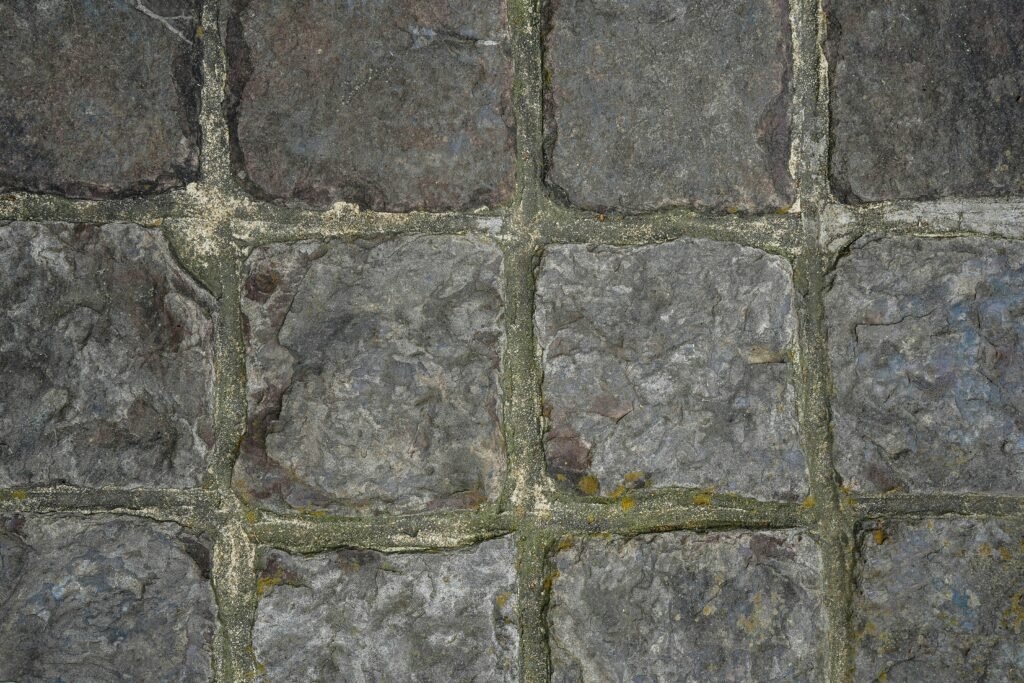
Tile floors, backsplashes, and shower walls are beautiful and durable additions to any home, but they come with one significant drawback: grout. Grout is the porous mixture of cement, sand, and water that fills the gaps between tiles, locking them in place. Unfortunately, its porous nature makes it a magnet for dirt, grease, soap scum, and mold. If you are wondering how to clean grout effectively without damaging your tiles or spending hours scrubbing on your hands and knees, you are not alone.
Cleaning grout is a common household challenge, but it does not have to be an overwhelming chore. Whether you are dealing with a minor spill in the kitchen or deep-set mildew in the bathroom, the right combination of cleaning solutions and techniques can restore your grout to its original pristine condition. This comprehensive guide will walk you through everything you need to know about how to clean grout, from gentle natural remedies to heavy-duty commercial cleaners, along with expert tips on maintaining and sealing your grout for long-lasting results.
Understanding Your Grout and Tile
Before you begin mixing cleaning solutions or buying commercial products, it is crucial to understand the type of grout and tile you have in your home. Using the wrong cleaner can erode the grout, discolor the tile, or strip away protective sealants.
Grout generally falls into two main categories: sanded and unsanded. Sanded grout contains fine sand particles that provide strength and prevent shrinking, making it ideal for wider tile joints, typically those larger than one-eighth of an inch. It is commonly used on floors where durability is paramount. Unsanded grout, on the other hand, is smoother and is used for narrower joints, often found on vertical surfaces like shower walls or kitchen backsplashes. A third, less common type is epoxy grout, which is highly resistant to stains and water but is more difficult to install.
Equally important is the type of tile surrounding the grout. Ceramic and porcelain tiles are highly durable and can withstand acidic cleaners like vinegar or strong alkaline cleaners like bleach. However, natural stone tiles—such as marble, granite, limestone, or travertine—are highly sensitive to acidic solutions. Applying vinegar or harsh chemicals to natural stone can cause etching, a permanent dulling of the surface. If you have natural stone tiles, you must stick to pH-neutral cleaners or products specifically formulated for stone care.
Method 1: Warm Water and a Stiff Brush
When figuring out how to clean grout, the best approach is always to start with the mildest method possible. Often, light surface dirt and dust can be removed without the need for any chemical cleaners at all.
Start by spraying warm water directly onto the grout lines. Allow the water to sit for a minute or two to loosen the dirt. Next, take a stiff-bristled nylon brush and scrub the grout lines in a circular motion. It is important to use a nylon brush rather than a metal one, as metal bristles can scratch the tile and gouge out pieces of the grout.
“In my experience, the first and perhaps most important step of grout cleaning is identifying the type of buildup on the surface. This helps me determine which kind of solution I should use for cleaning.” [1]
Once you have scrubbed the area, wipe away the dirty water with a clean, damp microfiber cloth. This method is highly effective for routine maintenance and removing fresh spills before they have a chance to set into the porous surface of the grout.
Method 2: The Power of Vinegar and Warm Water
If warm water alone is not enough to lift the grime, it is time to introduce a mild acid to the cleaning process. White vinegar is a staple in natural household cleaning because its acidity is excellent at breaking down dirt, grease, and mild soap scum.
To use this method, mix equal parts of white vinegar and warm water in a spray bottle. Spray the solution generously over the stained grout lines and let it sit for five to ten minutes. This dwell time allows the vinegar to penetrate the porous grout and loosen the embedded dirt. After the solution has rested, scrub the grout lines vigorously with your nylon brush. Finally, wipe the area clean with a damp cloth or mop.
It is important to note that vinegar should only be used on sealed grout and should never be used near natural stone tiles, as the acid can cause irreversible damage to the stone’s finish.
Method 3: Baking Soda and Vinegar Paste
When dealing with more stubborn stains, you need a cleaning solution that provides both chemical breakdown and physical abrasion. The combination of baking soda and vinegar is a classic and highly effective method for deep cleaning grout.
Begin by mixing baking soda with a small amount of water to form a thick paste. Apply this paste directly to the grout lines, ensuring they are fully covered. Next, spray the equal-parts vinegar and water solution over the baking soda paste. You will immediately see a chemical reaction as the mixture begins to bubble and foam. This foaming action helps to lift dirt and stains out of the microscopic pores in the grout.
Once the bubbling stops, take your stiff-bristled brush and scrub the grout lines. The baking soda acts as a gentle abrasive, physically scrubbing away the grime without scratching the tile. After scrubbing, rinse the area thoroughly with clean water and wipe it dry to prevent the dirty water from settling back into the grout.
Method 4: Hydrogen Peroxide for Tough Stains
For moderate to severe stains, particularly those caused by mold or mildew in damp environments like bathrooms, hydrogen peroxide is an excellent alternative to harsh chemical bleaches. Hydrogen peroxide is a natural bleaching agent that kills fungal spores and lightens discoloration safely.
You can use standard three percent hydrogen peroxide straight from the bottle. Spray or pour it directly onto the stained grout and let it sit for ten to fifteen minutes. For an even more powerful cleaning solution, you can create a paste by mixing hydrogen peroxide with baking soda.
“To make a homemade grout cleaner, mix 1 tablespoon liquid dish soap with 1/2 cup baking soda and 1/4 cup hydrogen peroxide in a shallow dish or a squeeze bottle. Apply the solution to the grout lines and allow it to stand for 5 to 10 minutes.” [2]
Apply the paste to the grout, let it dwell, and then scrub with your nylon brush. The combination of the bleaching power of hydrogen peroxide and the abrasive nature of baking soda makes this one of the most effective natural methods for restoring the original color of your grout.
Method 5: Oxygen Bleach for Deep Cleaning
When natural remedies are not quite enough to tackle years of accumulated grime or heavy mold, oxygen bleach is the next step up. Oxygen bleach, commonly sold in powdered form under brand names like OxiClean, is a powerful cleaner that is safer and less toxic than traditional chlorine bleach.
To use oxygen bleach, ensure the room is well-ventilated. Mix the powdered bleach with warm water according to the manufacturer’s instructions. Apply the solution to the grout lines, ensuring they are fully saturated. The key to success with oxygen bleach is dwell time; you must allow the solution to sit on the grout for at least ten to fifteen minutes. During this time, the oxygen ions are released, breaking down the bonds of the stains and lifting them to the surface.
After the solution has had time to work, scrub the grout lines with your brush. You should notice the dirt lifting away much more easily. Rinse the area thoroughly with clean water to remove any residual cleaner and dirt.
Method 6: Commercial Grout Cleaners
If you prefer the convenience of a ready-made product, there are numerous commercial grout cleaners available on the market. These products are specifically formulated to tackle the unique challenges of porous grout and often contain powerful surfactants and stain removers.
Products like Grout-EEZ are highly rated for their ability to dissolve heavy dirt and restore grout color with minimal scrubbing. Another popular and affordable option is The Pink Stuff, a mildly abrasive cleaning paste that works wonders on grease and set-in stains.
“This stuff is truly magical. Using a small dime-sized amount on a microfiber cloth was all we needed to remove dirt, grease and set-in stains from our grout lines.” [2]
When using commercial cleaners, it is imperative to read the label carefully. Ensure the product is safe for your specific type of tile, especially if you have natural stone. Always follow the manufacturer’s instructions regarding application, dwell time, and safety precautions, such as wearing gloves and ensuring proper ventilation.
Method 7: Steam Cleaning for Chemical-Free Sanitization
For those who prefer to avoid chemicals entirely, or for households with pets and small children, steam cleaning is an incredibly effective and eco-friendly way to clean grout. Steam cleaners use water heated to high temperatures, creating pressurized steam that blasts away dirt, grease, and bacteria.
Using a steam cleaner with a specialized grout nozzle attachment allows you to direct the concentrated steam right into the grout lines. The heat not only melts away grime but also sanitizes the surface, killing mold spores and bacteria on contact. While steam cleaning is excellent for lifting dirt and sanitizing, it may not completely remove deep-set color stains, so it is often best used in conjunction with a mild cleaning paste for heavily soiled areas.
Method 8: Chlorine Bleach as a Last Resort
Chlorine bleach should be considered the absolute last resort for cleaning grout. While it is highly effective at killing mold and bleaching stains white, it is a harsh, caustic chemical that can break down the structural integrity of the grout over time. Repeated use of chlorine bleach will cause the grout to become brittle, crack, and eventually wash away.
If you must use chlorine bleach for an extreme case of mold, use it sparingly. Never mix chlorine bleach with vinegar or any other acidic cleaner, as this combination produces highly toxic chlorine gas. Apply the bleach, scrub the area, and rinse it exhaustively with clean water to ensure no chemical residue remains on the floor or walls.
The Importance of Sealing Your Grout
Learning how to clean grout is only half the battle; the other half is keeping it clean. Because grout is inherently porous, it acts like a sponge, absorbing liquids, oils, and dirt. The most effective way to protect your grout and reduce the frequency of deep cleaning is to apply a high-quality grout sealer.
A grout sealer penetrates the pores of the grout, creating a protective barrier that repels water and oil-based stains. Grout should be sealed immediately after it is installed and has fully cured. However, sealants wear down over time due to foot traffic and routine cleaning. As a general rule, you should reseal your grout every one to two years, or more frequently in high-traffic areas or wet environments like showers.
To test if your grout needs resealing, sprinkle a few drops of water onto the grout line. If the water beads up and sits on the surface, your sealant is still intact. If the water darkens the grout and absorbs into it, it is time to apply a fresh coat of sealer.
Routine Maintenance Tips
Maintaining clean grout is much easier than trying to restore it after years of neglect. By incorporating a few simple habits into your regular cleaning routine, you can keep your tiled surfaces looking fresh and bright.
First, wipe up spills immediately, especially in the kitchen where acidic liquids like tomato sauce or wine can quickly stain light-colored grout. Second, ensure proper ventilation in your bathrooms to reduce humidity and prevent the growth of mold and mildew. Running an exhaust fan during and after a shower makes a significant difference.
Finally, perform a light cleaning of your grout lines once a week or every two weeks using a mild, pH-neutral cleaner or a simple mixture of warm water and a drop of dish soap. Regular maintenance prevents dirt from embedding deeply into the pores, ensuring that your grout remains a beautiful complement to your tile rather than an eyesore.