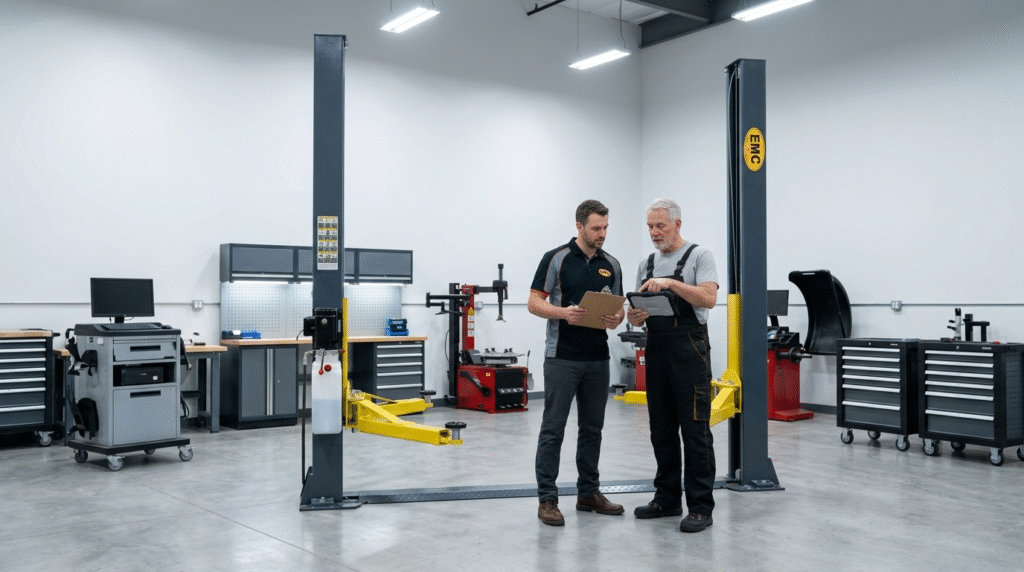
Growth is exciting for any business, but it also brings new challenges. As production increases and daily operations become more demanding, the equipment that once met your needs may no longer be enough. Whether you’re expanding a warehouse, upgrading a manufacturing facility, or taking on larger projects, investing in the right equipment becomes one of the most important decisions you’ll make.
The right machinery can improve productivity, reduce operating costs, and create a safer working environment. On the other hand, purchasing equipment that doesn’t match your business needs can lead to unnecessary downtime, higher maintenance costs, and expensive replacements.
If your business is preparing for its next stage of growth, here’s what you should consider before making your next equipment investment.
Start by Understanding Your Operational Needs
Before comparing brands or prices, take a step back and evaluate how your business operates today and where it’s headed in the next few years.
Ask yourself questions such as:
- What tasks consume the most time?
- Which processes create bottlenecks?
- Is current equipment reaching its capacity?
- How much future growth do you expect?
Understanding these factors helps narrow your options and prevents buying equipment that’s either too small or far more capable than your operation actually requires.
The best purchasing decisions are based on long-term business goals rather than short-term convenience.
Prioritize Reliability Over Initial Cost
It’s tempting to focus on the lowest purchase price, especially when budgets are tight. However, equipment should be viewed as a long-term investment rather than a short-term expense.
Lower-cost machines may require more frequent repairs, consume more energy, or experience unexpected downtime. Those ongoing costs often exceed the initial savings.
Reliable industrial equipment is built for demanding environments and continuous use. Durable construction, quality components, and dependable performance help businesses maintain productivity while reducing maintenance expenses over time.
When comparing products, consider the total cost of ownership rather than the purchase price alone.
Match Equipment to Your Industry
Every industry has unique operational requirements.
Construction companies often prioritize mobility and durability.
Warehouses focus on storage efficiency and material handling.
Manufacturers may require precision, automation, and continuous operation.
Agricultural businesses need equipment capable of performing in changing weather conditions.
Selecting equipment designed specifically for your industry usually results in better performance and a longer service life.
Consider Future Growth
One of the most common purchasing mistakes growing businesses make is buying equipment that only meets today’s requirements.
Business growth rarely happens overnight, but it often happens faster than expected.
If production increases by 30 or 40 percent within a few years, will your equipment still meet demand?
Choosing machinery with additional capacity can help avoid costly replacements and operational disruptions later.
Scalable equipment often provides greater long-term value even if the initial investment is slightly higher.
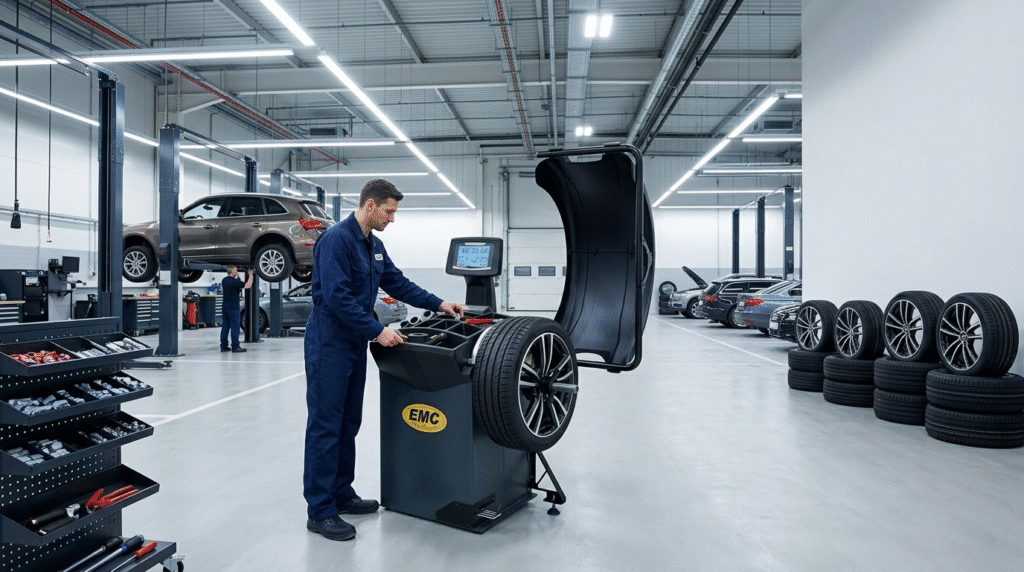
Don’t Overlook Safety Features
Productivity should never come at the expense of worker safety.
Modern industrial equipment often includes features such as:
- Emergency stop controls
- Safety guards
- Overload protection
- Improved visibility for operators
- Ergonomic controls
- Automatic warning systems
These features help reduce workplace accidents while creating a safer environment for employees.
Businesses should also ensure operators receive proper training before new equipment is placed into service.
Evaluate Maintenance Requirements
Every piece of equipment requires maintenance, but some machines are significantly easier to service than others.
Before making a purchase, consider:
- Availability of replacement parts
- Manufacturer support
- Recommended maintenance intervals
- Local service availability
- Warranty coverage
Equipment that can be maintained quickly minimizes downtime and keeps operations running smoothly.
Preventive maintenance schedules also help extend equipment life while reducing unexpected repair costs.
Energy Efficiency Matters More Than Ever
Operating costs don’t end after the equipment arrives.
Energy consumption can represent a significant portion of long-term operating expenses, particularly for businesses running machinery throughout the day.
Modern equipment is often designed with improved motors, hydraulic systems, and electronic controls that reduce energy usage while maintaining strong performance.
Although energy-efficient equipment sometimes costs more upfront, many businesses recover that investment through lower utility costs over time.
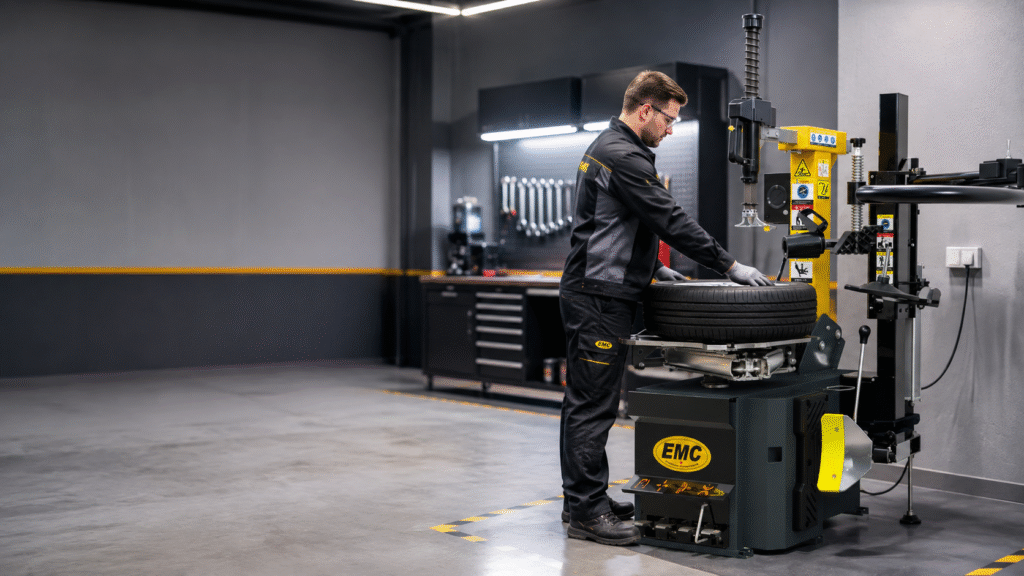
Work With a Trusted Supplier
The quality of the supplier is often just as important as the quality of the equipment itself.
A reputable supplier can help businesses choose equipment based on operational requirements instead of simply recommending the most expensive option.
They should also provide:
- Product expertise
- Technical support
- Replacement parts
- Warranty assistance
- Reliable customer service
Building a relationship with a knowledgeable supplier makes future equipment upgrades much easier as your business continues to grow.
Businesses exploring dependable industrial machinery should look for suppliers with a broad selection of products designed for commercial and industrial applications, along with the experience to recommend solutions that fit specific operational needs.
Think About the Total Cost of Ownership
Smart purchasing decisions go beyond the initial invoice.
When comparing equipment, evaluate:
- Purchase price
- Maintenance costs
- Energy consumption
- Expected lifespan
- Productivity improvements
- Potential resale value
Looking at the bigger picture often reveals that the least expensive option isn’t always the most economical over the life of the equipment.
Final Thoughts
Growing businesses depend on reliable equipment to maintain productivity, improve efficiency, and support future expansion. Choosing machinery based solely on price can lead to unnecessary expenses later, while investing in quality equipment often pays dividends for years to come.
By carefully evaluating operational needs, prioritizing safety, considering long-term maintenance, and selecting dependable industrial equipment, businesses can build a stronger foundation for sustainable growth. Partnering with a trusted supplier that offers durable industrial machinery also helps ensure every investment contributes to improved performance, reduced downtime, and greater confidence as the business continues to expand.