
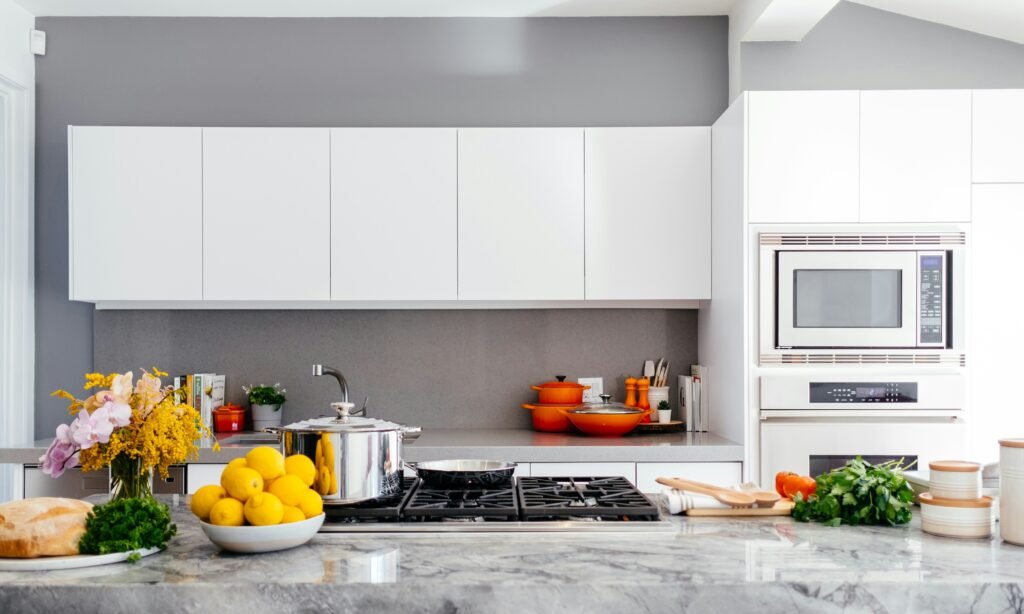
If your kitchen feels chaotic, the problem is rarely a lack of space. The problem is usually how that space is being used. Kitchen organization is about setting up systems that match how you actually cook, clean, and live.
When you organize a kitchen correctly, cooking becomes faster. Cleaning takes less effort. You stop buying duplicate ingredients because you can actually see what you have.
This guide covers practical kitchen organization ideas for every zone, including deep cabinets, messy drawers, cluttered countertops, and tiny pantries.
The Quick Rundown
- Start with a brutal edit. Empty every cabinet and drawer. Throw away expired food, donate unused gadgets, and toss broken tools.
- Create functional zones. Group items by how you use them: a prep zone near the cutting boards, a cooking zone near the stove, and a cleaning zone near the sink.
- Store items at the point of use. Keep pots and pans near the stove. Keep coffee mugs directly above the coffee maker.
- Use the first in, first out method. When putting away groceries, move older items to the front and place new items in the back.
- Decant dry goods. Transfer staples like flour, sugar, and rice into clear, airtight containers to keep them fresh and visible.
- Maximize vertical space. Add shelf risers inside tall cabinets to double your storage capacity.
- Use the inside of cabinet doors. Install racks or adhesive hooks to hold pot lids, measuring spoons, or cleaning supplies.
- Keep the counters clear. Only leave out appliances you use every single day. Store everything else.
Step One Is Always the Edit
You cannot organize clutter. Before buying a single bin or drawer divider, you must reduce the volume of stuff in your kitchen.
Take everything out of your cabinets, drawers, and pantry. Group like items together on your dining table or counters. Put all the spatulas in one pile, all the baking sheets in another, and all the canned goods together.
Seeing everything at once forces you to confront duplicates. You probably do not need four whisks or three identical garlic presses. Keep the best one or two and donate the rest.
Check expiration dates on every food item. Toss anything expired. Throw away plastic containers missing their lids, chipped plates, and gadgets you haven’t used in the last year. Be ruthless. The less you have to organize, the easier the process will be.
Organize by Kitchen Zones
Professional chefs rely on a concept called mise en place, which means “everything in its place.” You can apply this same logic to a home kitchen by setting up specific zones [1].
The Prep Zone
This area should be located near a long stretch of countertop, ideally between the sink and the stove. Store your cutting boards, knives, mixing bowls, and measuring cups here. When you are ready to chop vegetables or mix ingredients, everything you need is within arm’s reach.
The Cooking Zone
The cabinets and drawers immediately surrounding your stove and oven make up the cooking zone. Keep your pots, pans, baking sheets, spatulas, tongs, and cooking oils here. Store heavy pots in lower cabinets and lighter items in upper cabinets.
The Cleaning Zone
The area under and around your sink is the cleaning zone. Store dish soap, sponges, dishwasher detergent, trash bags, and surface cleaners here. Keep a small caddy under the sink so you can easily pull out all your cleaning supplies at once.
The Consumables Zone
This is your pantry and refrigerator. Group food by category: baking supplies, snacks, canned goods, pasta, and breakfast items.
The Non-Consumables Zone
This zone holds the items you eat on, not the food itself. Store everyday plates, bowls, glasses, and silverware near the dishwasher or sink to make unloading fast and efficient.
Kitchen Cabinet Organization Ideas
Cabinets quickly turn into black holes where Tupperware lids and obscure spices disappear. The goal is to make the contents of every cabinet visible and accessible.
Add Shelf Risers
Most upper cabinets have too much vertical space between shelves. This leads to precarious towers of plates or bowls. Insert wire or acrylic shelf risers to split that vertical space in half. You can store dinner plates on the bottom and salad plates on the top tier, allowing you to grab what you need without unstacking anything.
Install Pull-Out Trays
Deep lower cabinets are notorious for hiding items in the back. Installing pull-out sliding trays transforms a deep cabinet into a drawer [2]. You can pull the entire shelf forward to easily access a heavy Dutch oven or a stand mixer without crawling on the floor.
Use the Inside of Doors
The back of a cabinet door is wasted real estate. Mount a slim wire rack on the inside of a lower cabinet door to hold cutting boards or foil boxes. Use adhesive hooks on the inside of an upper cabinet door to hang measuring cups or lightweight pot lids.
Store Baking Sheets Vertically
Stacking baking sheets, muffin tins, and cutting boards horizontally guarantees a loud, frustrating mess every time you need the one on the bottom. Place a tension rod or a specialized vertical organizer inside a lower cabinet to stand these items upright, like books on a shelf.
Kitchen Drawer Organization Ideas
Drawers offer excellent storage, provided they are structured properly. Without dividers, a drawer becomes a junk pile every time you open and close it.
Divide Every Drawer
Never leave a drawer completely open. Use bamboo, plastic, or acrylic dividers to create specific compartments for different tools [3]. Keep silverware tightly separated. In your cooking utensil drawer, use longer dividers to separate wooden spoons from spatulas and whisks.
Create a Dedicated Spice Drawer
If you have a shallow drawer near the stove, turn it into a spice drawer. Lay spices flat using a tiered drawer insert so the labels face up. This is much more efficient than digging through a crowded upper cabinet while cooking.
Tame the Junk Drawer
Every kitchen needs a junk drawer, but it still needs structure. Use small, modular bins to corral batteries, rubber bands, pens, tape, and scissors. When every random item has a specific bin, the drawer remains functional.
Countertop Organization Ideas
Visual clutter on your countertops makes the entire kitchen feel messy, even if the cabinets are perfectly organized.
Follow the Daily Use Rule
Only keep appliances on the counter if you use them every single day. The coffee maker and toaster can stay. The blender, slow cooker, and stand mixer should be stored in a cabinet or pantry.
Corral Items on a Tray
If you must keep items on the counter, group them together on a tray [4]. Place your olive oil, salt cellar, and pepper grinder on a small wooden or marble tray near the stove. Grouping items makes them look intentional rather than messy.
Use a Magnetic Knife Strip
A bulky wooden knife block takes up valuable counter space. Mount a magnetic knife strip on the wall or backsplash instead [1]. It keeps your knives sharp, accessible, and completely off the counter.
Pantry Organization Ideas
A disorganized pantry leads to food waste. When you cannot see what you have, you buy duplicates, and items expire in the back corners.
Decant the Staples
Cardboard boxes and plastic bags look messy and tear easily. Transfer dry staples like flour, sugar, rice, oats, and pasta into clear, airtight containers. Rectangular containers stack better and waste less space than round ones.
Group by Category with Bins
Use open bins or baskets to group similar items. Create a bin for salty snacks, a bin for baking supplies, and a bin for breakfast items. This makes it easy to pull out the entire “baking” bin when you want to make cookies, rather than grabbing five different items from the shelf.
Label Everything
Labels are crucial, especially if you decant items or use opaque bins. Use a label maker, chalk markers, or pre-printed stickers. Labeling ensures everyone in the household knows exactly where items belong, making the system easier to maintain.
Use Lazy Susans in Corners
The deep corners of a pantry are difficult to reach. Place a lazy Susan in the corner to hold oils, vinegars, or condiments [5]. A quick spin brings items hiding in the back right up to the front.
Small Kitchen Organization Ideas
When square footage is tight, you have to get creative with every available inch.
Use the Top of the Cabinets
If your cabinets do not reach the ceiling, use that space. Store infrequently used items, like large roasting pans or holiday serveware, in attractive baskets on top of the cabinets.
Hang a Pegboard
A blank wall can become a massive storage center. Mount a sturdy pegboard and use hooks to hang pots, pans, colanders, and large utensils [1]. This frees up significant cabinet space and keeps your most-used tools visible.
Add a Rolling Cart
A slim rolling cart can slide into the narrow gap between the fridge and the counter. Use it to store spices, canned goods, or cleaning supplies. You can roll it out when needed and tuck it away when you are done.
Kitchen Organization Ideas for Under the Sink
The cabinet under the kitchen sink is often the most chaotic space in the room. It becomes a dumping ground for half-empty cleaning bottles, trash bags, and sponges. Organizing this space correctly prevents leaks from damaging the cabinet and makes cleaning the kitchen much easier.
Install a Pull-Out Trash Can
If your trash and recycling bins are currently sitting out in the open, move them under the sink if space allows. Install a sliding track system to hold two bins—one for trash and one for recycling. This instantly clears floor space and hides unsightly garbage.
Use a Tension Rod for Spray Bottles
Cleaning spray bottles take up a significant amount of horizontal space. Install a simple tension rod across the width of the cabinet, right under the sink basin. Hang your glass cleaners, all-purpose sprays, and dish soaps by their triggers on the rod. This frees up the entire bottom of the cabinet for heavier items.
Contain Leaks with a Mat
The area under the sink is prone to plumbing drips and spilled cleaning products. Before organizing the space, lay down a waterproof silicone mat or a hard plastic tray. If a bottle leaks or a pipe drips, the mat catches the mess, protecting the wood cabinet base from warping or rotting.
Group Sponges and Brushes in a Caddy
Wet sponges and scrub brushes need airflow to dry properly, and they should never sit directly on the cabinet floor. Store them in a small, ventilated plastic caddy. You can easily pull the entire caddy out when it is time to scrub pots and pans, then tuck it away when you are finished.
Kitchen Organization Ideas for the Refrigerator
A disorganized refrigerator leads to forgotten leftovers, spoiled produce, and wasted money. Organizing the fridge is not just about aesthetics; it is about food safety and efficiency.
Understand Refrigerator Zones
Different parts of your refrigerator maintain different temperatures. The upper shelves are the warmest, making them ideal for leftovers, drinks, and ready-to-eat foods. The lower shelves are the coldest, which is where you should store raw meat, poultry, and dairy. The crisper drawers control humidity, so use them specifically for fruits and vegetables.
Use Clear Bins for Small Items
Small items like yogurt cups, cheese sticks, and condiment packets easily get lost behind larger containers. Group these items into clear, open-top acrylic bins. You can pull the entire bin out like a drawer to grab what you need, rather than knocking over three bottles of salad dressing to reach a yogurt cup in the back.
Create an “Eat Me First” Box
Food waste happens when items get pushed to the back of the fridge and forgotten. Designate one specific bin or shelf area as the “Eat Me First” zone. Place leftovers, produce that is about to turn, and dairy nearing its expiration date in this spot. Train your household to always check this bin before opening a new package or ordering takeout.
Line the Shelves
Refrigerator shelves get sticky and gross quickly. To make cleaning easier, line the glass shelves with removable, washable refrigerator mats or simple plastic placemats. When a jar of jelly leaks, you only have to remove and wash the mat, rather than taking out the entire heavy glass shelf.
Kitchen Organization Ideas for Baking Supplies
Baking requires a specific set of tools and ingredients that are often bulky, heavy, or messy. Keeping these items organized ensures you are ready when the urge to bake strikes.
Create a Dedicated Baking Station
If you bake frequently, consolidate all your supplies into one specific cabinet or pantry shelf. Keep your stand mixer, mixing bowls, measuring cups, rolling pins, and decorating supplies in this zone. When you start a recipe, you will not have to walk across the kitchen five times to gather your equipment.
Store Sprinkles and Spices in Tins
Small baking decorations like sprinkles, food coloring, and specialized spices easily create a chaotic mess. Store these tiny items in small, uniform magnetic tins. You can stick the tins to the side of the refrigerator or a metal board mounted inside a cabinet door, keeping them visible and perfectly organized.
Use a Magazine Rack for Cutting Boards
Baking sheets, cooling racks, and large cutting boards are difficult to store flat. Repurpose a heavy-duty metal office magazine file to store these items vertically. Slide the boards and sheets into the slots, keeping them upright and easy to grab without disturbing the rest of the stack.
The Mental Shift Required for Kitchen Organization
Ultimately, the best kitchen organization ideas are useless if you do not change how you interact with the space. Organization is not a one-time project you complete on a Saturday afternoon; it is a daily practice.
You must stop treating your kitchen counters as a drop zone for mail, keys, and school papers. You must commit to putting the blender back in the cabinet after making a smoothie, rather than leaving it out “just in case” you want another one tomorrow.
When you establish clear, logical homes for every single item in your kitchen, putting things away becomes a mindless reflex rather than a chore. A well-organized kitchen respects your time, reduces your stress, and actually makes you want to cook.
Maintaining the System
Organization is an ongoing process. To keep your kitchen running smoothly, adopt a few simple habits.
Spend five minutes every evening resetting the kitchen. Put away clean dishes, wipe down the counters, and return stray items to their proper zones.
Follow the one-in, one-out rule. If you buy a new coffee mug, donate an old one. If you buy a new gadget, get rid of something you no longer use. This prevents clutter from slowly rebuilding over time.
Perform a quick audit every six months. Empty the pantry, check expiration dates, and adjust your systems if your cooking habits have changed.