
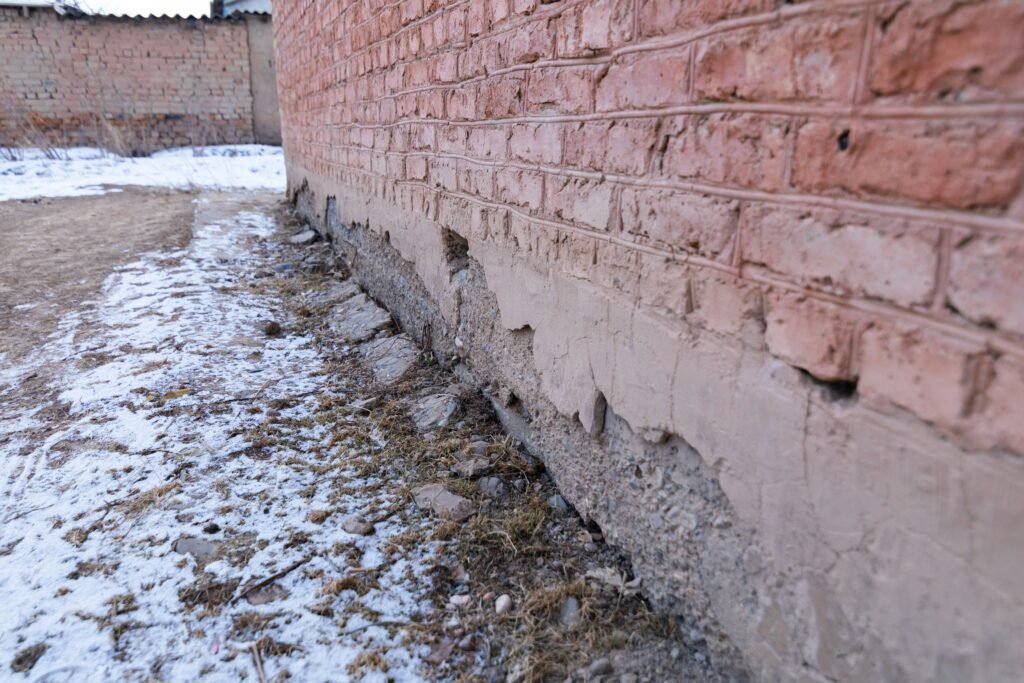
Water damage is one of the most destructive and costly problems for homeowners. While minor leaks, water stains, and unpleasant smells may seem harmless, persistent water exposure is a threat to the home’s structural integrity. Water pooling around the house and seeping into the basement has severe consequences, from mold growth to safety hazards. If you ever notice these kinds of problems in your basement, don’t ignore them; act quickly, call an experienced basement waterproofing company for an inspection, and look into preventing the problem from recurring in the future.
Causes of Water Damage
Water damage is caused by several interior and environmental factors. Sometimes, a combination of different factors weakens the foundation, and these aren’t always the most obvious.
Plumbing Failures
Plumbing issues are one of the major causes of water damage. Pipes leak or burst due to age, rust, or changes in water pressure, but when this happens in small areas like underneath a sink, the damage goes unnoticed. Leaks or pooling water can degrade the walls and floors over time or even lead to water buildup that flows into the basement. There, water soaks the building materials, weakening the structure.
Weather Related Events
Heavy rain, snow, and storms cause water to pool around the house. When the ground remains wet for too long, it exerts pressure on the foundation and causes cracks, where water then intrudes and begins degrading the foundation. At the same time, storms damage the roof and siding, especially if you have clogged drains or downspouts.
Appliance Malfunctions
Washing machines, water heaters, and dishwashers can malfunction due to age, misuse, or faulty parts. Such appliances, along with other broken pipes or valves, can release a significant amount of water. The damage spreads quickly to the walls, floor, and foundation if not addressed immediately.
Immediate Actions to Take After Water Damage
Water damage spreads quickly and unexpectedly. Immediate intervention is critical; it helps you minimize the extent of damage to the home and property.
Prioritize Safety At All Times
Safety is critical when water damage is involved. If there is major flooding, determine if you need to remove your family from the home. Wear protective gear to prevent injury and infection, and turn off appliances and the main power to avoid electric shocks and fires. Watch for sagging ceilings, bowing walls, mold growth, slippery surfaces, and any other sign of structural damage. Call a professional foundation repair company as soon as possible; they can perform an inspection and determine whether or not your home is safe.
Shut off Water Sources
If water damage stems from broken pipes, leaky valves, or malfunctioning appliances, stopping the flow of water is the first step. So, learn where each shut-off valve is located throughout your home to stay prepared for emergencies. In case of sewage or drainage system backups, stop using taps, showers, and toilets to prevent water from flowing into the blocked area.
Dry the Affected Area
If the water damage is minor, the water is from a sanitary source, and does not pose a health risk, you can dry the affected area yourself using towels, a vacuum, or a mop. Use fans, dehumidifiers, and open the windows to increase airflow and speed up drying. Be quick but thorough, because this will help prevent mold and structural damage to the foundation and surrounding structures.
Document the Damage
Proper documentation is essential for insurance and repair planning. You’ll want to take pictures and videos of affected areas, valuable items, and structural damage long before you start cleanup. That’s key for insurance purposes, too; it means your provider can address the issue properly, and that the process will go much smoother.
Contact a Team of Professionals
DIY cleanups suffice for minor issues. But serious damage requires professional expertise. Foundation damage can sometimes go unnoticed, so you’ll want to contact a reliable foundation repair and restoration company for immediate repairs. These specialists have the right knowledge and tools to restore your property and prevent future problems.
The Long-Term Effects of Water Damage
Ignoring water damage or delaying repairs can have severe consequences. But these go beyond cosmetic issues. Without professional support, the long-term effects of water damage can lead to serious structural hazards that put your family at risk.
Structural Deterioration
Water in the basement degrades construction materials and the building’s structural integrity. Materials such as drywall, wood, and insulation begin to warp, rot, and become weak due to high moisture content. This affects the foundation’s load-bearing capacity and causes uneven settlement, especially if the home isn’t waterproofed; further damage quickly develops and weakens the building’s materials.
Health Risks
Mold and mildew growth is the most common effect of water damage, developing within 24-48 hours after water intrusion and spreading throughout the house. They affect air quality with a musty smell and can also cause sore throats, skin irritation, eye irritation, coughing, and wheezing. Chronic exposure can lead to chronic respiratory conditions, recurring infections, and serious long-term health hazards.
Electrical or Fire hazards
Water can damage electric outlets, wiring, and appliances. When they corrode, they malfunction and increase the risks of fires and short circuits. Water intrusion also reduces the efficiency of HVAC systems. This is just another reason why professional inspections are so critical: they ensure the home is structurally sound, free of health and safety hazards, and safe for your family.
How to Prevent Water Damage to Your Foundation
Taking proactive measures is the best way to protect your home against water damage. They help you avoid costly repairs and stress in the future.
Waterproofing Solutions
Investing in waterproofing is the best way to safeguard your home. Many sealants can be used for small cracks and minor leaks, but addressing the root cause of the problem with professional support is critical for long-term protection. In flood-prone areas, sump pumps can collect and remove excess water to keep your basement safe and moisture-free. In other situations, you may need more advanced solutions, like new drains built into your home or preventive measures.
Regular Inspections
Routine inspections help to prevent minor issues from becoming major problems. Every few months, do a walkthrough of your property and look for any signs of water intrusion. Water-detection sensors in the kitchen, toilet, and potential leak sources also help reduce the extent of damage. Also, check plumbing for leaks and appliances for malfunctions to prevent costly repairs in the future. If you notice any serious leaks, cracks, bowing walls, or structural shifting, it’s time to call a professional.
Maintain Downspouts and Gutters
Gutters and downspouts divert water away from the home, protecting the foundation from potential damage. Clean gutters seasonally and extend the downspouts at least 10 feet away from the home. Well-maintained gutters can significantly reduce water intrusion into the home.
Final Thoughts
Water damage is a common issue that causes both immediate chaos and long-term, gradual damage. But knowing the right steps to take in case of water issues is the first step towards protecting your home from structural damage. When you understand the causes of water problems, their short-term and long-term effects, and preventive measures, you can protect the foundation and structural integrity of your home. That’s how you get peace of mind that lasts for years.