
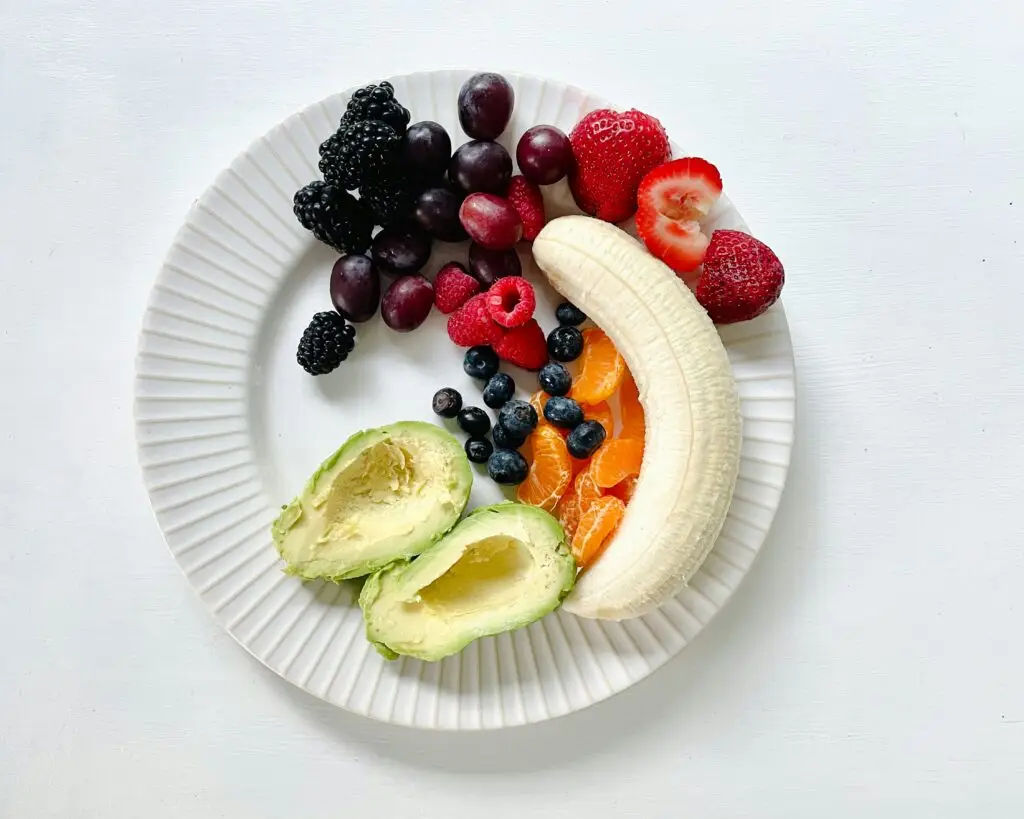
The development of muscles is not necessarily the amount you lift, but what you eat at what time. Protein provides the building blocks, carbohydrates replenish energy stores, and the timing of these nutrients in relation to your workouts can make the difference in terms of strength, recovery, and overall gains. Make sure every small change in meal timing accumulates over weeks and months, silently making a positive difference.
Muscles will remain highly sensitive to nutrients for up to 24 hours after resistance training, making this the best time to fuel them to support repair and growth. Planning meals before and after exercise is a sure way to have the energy to perform, recover more quickly, and maintain an optimal balance between muscle protein synthesis and degradation.
Let us take a look at what one should eat before and after exercise to improve performance and enhance recovery.
Science Behind Nutrient Timing
The essence of nutrient timing aligns with what you eat at times when it has the greatest benefit for your body. The muscles do not sit there and wait to be fed; they dynamically respond to exercise and nutrients, and the timing of intake can affect the synthesis of muscle protein, energy availability, and recovery.
When you lift, your muscle fibers are put under mechanical stress and microtears, and the mTORC1 signalling pathway, the primary molecular switch for activating muscle growth, is activated. Protein intake at this stage is important. Research has found that the anabolic response is increased with eating 20-40 grams of quality protein per meal. This is particularly true of leucine, an essential amino acid that can be thought of as a key: it triggers mTOR and activates muscle protein synthesis.
The complementary part is played by carbohydrates. They restore muscle glycogen, the major energy source during moderate-to-vigorous intensity resistance exercise. Reduced glycogen is associated with reduced fatigue, decreased force production, and reduced training volume. Carbs post-workout also increase insulin levels, helping ferry amino acids into muscle cells and inhibiting protein breakdown.
The time is the best one around exercises, but there is no exact number of minutes. Research has shown that muscles are very sensitive to nutrients within 24-48 hours after training, indicating that the so-called anabolic window is far wider than many people assume. It is all about strategic distribution. Repeated anabolic pulses, created by distributing protein doses at 3-5 hour intervals, are more effective than continuous grazing.
Pre-Workout Nutrition: Strength and Performance of the Fuel
Nutritious pre-workout nutrition involves not only preventing hunger but also preparing the body to perform optimally. Pre-workout foods are the right foods that provide energy for high-intensity lifting, support concentration, and help maintain muscle during training.
In its absence, even structured sessions might seem more cumbersome, sets might tire faster, and post-session recovery might take longer. When the pre-workout meal is timed well, it helps ensure that the muscles, nervous system, and energy stores are all set to go.
Goals of Pre-Workout Nutrition
The major objectives prior to lifting include as many goals as possible to improve strength, endurance, concentration, and muscle pump, while limiting fatigue and muscle breakdown. Carbohydrates replenish glycogen stores, providing the body with energy to sustain repeated workouts.
Protein is known to circulate essential amino acids in the blood. It prevents catabolism during the session and prepares the muscles to grow after it. Even minor changes, such as taking a banana or a small protein drink before a workout, can have a subtle effect on performance and efficiency in the gym.
Fats, on the other hand, take time to digest, and hence taking many of them right before the workout will leave you feeling slow. Fats in a later meal are also better than carbs and protein, which are best right before a workout. Hydration is also important.
Even a 2% loss in body mass, in the form of sweat, can reduce strength, endurance, and mental concentration. Water consumption and electrolyte replacement (particularly sodium and potassium) would help maintain performance and comfort during the session.
What to Eat and Timing
Pre-workout nutrition consists of carbs, working horse. Complex carbohydrates, such as oats, sweet potatoes, or brown rice, are the best options when consumed 34 hours prior to exercise to sustain energy demands during hard workouts.
About 60 to 90 minutes before, a light meal or a smoothie containing fast-digesting carbohydrates and a small amount of protein would be suitable.
Examples include yogurt with fruit, a protein shake with a banana, or rice cakes with nut butter. To be on the safe side, when it comes to pre-workout snacks, it is best to opt for something light and easy to digest, such as a small banana or a bunch of dates, to avoid stomachaches.
Protein should be included in all pre-workout foods, about 15 to 25 grams, depending on body size and the severity of training. Whey protein or lean foods such as eggs, chicken, or vegetarian powders are used to ensure there are enough amino acids to prevent breakdown and trigger muscle protein synthesis.
The combination of carbs and protein creates synergy: not only does energy reach the performance, but also muscles are ready to give up and develop.
Supplement Considerations
There are additional advantages that are added by some of the supplements. Pre-training caffeine intake at 3-6 mg/kg body weight enhances focus, strength, and power. Creatine does not require strict timing, but it can be taken conveniently prior to training to maintain consistency.
Beta-alanine helps buffer lactic acid and increase muscular endurance, while citrulline malate can increase blood flow, helping prevent fatigue during very high-volume sessions. These are not necessities, but for those who have to approach intense workouts, they can make the process feel more comfortable and effective.
Intra-Workout Nutrition: Do You Need It for Strength Gains?
Intra-workout nutrition is not required for most bodybuilders, particularly when sessions are less than an hour. Water by itself is usually sufficient to support performance during normal gym exercises.
However, as training duration increases, intensity increases, or when training includes several sessions throughout the day, pre-workout feeding can make a significant difference. It is useful for conserving energy, reducing fatigue, and protecting muscles from excessive breakdown during high-volume or fasted training.
Intra-Workout Nutrition When It Is Effective.
Intra-workout nutrition is beneficial when the workout duration exceeds 90 minutes, high-volume lifting is performed, or workouts can be done in a fasted state or twice a day. During such instances, energy stores may decline in the middle of the session, leading to lower performance, and catabolic stress may rise, slowing recovery.
Carbohydrates or amino acids, even in small quantities, during training can help maintain high intensity, keep focus solid, and support the continuation of strength adaptations.
What to Consume During Training
First, it is always hydrated first. Consuming water always prevents premature fatigue and maintains coordination and strength.
The electrolytes, including sodium, potassium, and magnesium, are essential to you when you are sweating too much; they help prevent cramping, maintain normal fluid balance, and support your energy systems. One can absorb 20-60 grams of rapidly absorbed carbohydrates per hour, such as dextrose or cyclic dextrin, to stabilize blood glucose and avoid fatigue.
Though it takes a long time to take action. Essential amino acids, such as BCAAs, are optional and may help reduce muscle breakdown during fasting or very prolonged exercise.
Most gym-goers who engage in simple 45 to 60-minute strength training do not need intra-workout nutrition. Nevertheless, for athletes who require more difficult and extended training, it is a handy supplement that helps maintain high power, preserve movements at the right density, and recover faster.
Post-Workout Nutrition: The Best Time To Build Muscles and Recover.
The muscles are in a hyper-nutritious condition following a workout. It is also known as the anabolic window, though studies show it can last up to 2 hours. Nutrient intake during this age is extensive, as it influences glycemic re-establishment, muscle protein synthesis, and hormone recovery, which are paramount for strength building and fatigue alleviation.
Loss of this window or delayed nutrient intake can flatten adoptions, exacerbate fatigue, and slow recovery, particularly in an athlete under regular or extreme training.
Why Post-Workout Nutrition Is Critical
- The level of glycogen stores would reduce to 30-40 per cent. after the exercise, depending on its intensity and duration.
- Efficient replacement of glycogen, especially in case of carb intake in 0.51 g/kg body weight during the first 1-2 hours.
- Muscle protein synthesis Stimulation by leucine-rich sources of proteins (20–40 g).
- Regulating the post-exercise hormones such as insulin, cortisol, and growth hormone, which govern nutrient absorption and recuperation.
Ideal Macronutrient Ratio After Training
There is evidence that 20-40 grams of high-quality protein and 0.5-1 gram of carbohydrates per kilogram of body weight are most effective for restoring glycogen and building protein. Fats are acceptable in moderation, though they slow digestion a bit; they do not prevent nutrient absorption when consumed with protein and carbs. Indicatively, an athlete with a body weight of 70 kg may take 25g of whey protein and 50g of carbs after training to achieve maximum recovery.
Best Post-Workout Protein Sources
The leucine level is highly advantageous because it is rapidly digested and stimulates mTOR signalling, which is required for muscle building. Complete amino acids and micronutrients may be found in whole foods, such as chicken, eggs, fish, or Greek yogurt; plant-based proteins (soy, pea, or rice) can be combined to achieve a full amino acid profile. It has been shown that evenly distributed protein intake (0.3 g/kg per meal throughout the day) increases total daily muscle protein synthesis.
Best Post-Workout Carbohydrate Sources
Post-exercise carbohydrates enhance glycogen replenishment. Carbs that are digested easily (white rice, potatoes, or fruit) raise insulin levels and improve the absorption of other nutrients. Intermediate- to higher-carbohydrate foods, such as whole grains, oats, or sweet potatoes, provide a slower release of energy and support glycogen replenishment. It has also been observed that carbohydrate intake after a workout increases protein synthesis by up to 50% when carbs are taken with protein.
Post-Workout Meal Timing Window
Timing is not a constraint. This is best consumed immediately and within 30-60 minutes, particularly following long or intense exercise. Nevertheless, studies demonstrate that the anabolic window can extend to 2 hours, particularly when a pre-workout meal is consumed.
Daily Meal Timing for Optimal Strength Gains
Strategic consumption of foods throughout the day will provide the body with a continuous supply of energy and building blocks for muscle growth, recovery, and performance. It has been demonstrated that an equal distribution of protein across 46 meals or snacks, with an approximate portion of 0.3-0.4 g/kg, is the most effective in increasing daily muscle protein synthesis.
Important Daily Meal Timing Instructions.
- Breakfast: High in protein to break the overnight fast (e.g., eggs, Greek yogurt, or a protein smoothie).
- Mid-Morning Snack: Low-protein/carb mix to keep energy levels up (e.g., nuts + fruit, protein bar).
- Lunch: Protein, complex carbs, moderate fats (e.g. chicken, quinoa, veggies).
- Pre-Workout Snack: A small, easy-to-digest carb + protein source 30-90 minutes before exercising (e.g., banana + whey shake, rice cake + peanut butter).
- Post-Workout Benefit: Protein (20-40 g) + fast-digesting carbs to replace glycogen (ex, whey + white rice, chicken + potatoes).
- Dinner / Evening Snack: protein-based meal or slow-digesting protein before sleep (i.e. cottage cheese, casein shake) to sustain muscle protein synthesis overnight.
- Hydration: Intake of an adequate amount of fluids during the day; replace electrolytes after heavy sweating.
Nutrition Timing for Different Training Goals
The timing of nutrition depends on the purpose of training: muscle growth, strength, endurance, or fasted training. The right timing will guarantee the greatest gains and avoid unwarranted fatigue or catabolism.
Goal-Based Nutrition Timing
Hypertrophy (Muscle Growth):
- Protein + carbs before and after exercise to enhance the maximum synthesis of muscle protein and glycogen.
- Diffuse protein throughout the day (4-6 meals/snacks).
Strength & Power:
- Increased protein intake before and after exercise work (20-40g).
- Carbs before workouts are moderate to high for powerlifting intensity.
Endurance Training:
- Focus on the intra-workout carbohydrates to supply energy and prevent glycogen depletion.
- Take moderate amounts of protein to maintain recovery, especially after vigorous exercise.
Fasted Training:
Pre-workout nutrition can be minimal; it is important to eat immediately after the workout to replace glycogen and incite protein synthesis.
Evening Workouts:
Reduce consumption of slow-digesting proteins (such as casein and cottage cheese) before sleep to support muscle repair at night.
Common Nutrition Timing Mistakes That Kill Strength Gains
Mistakes in nutrition timing can sabotage strength, hypertrophy and recovery even in small steps. Fortunately, these errors are not hard to correct with knowledge and preparation. The following discusses some common pitfalls and how to practically avoid them.
Late Post-Workout Nutrition.
Error: Delays of more than 2 hours after a workout may decrease glycogen restoration and flatten muscle protein synthesis.
How to Avoid:
- Have a post-workout meal or shake within 30-60 minutes of the training.
- Add 20-40 grams of protein (whey, chicken, eggs or plant-based) and 0.51gram/kg weight of carbohydrates in the body.
Eating High Fats or Fiber Before Work.
Error: When a person consumes heavy fats or fiber just before the training, the digestion will be sluggish and can give rise to bloating or slowness.
How to Avoid:
- Have low-fat and fiber content in pre-workout meals 60-90 minutes before training.
- Attention should be paid to quick-absorbing carbohydrates (banana, rice cake) and moderate protein (whey, egg whites).
Lack of attention to Hydration and Electrolytes.
Error: Dehydration or electrolyte imbalance leads to decreased strength, endurance and concentration.
How to Avoid:
- Always drink water during the day.
- Include electrolytes when exercising for more than 60-90 minutes or when sweating.
- Check urine color as a hydration test (pale yellow is good).
Asymmetry of Distribution of Proteins.
Error: Consuming most of the daily protein during a meal or two will limit the amount of protein that is produced daily in the body in terms of muscle proteins.
How to Avoid:
- Divide protein into 4-6 snacks/meals.
- Recovery of glycogen following a workout with swiftly digestible carbohydrates, including potatoes, white rice, or a blend of fruit and protein.
Neglecting Pre-Workout Carbs.
Error: Pre-training low-carb dieting decreases lift energy, and post-training low-carb dieting delays glycogen replacement.
How to Avoid:
- Eat moderate to high-carb foods before exercising (e.g., oats, bananas, rice).
- Restore glycogen after exercise with quickly digestible carbohydrates, such as potatoes, white rice, or a fruit-and-protein mixture.
Conclusion
Strengthening is achieved not only in the gym, but also in the kitchen and on the clock. The appropriate timing of meals, the macronutrient ratio, and hydration are all elements that support performance, muscle protection, and rapid recovery.
Important to avoid are pitfalls such as missing breakfast, not eating after workouts, under or over-hydration, and not taking equal amounts of protein. Even slight, repeated alterations in this case can accumulate into significant gains in performance, recovery and muscle building.