As cities expand, safety becomes a bigger challenge. More people, more vehicles, and more activity mean higher risks after dark and a potential increase in accidents and crime. Now, lighting is about creating confidence in urban spaces and protecting community members at all times.
Solar power street lighting offers a modern solution. They combine renewable energy with smart technology. However, most importantly, they work independently from power grids. They reliably keep cities safe as communities move towards a cleaner future.
What Are Solar Street Lights?
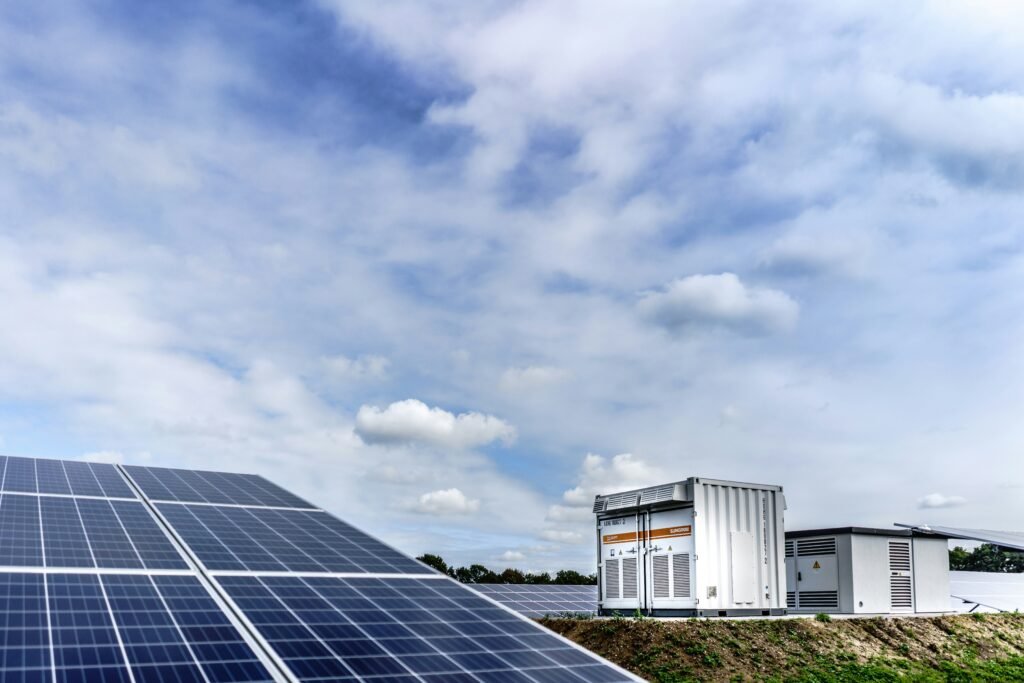
Solar street lights are outdoor systems powered by solar energy, and each contains a solar panel, a rechargeable battery, LED lights, and control systems. They collect sunlight during the day. Then, they store energy in batteries and release it at night to illuminate public areas.
Unlike traditional street lights, solar lights operate independently instead of relying on underground or overhead wiring. They’re easier to install and maintain. This keep sthem reliable in areas with unstable power supplies.
The Link Between Solar Street Lighting and Urban Safety
In smart cities, safety is proactive. Solar lighting supports this approach by improving visibility and encouraging responsible use of public spaces. With the right lighting systems, drivers see obstacles sooner, pedestrians are safer at night, and public spaces can stay active longer.
Solar street lights help cities maintain consistent lighting. Because they operate off-grid, they continue to work even when the main power fails. This consistent illumination plays a role in both everyday life and emergency systems.
How Solar Street Lights Improve Safety in Smart Cities
Illumination is critical for any city. Well-lit areas feel more open and welcoming, while darker areas feel unsafe and are often avoided. When people can clearly see their surroundings, they make better decisions.
Improved Visibility
Solar street lights use LED technology to produce bright, even light. They reduce dark spots and shadows on roads and sidewalks. This helps drivers and pedestrians stay aware of their surroundings at all times. Crosswalks, intersections, and pathways become easier to navigate, which is especially important in busy urban areas.
Lighting During Power Outages
Power outages can leave entire neighbourhoods in darkness. This may result in crime, accidents, and safety risks. This is where solar street lights come into play.
Solar street lights continue to operate during outages. Their battles store enough energy to last through the night, and some systems can provide light for several days at a time. This reliability is important during storms, natural disasters, or grid failures, because it empowers emergency services to continue serving the community.
Smart Controls and Adaptive Lighting
Modern solar street lights are smart, with motion sensors and intelligent features. Lights are turned on when movement is detected; when the area is empty, they dim to save energy.
This adaptive lighting improves safety where it matters most. High-activity areas stay well-lit, but quieter areas conserve power without going completely dark. City managers can remotely adjust settings to changing conditions and safety needs to keep areas consistently illuminated.
Solar Street Lights and Smart City Technologies
Smart cities depend on connected systems. Solar street lights fit easily into this setup. They work with cameras, traffic sensors, and emergency alert systems to create a more responsive urban environment.
Data collected from sensors can help planners identify high-risk areas and respond in real time. Safety becomes data-driven instead of reactive. For example, lighting can increase automatically during emergencies and keep civilians, workers, and emergency responders safe.
Faster Deployment in High-Risk Areas
Traditional street lighting often requires extensive groundwork, which slows deployment. Solar street lights are faster to install because they don’t require trenching or wiring. Higher-risk areas can be lit quickly with faster-deployed lighting to make your streets safer. This flexibility is valuable in rapidly growing cities.
Environmental and Economic Benefits that Support Safety
Safety isn’t just about lighting. It’s also about sustainability and long-term planning. Solar street lights reduce energy costs, so cities save money on electricity and maintenance. Those savings can be reinvested into other safety programs.
Solar lighting is environmentally beneficial as well. These lights reduce carbon emissions and improve public health. With a simple change to solar lighting systems, you’re investing in a healthier and safer community.
Challenges and Considerations
Solar lights offer many benefits to communities. However, they require careful planning. These lights rely on sunlight, so your first consideration before installation is the area’s natural sunlight availability. It also helps to check weather patterns and panel placing. Battery quality is also important for good performance.
Initial costs can be higher than traditional lights, but the long-term savings outweigh the upfront investment. Proper design and professional installation are key. When done correctly, solar street lighting performs reliably for years.
The Future of Solar Street Lighting in Smart Cities
The narrative of the future of urban lighting is smart and sustainable. As technology advances, batteries last longer, smart controls become more customizable, and lighting systems become more durable. As cities grow and the world moves toward clean, sustainable energy, solar street lights will play an increasingly important role in keeping communities safe, well-lit, and environmentally friendly.
Conclusion
The world is shifting towards clean energy. With solar lighting, cities are changing how they think about safety. These systems provide lighting at all times, even during outages and harsh weather, and support safer streets and smarter communities. As smart cities continue to evolve, solar street lighting will remain a key part of safer, cleaner, and more resilient urban living.