Your home is only as strong as the ground it sits on. And for millions of homeowners across the United States — particularly in regions with volatile soil conditions — that ground may be slowly shifting beneath their feet.
Foundation problems are among the most expensive home repairs a homeowner can face. According to HomeAdvisor, the national average for major foundation work runs between $5,000 and $12,000, with some projects exceeding $30,000. But here’s the critical part most people miss: catching the warning signs early can reduce those costs by 50% or more.
The trouble is, foundation damage doesn’t announce itself with a bang. It creeps. It whispers. And if you’re not paying attention, those whispers turn into structural nightmares. Here are seven warning signs every homeowner should know.
1. Cracks in Interior Walls — Especially Above Doorframes
Small hairline cracks in drywall aren’t unusual in a settling home. But when cracks start appearing in specific patterns — particularly diagonal cracks radiating from the corners of door and window frames — that’s a different story entirely.
These stair-step or angular cracks indicate differential settlement, meaning one part of your foundation is sinking faster than another. If you spot cracks wider than 1/8 inch, or cracks that seem to grow over weeks and months, it’s time to call in a professional for an inspection.
Pay special attention to cracks that appear on multiple floors in the same vertical line. That pattern almost always points to a structural issue below.
2. Doors and Windows That Stick or Won’t Close Properly
Remember when that bedroom door used to close smoothly? Now it drags across the carpet or won’t latch without a firm shove. Before you blame humidity or a bad hinge, consider the foundation.
When a foundation shifts, it distorts the framing of the entire house — even by fractions of an inch. Door and window frames go out of square, creating binding and gaps. If multiple doors throughout the house are suddenly misbehaving, that’s a strong signal that the problem is structural, not cosmetic.
3. Visible Gaps Between Walls and Ceiling or Floor
Walk slowly through your home and look at where walls meet ceilings and floors. Do you see gaps that weren’t there before? Is the crown molding pulling away from the ceiling? Are there separations between the baseboard and the floor?
These gaps indicate that parts of your home are literally pulling apart. In regions like Oklahoma and Texas, where expansive clay soil swells dramatically during wet seasons and contracts during droughts, this kind of movement is especially common.
4. Uneven or Sloping Floors
Grab a marble or a tennis ball. Place it on your floor in different rooms. If it rolls consistently in one direction, you may have a floor slope caused by foundation settlement.
Minor slopes (less than 1 inch over 20 feet) may be cosmetic. But anything beyond that suggests the support structure underneath — whether it’s a slab, pier and beam system, or crawl space — is compromised.
5. Exterior Brick Cracks in a Stair-Step Pattern
Step outside and examine your home’s exterior, especially if you have a brick facade. Stair-step cracks that follow the mortar joints are one of the clearest indicators of foundation movement.
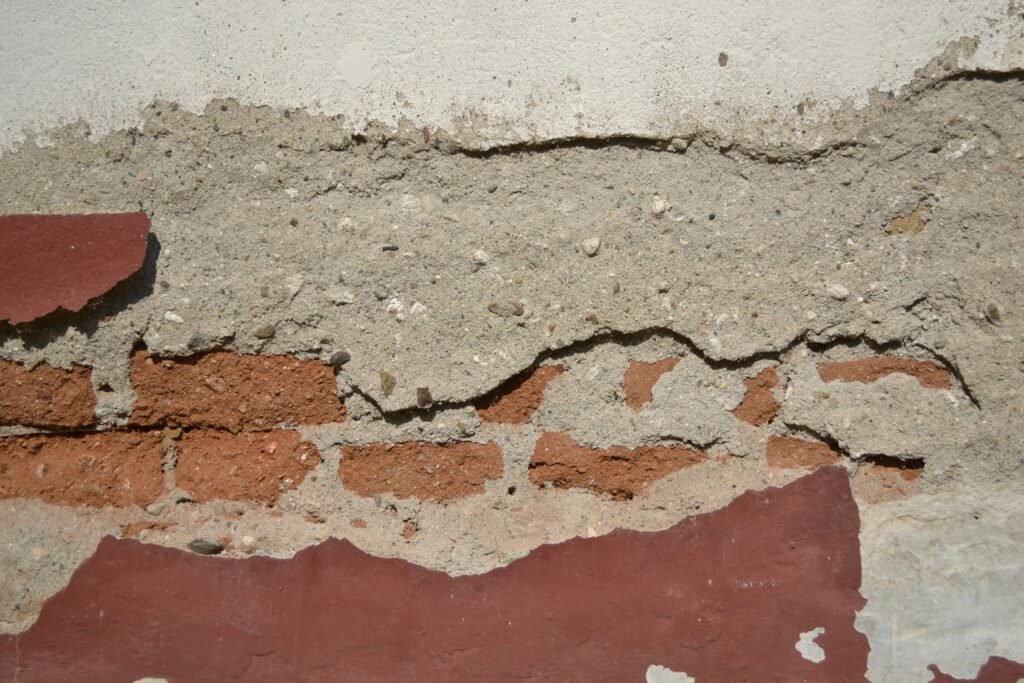
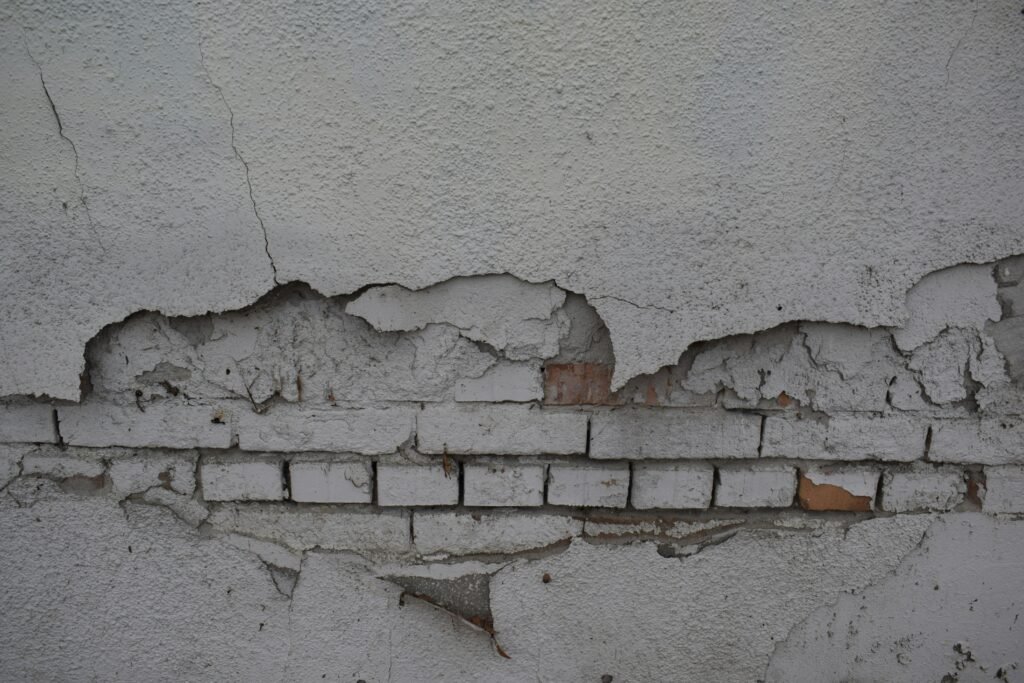
Unlike cosmetic surface cracks in stucco or paint, brick stair-step cracks mean the masonry is being forced apart by movement underneath. If you’re noticing this pattern, specialists in foundation crack repair recommend scheduling an evaluation before the damage spreads to other structural components.
6. A Chimney That’s Leaning or Separating from the House
Chimneys are heavy. They’re also often built on their own footer or foundation pad, separate from the main house foundation. This makes them one of the first structures to show signs of ground movement.
If your chimney is visibly tilting away from the house, or if you can see daylight between the chimney and the exterior wall, don’t ignore it. A leaning chimney is both a foundation warning and a safety hazard.
7. Plumbing Issues That Keep Coming Back
This one catches many homeowners off guard. Recurring plumbing problems — especially under-slab leaks, backed-up drains, or mysterious wet spots in the yard — can be caused by foundation settlement shifting or cracking buried pipes.
When the ground under your slab moves, it can put enormous pressure on drain lines. The result: cracked pipes, separated joints, and leaks that no amount of plumbing repair will permanently fix until the underlying foundation issue is addressed.
What to Do If You Spot These Signs
First, don’t panic. Not every crack means catastrophe. But don’t ignore the signs either.
The smartest move is to get a professional foundation inspection. Many reputable companies — like Level Home Foundation Repair in Tulsa, Oklahoma — offer free inspections with no obligation. A qualified inspector can tell you whether what you’re seeing is normal settling or something that needs intervention.
Prevention Is Always Cheaper Than Repair
While you can’t control the soil under your home, you can manage moisture — and moisture is the single biggest factor in foundation movement. Keep gutters clean and directed away from the foundation. Maintain consistent watering around the perimeter during dry spells. Ensure the ground slopes away from your home on all sides.
Foundation damage is one of those problems that only gets worse with time. Recognizing the warning signs today can save you tens of thousands of dollars — and a whole lot of stress — down the road.