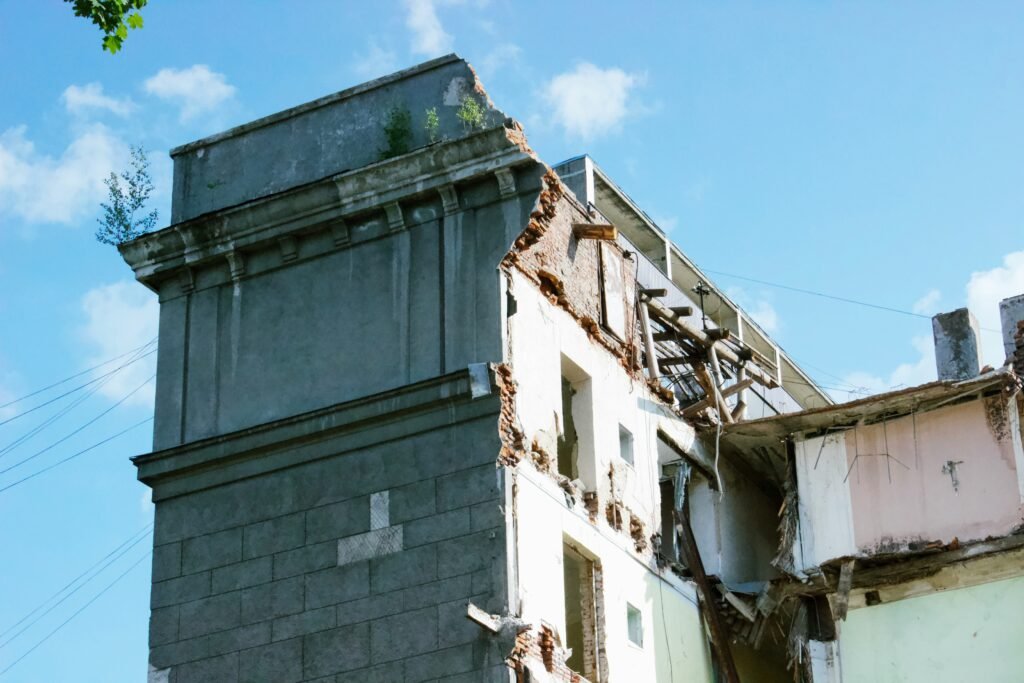
Thinking about foundation damage can be scary. Most people picture flooded basements or damp walls, along with all kinds of future problems like mold or structural damage. However, one of the most serious and costly consequences happens beneath the foundation. Water can gradually weaken the foundation, leading to cracks, instability, and long-term damage if not addressed promptly with water damage restoration.
Without proper restoration and repair, your home could be at risk of serious problems. Fortunately, by understanding the causes and signs of this type of damage, you can proactively tackle any potential issues. The sooner you notice these signs, the simpler and cheaper it will be to fix the problem.
How Water Damage Affects Your Foundation
Water is one of the most powerful forces acting on your home. Over time, even small amounts of moisture can compromise the integrity of your foundation. There are three main effects water can have on a building’s foundation:
- Hydrostatic pressure: When water builds up around a building’s foundation, it creates pressure called “hydrostatic pressure”. This can crack or bow the foundation, potentially damaging the rest of the building.
- Expansive soils: Water can harm a building’s foundation, especially when it interacts with expansive soils. Expansive soils form when soil minerals soak up water and swell. This swelling can push against the foundation, leading to cracks or shifts in the structure.
- Erosion: When water flows near or under your building, it can wash away the soil supporting the foundation. This creates a gap from the erosion, causing the building to settle or sink into it.
These don’t need to be prominent to damage your home. Even in small levels, they can cause wear and tear, which builds up to become much more serious over time.
Common Causes of Water Intrusion
Water intrusion is common in both residential and commercial environments. It’s not a cosmetic issue, either, because it often causes significant damage, deterioration, and long-term problems like mold. Whether it develops due to flooding or a leak, you need to take water damage seriously, and that starts with learning its common causes.
Poor Drainage Systems
One of the most common causes of water intrusion is inadequate drainage around the home. If your downspouts and gutters are not functioning properly, rainwater accumulates near the foundation rather than being directed away. Over time, this can lead to soil saturation and increased pressure against the foundation walls. Plus, if the ground slopes toward your home instead of away from it, water will naturally flow toward the foundation.
Heavy Rainfall or Flooding
Severe weather, such as heavy rain and flooding, can overwhelm even the most robust drainage systems. When large amounts of water accumulate around your home, the soil becomes saturated quickly, and that increases hydrostatic pressure. Flooding can also introduce water directly into basements or crawl spaces. Even if the water eventually recedes, it often leaves behind moisture that continues to affect the foundation.
Plumbing Leaks
Not all water intrusion comes from outside. Plumbing leaks inside your home can be just as damaging. A dripping pipe under your foundation or in the walls can slowly leak water over time. Since these leaks are often out of sight, they might go unnoticed for ages, which can weaken your foundation from within and even cause the soil under your house to wash away, leading to uneven settling. Addressing plumbing leaks early is essential to prevent serious damage and avoid costly foundation repair.
High Groundwater Levels
In certain areas, groundwater levels are often high, bringing water close to your foundation. During specific seasons or after heavy rain, this level can rise further, but this then increases the risk of water intrusion. The groundwater can seep through porous materials while putting extra pressure on the foundation’s exterior, and soon, it challenges the foundation’s stability.
The Risks of Ignoring Early Signs of Foundation Damage
It can be tempting to overlook small cracks or minor moisture issues, especially if they don’t seem urgent. However, delaying action can lead to much bigger problems down the line.
Escalation of Foundation Damage
A small crack can quickly become a bigger problem. Water damage is progressive, and it seeps in and further damages the structure. But as the soil shifts and pressure increases, the damage spreads. You might notice uneven floors, sticking doors, or larger cracks in the walls. At this point, you may need major foundation repair services, which can take a lot of time and money to complete.
Increased Repair Costs
Taking action early is usually cheaper than waiting. You can often fix small problems with simple repairs and basic water damage restoration. However, if you let the damage get worse, the costs will increase a lot. Big cracks, structural shifts, and serious moisture problems require more complex solutions, like foundation strengthening or new drainage system installation, and if you wait too long, the cost significantly increases.
Safety Hazards for Occupants
A damaged foundation is not just about cost; it can also be dangerous. If the structure is unstable, it may put everyone inside at risk. You might see cracks in the walls, uneven floors, and in severe cases, parts of the building could become weak. Moisture problems can also cause unhealthy conditions inside, like mold and musty smells, and these can pose many other threats.
Tips for Protecting Your Home Against Foundation Damage
Preventing water intrusion is much easier than repairing the damage it causes. With the right steps, you can protect your home and reduce the need for both water damage restoration and foundation repair.
Regular Inspections
One of the simplest ways to protect your foundation is by inspecting your home regularly. Look for signs like cracks in walls or floors, damp spots, or water pooling near the foundation. Pay attention to changes over time as well; a small crack that grows larger or a damp area that doesn’t dry out could indicate a bigger issue.
Proper Drainage Solutions
Good drainage is important to keep water away from your foundation. First, check that your gutters and downspouts are clean and working well. Make sure downspouts direct water at least a few feet from your home. Also, look at the slope of your yard—it should slope away from the foundation, not toward it. If needed, you can look into adding drainage solutions, like French drains or extensions, to help the water flow.
Addressing Plumbing Issues
Don’t overlook the importance of maintaining your plumbing system. If you spot a leak, fix it right away, even if it looks small. Regularly check for signs of hidden leaks, such as unexplained moisture or water stains. However, if you’re ever unsure, it’s best to have it inspected by a professional. Quick action can prevent water from spreading and causing damage to your foundation, and that means you’re keeping your home safer and in better shape.
Conclusion
Water can seep into your home quietly, but it can seriously damage your foundation. Even small cracks can lead to bigger problems if you don’t fix them. That’s why it’s important to recognize the early signs of water damage. By knowing how water affects your foundations and understanding common causes, you can take steps to protect your home. The sooner you address water issues, the better you can keep your home safe, stable, and valuable.